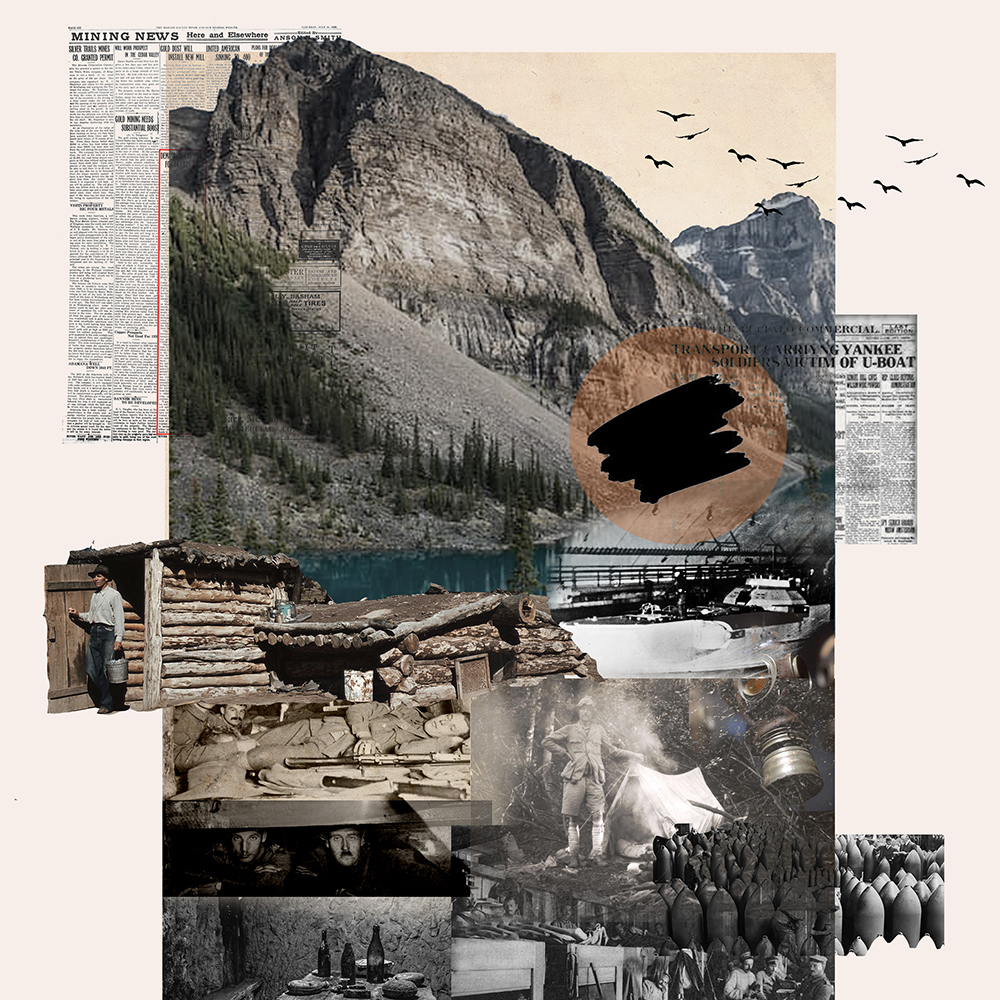
A BREIF HISTORY OF ARCANUM ISLAND
The earliest reporting of Arcanum Island dates back to 1918 on the tail end of WWI when it was discovered by a British Empire ship that had been separated from the fleet during a storm. It was said that upon its discovery the islands landscape looked as if “a unknow force had dropped objects across the terrain.” This phenomenon and associated objects on the island have been assigned multiple names by researcher and historians alike; however, they are most commonly referred to as the “The Drop”.
Arcanum Island is currently classified as a deserted island since no know inhabitants have been found. Since its discovery the island has been a sought-after location for all types of research. Wladimir Köppen and Rudolf Geiger, who frequented the island a multitude of times from 1922 – 1927, have classified it as one of the most climate diverse areas in the world because it is home to all six climate zones. The island’s climate diversity and arduous terrain have made it impossible to fully document it even with today’s advanced technology. Currently the island is home to a diverse ecosystem of plants and animals as well as a plethora of research facilities scattered across the landscape intent on studying the objects.
The origins of “The Drop” are still ambiguous even though the island has been a subject of research for over 100 years. It is highly debated if “The Drop” was a singular event or a series that may still be ongoing. What we do know is that the landscape of the island is full of structures, relics, and objects connected to “The Drop.” Some seem to stand unblemished by the island’s harsh landscape while others have become reclaimed by nature. Each time a new object is discovered it is recorded and logged using the unique code linked to the climate region it is located in. With each new discovered object, a research lab is uniquely constructed. The lab’s purpose is to study the characteristics and composition of the object(s) while hypothesize their intent. These research facilities have undoubtedly become as ubiquitous as the object of which they study dotting the landscape composing a chronical matching the fate of the objects themselves.
 studio ambiguous
Leave a comment