A BREIF HISTORY OF ARCANUM ISLAND
The earliest reporting of Arcanum Island dates back to 1918 on the tail end of WWI when it was discovered by a British Empire ship that had been separated from the fleet during a storm. It was said that upon its discovery the islands landscape looked as if “a unknow force had dropped objects across the terrain.” This phenomenon and associated objects on the island have been assigned multiple names by researcher and historians alike; however, they are most commonly referred to as the “The Drop”.
Arcanum Island is currently classified as a deserted island since no know inhabitants have been found. Since its discovery the island has been a sought-after location for all types of research. Wladimir Köppen and Rudolf Geiger, who frequented the island a multitude of times from 1922 – 1927, have classified it as one of the most climate diverse areas in the world because it is home to all six climate zones. The island’s climate diversity and arduous terrain have made it impossible to fully document it even with today’s advanced technology. Currently the island is home to a diverse ecosystem of plants and animals as well as a plethora of research facilities scattered across the landscape intent on studying the objects.
The origins of “The Drop” are still ambiguous even though the island has been a subject of research for over 100 years. It is highly debated if “The Drop” was a singular event or a series that may still be ongoing. What we do know is that the landscape of the island is full of structures, relics, and objects connected to “The Drop.” Some seem to stand unblemished by the island’s harsh landscape while others have become reclaimed by nature. Each time a new object is discovered it is recorded and logged using the unique code linked to the climate region it is located in. With each new discovered object, a research lab is uniquely constructed. The lab’s purpose is to study the characteristics and composition of the object(s) while hypothesize their intent. These research facilities have undoubtedly become as ubiquitous as the object of which they study dotting the landscape composing a chronical matching the fate of the objects themselves.
All work is by students.
Instructors: Adam Wiese and Nate Gieselman
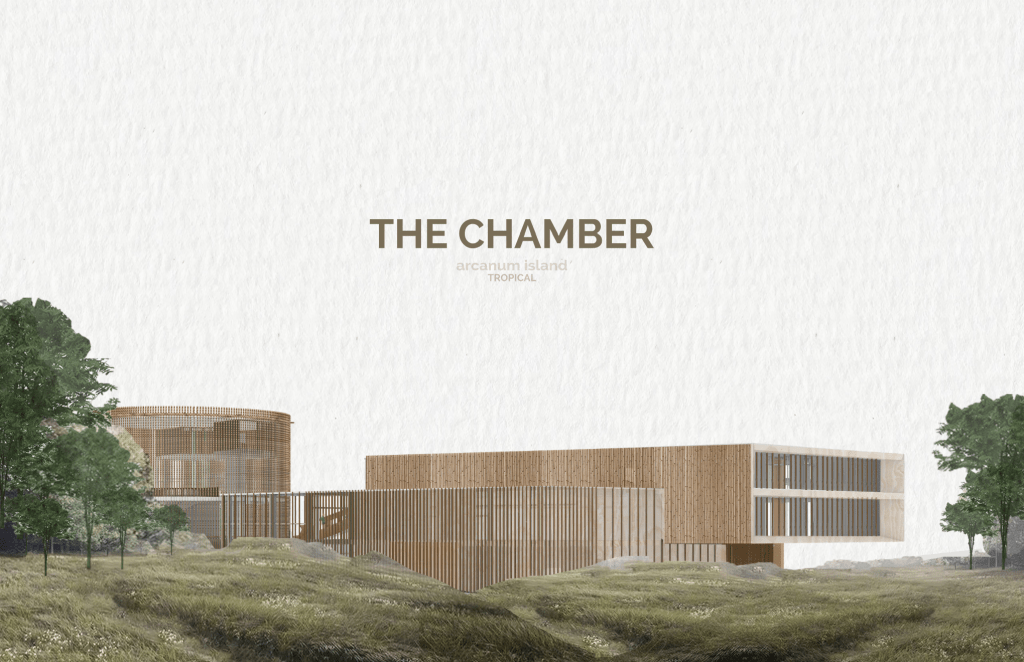
The Chamber
Teia Kilian, Isaac Alvarado, Emily Lorius, Gabe Logan
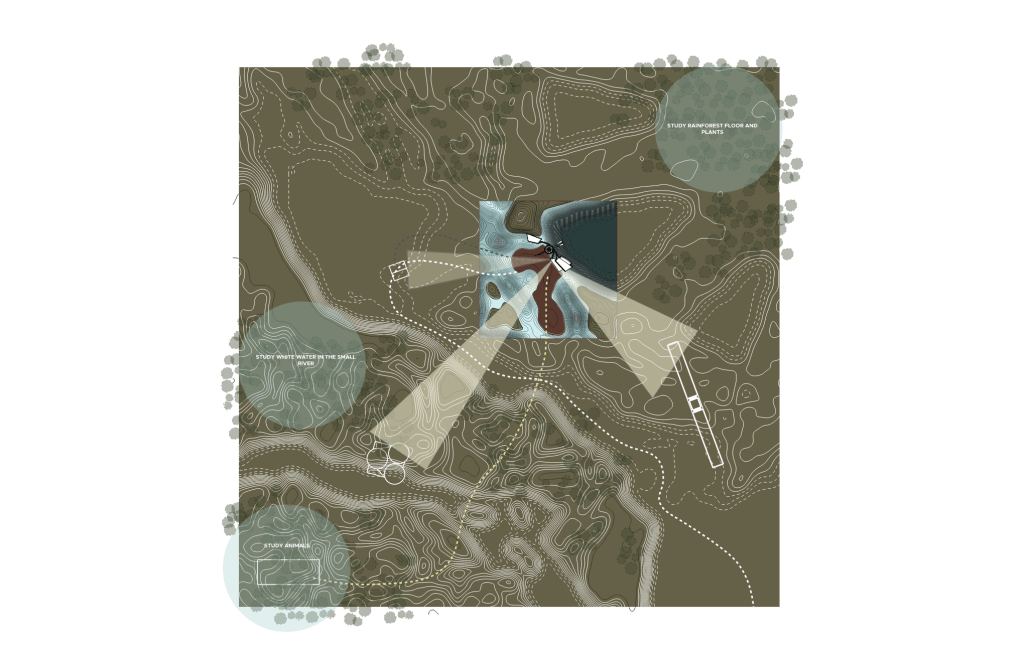
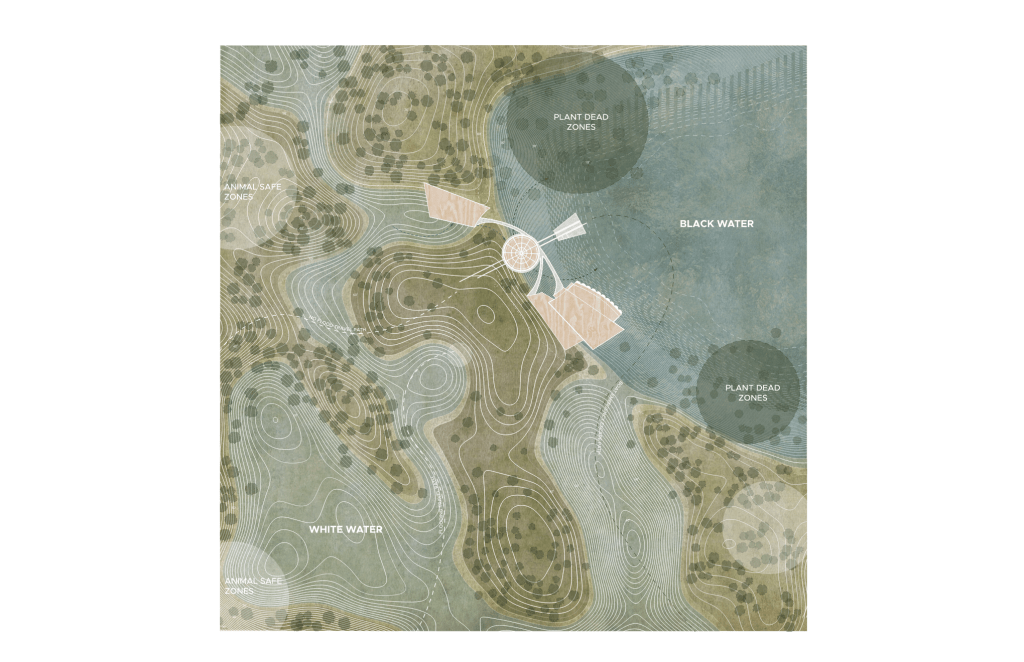
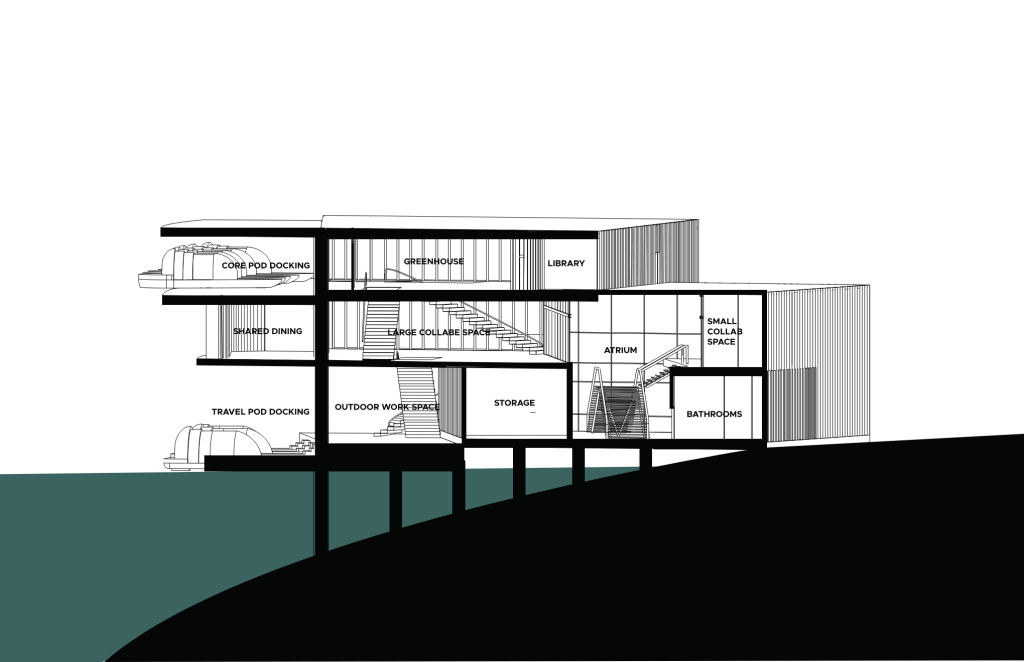
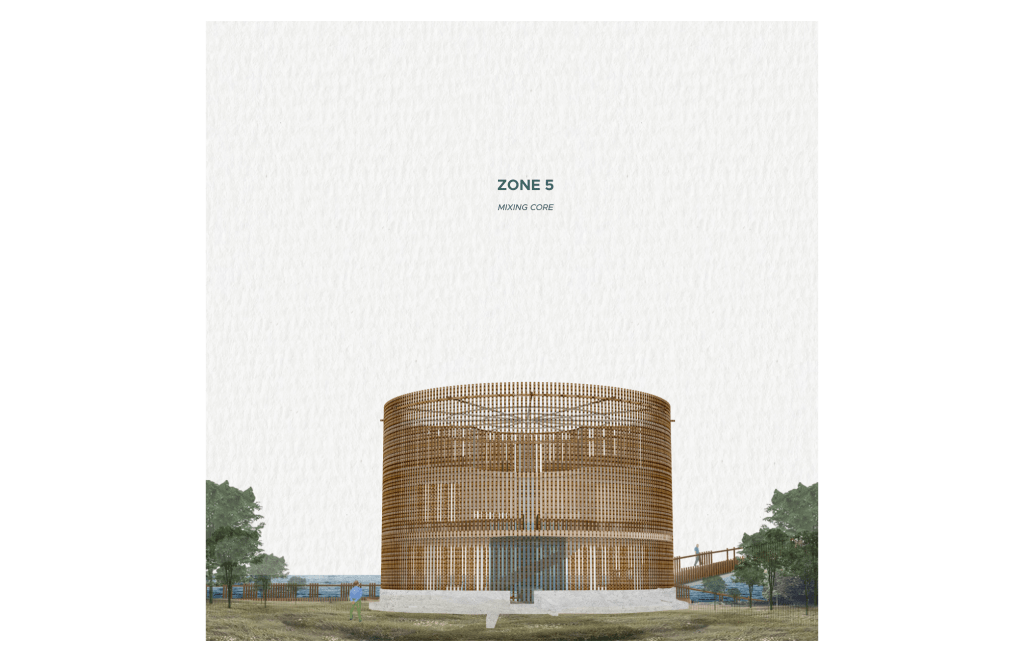
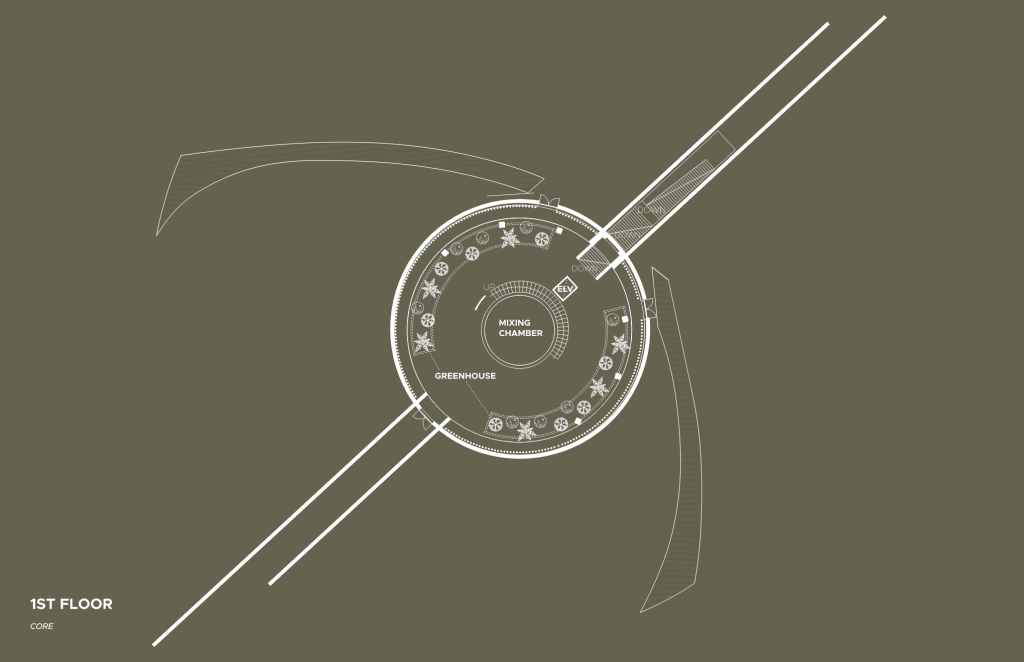
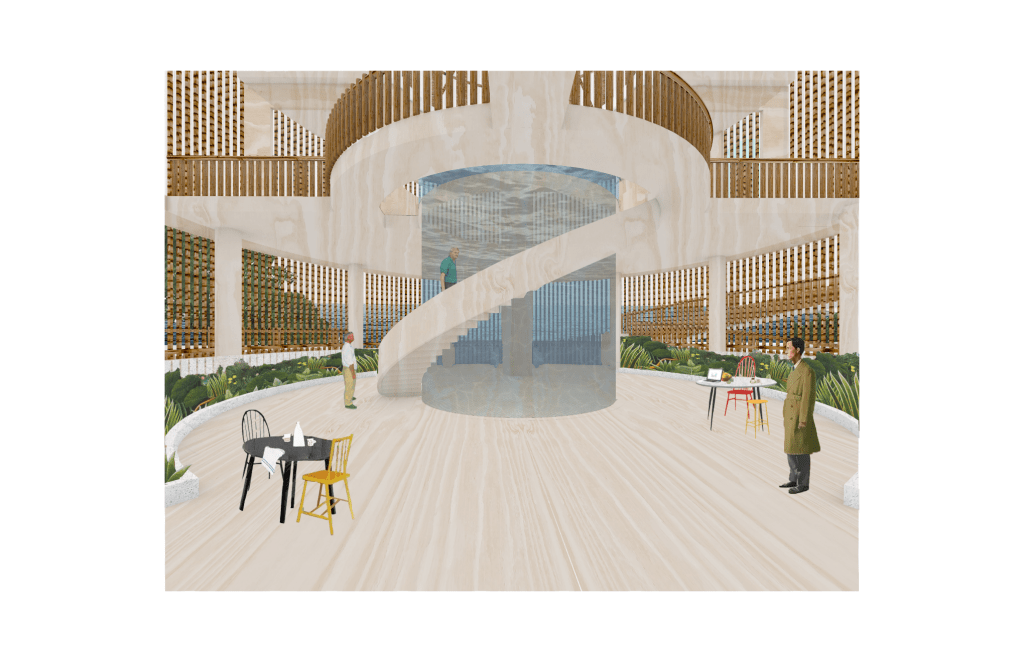
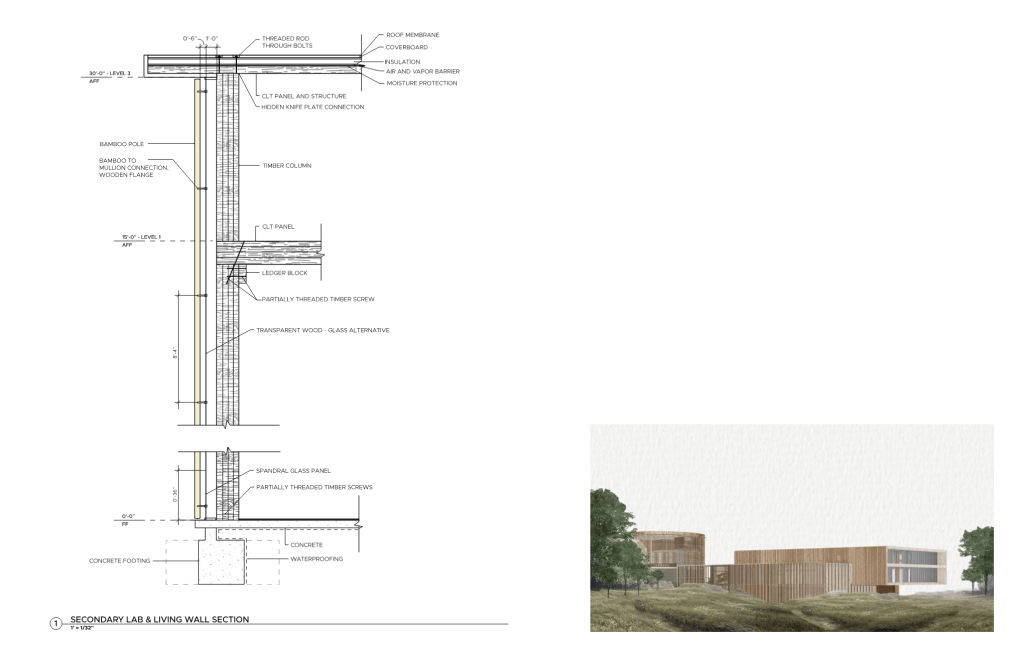
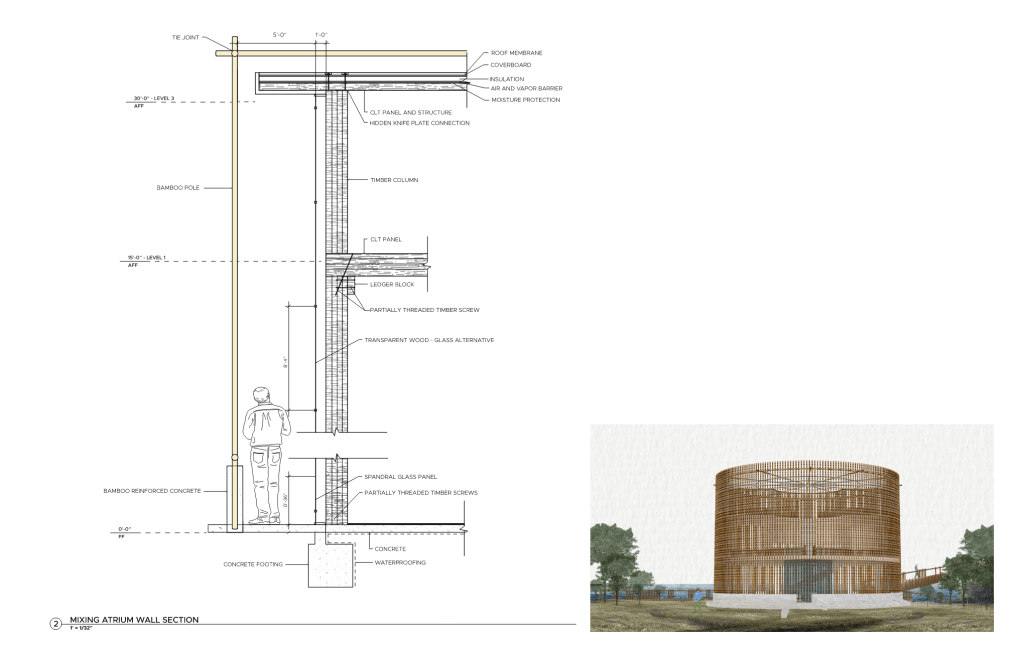
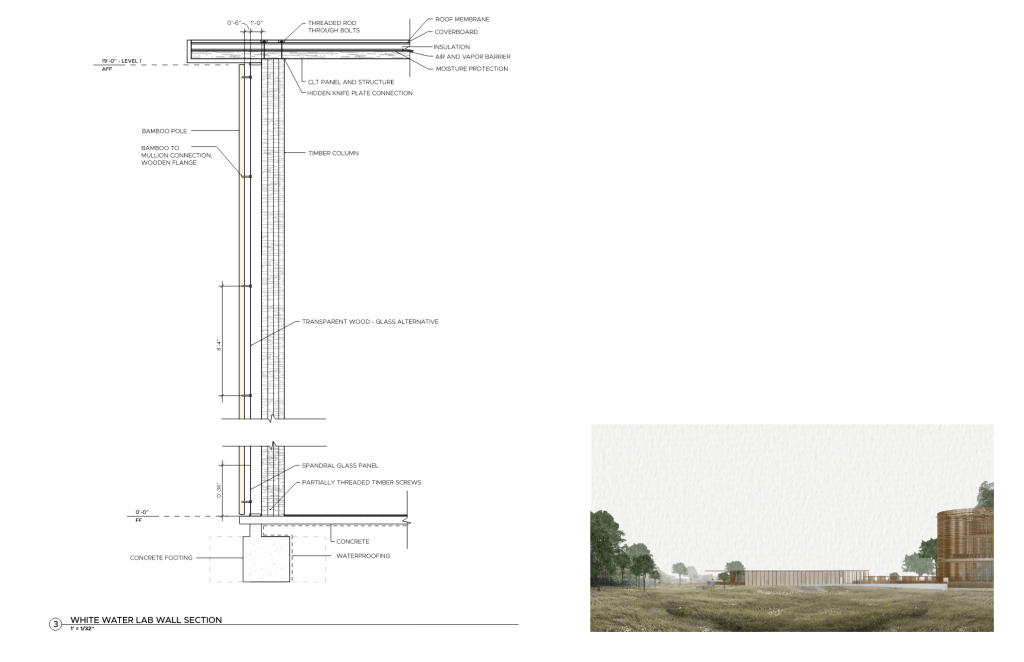
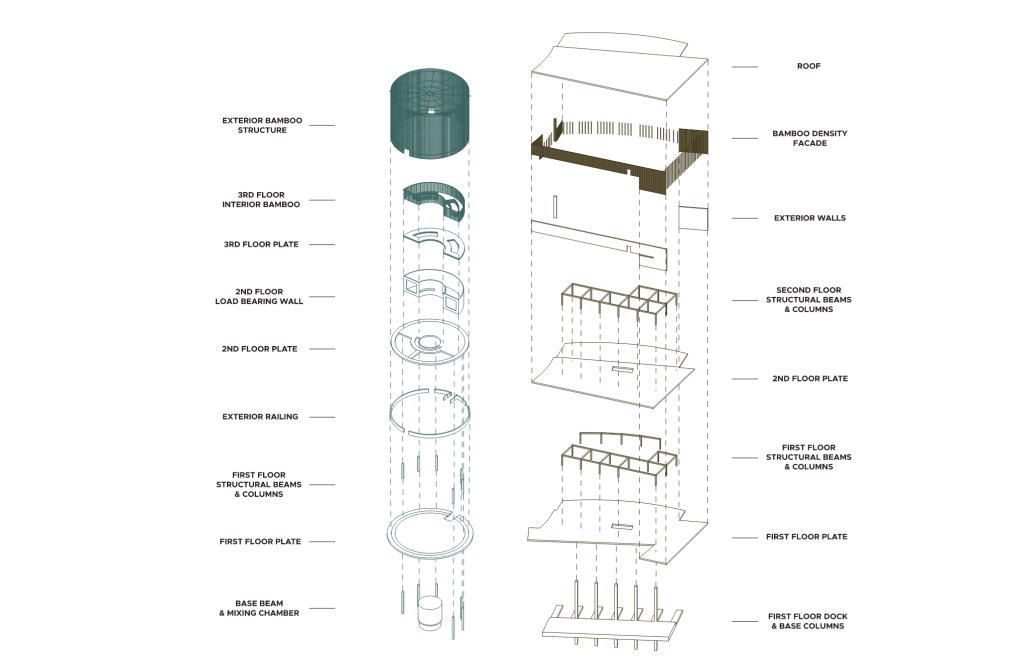
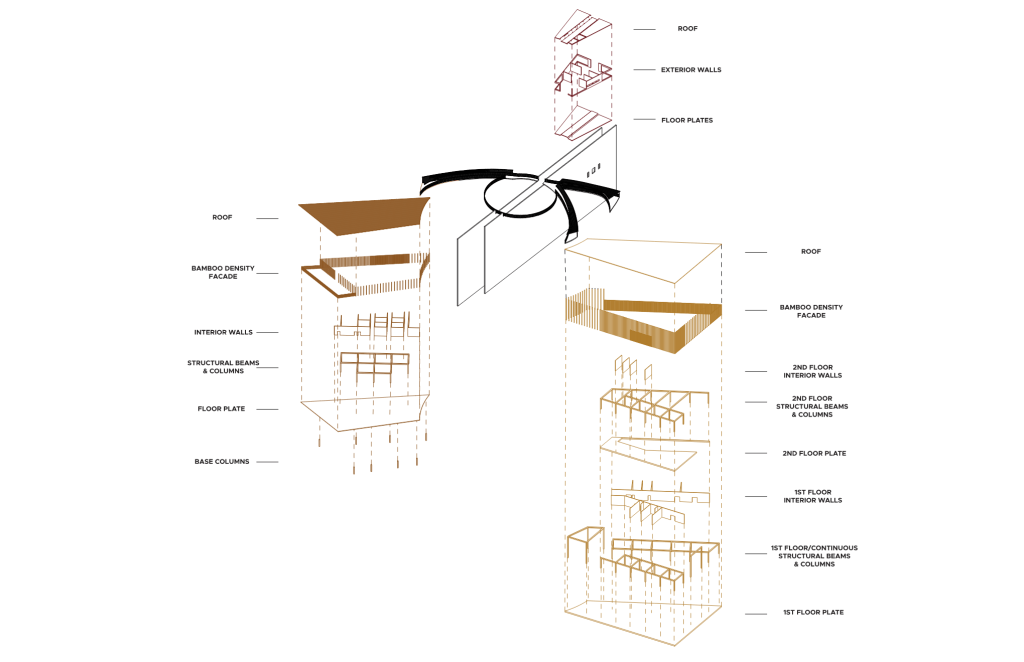
In the year of 2022, a group of researchers were looking into the effects of mixing black and white water. After reading an article about an explosion on arcanum island, they discovered this island was also home to white and black water. After some deeper digging, they discovered evidence of a previous group that went missing trying to research the water. With this, they decided to venture to the island for themselves. After their journey around the island, they came to us with a request for a semi-permanent research facility. Our team worked to find a location and design suitable for gathering and studying black and white water while showcasing the site’s unique elements.



Sailing
In order to learn more about black and white water, the researchers embarked on an adventure to find the rainforest by coming in on a river that cuts directly through the site.
The Objects (Dock, Fish, Tower)
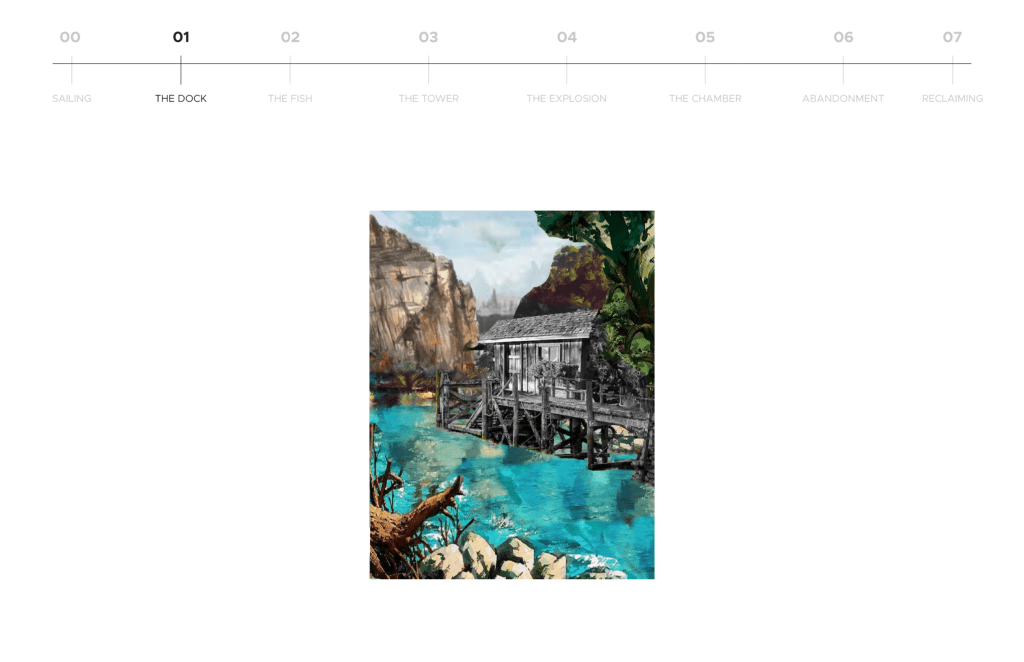
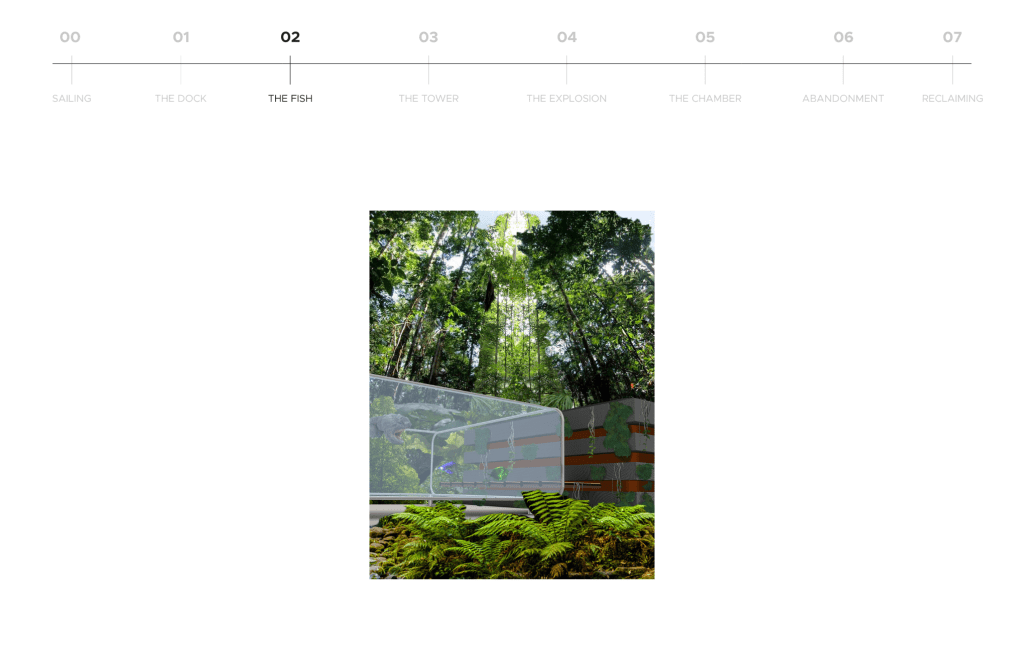
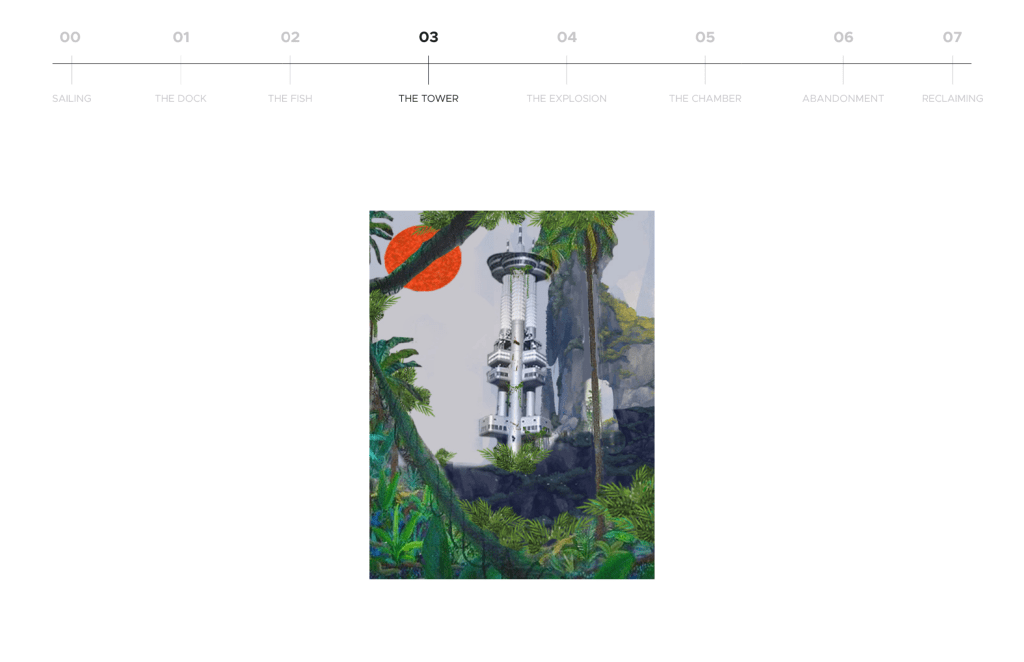
They found a dock in a lake area that they stopped at assuming that the previous researchers started here. They found an eerie, long, abandoned structure overhanging the river that was full of pipes. they assumed this was used for the original mixing of black and white water as it smelled ferocious and featured glowing fish. From the Fish Object, they could spot a tall tower on top of a hill and ventured up to investigate it more.
The Explosion
Finally, they found a scorched area that was in disarray. They guessed this was the site of a previous explosion on the island.
This group decided that going to this island to further their research would be helpful, and they requested we design a water research facility. Our team worked to find a location suitable for mixing the water in a controlled environment, gather water efficiently, while still allowing for a unique experience with the site.








ABANDONMENT
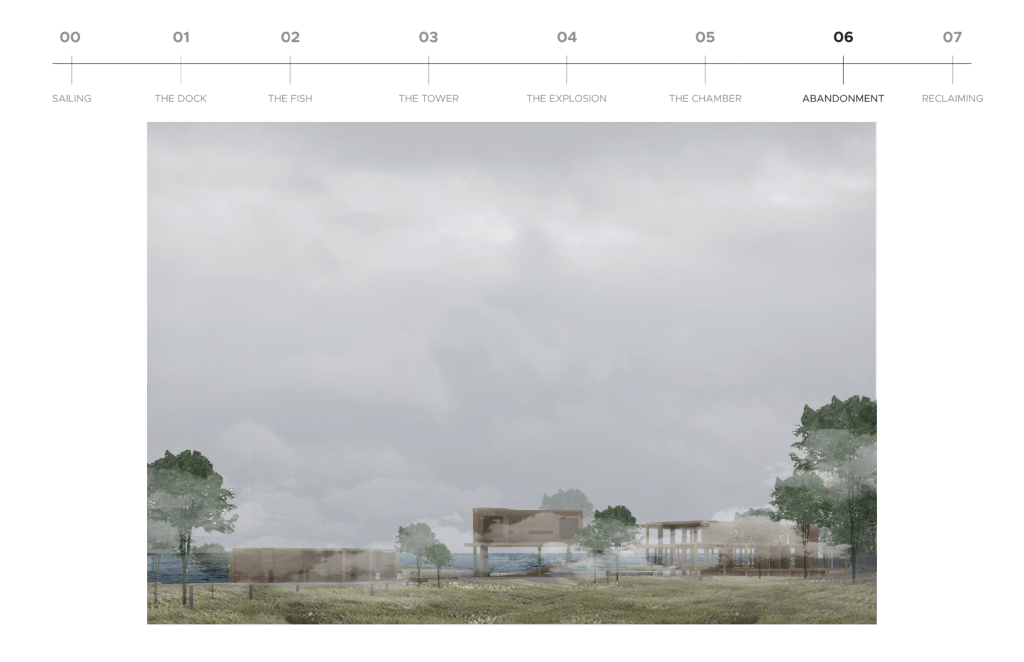
In about 10 years, the research at arcanum island will be complete. At this point, the researchers will abandon the building to allow it to first blend back into nature. For this, they’ll remove their equipment and head back home leaving the chamber behind.
RECLAIMING
Once abandoned, the building will have the opportunity to be reclaimed by nature. The bamboo shell and CLT will eventually reconnect with the soil. The concrete elements can be inhabited by animals and the water can start to overtake the shelter.
The Arcanum Island (Toxic Research Facility)
Cameron Fields, Sara Lee, Anna Miles, Matt Pearson




OPERATION CREEK RIDGE COMMUNICATION
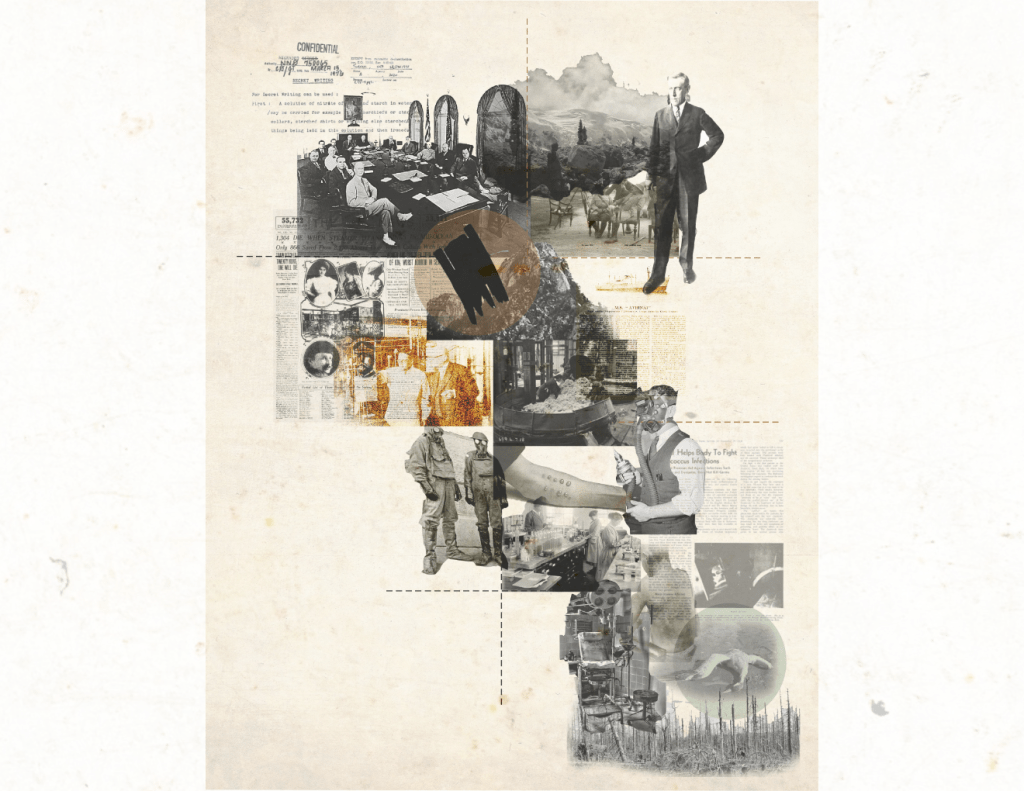
Bulletin 2015-04 Appendix B of the Federal Records Management Bureau states that all files are to remain in CLASSIFIED NOTATION until the public is ready or Automatic declassification comes into effect. Automatic declassification of the information is based upon the occurrence of a specific date or event as determined by the original classification authority, or the expiration of a minimum time frame for the duration of classification established under the Order (99 years) Files FROM OPERATION CREEK RIDGE are approaching this deadline.
The following excerpts are pivotal communication logs, monthly updates, and reports from OPERATION CREEK RIDGE that would become problematic in the public eye if released under the Automatic Declassification Clause
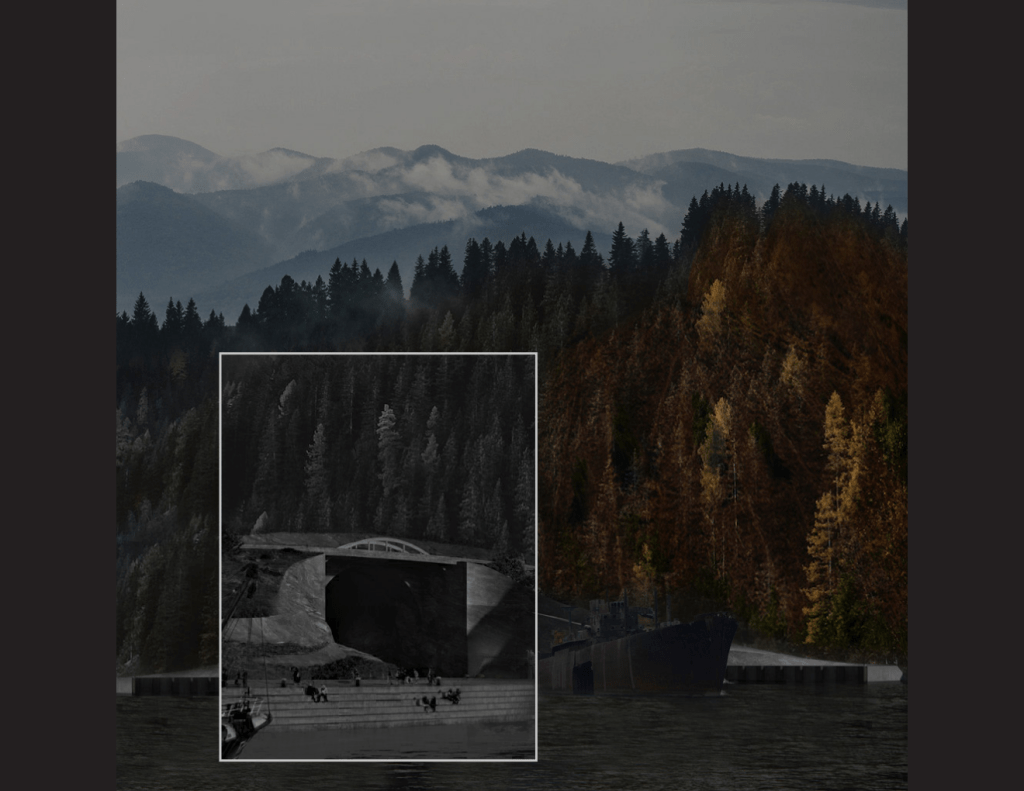
A river flows lazily through the forest. The area is alive with the sound of life; the rushing of water, the chirping of birds, the rustling of leaves, and the padding of deer’s feet through the trees. Now, however, the sound of cargo ships and shouting crews have become increasingly more common. The end of the war has brought an increase in demand for more consumer goods and with that a need to transport these goods quickly. The river is the quickest solution to get goods through the mountainous terrain of this area. So now, the serenity of nature is mixed with the bustle of ships up and down the river.
OPERATION CREEK RIDGE COMMUNICATION– Nov. 17, 1919
Post war efforts on scientific development of _REDACTED_ is progressing. tests are to be done in the following months at site _REDACTED_. Latitude: _REDACTED_ Longitude: _REDACTED_
As demand and spending only grow, the need to get goods through this area at a faster pace grows as well. The river is an easy mode of transport, but because it takes a natural course through the landscape, it is not the most efficient. It was concluded that the fastest way to get goods from one side of the mountain to the other would be a canal tunneling through the middle of the mountain.
OPERATION CREEK RIDGE REPORT– Jan. 3, 1920
Infrastructure for _REDACTED_ is complete.
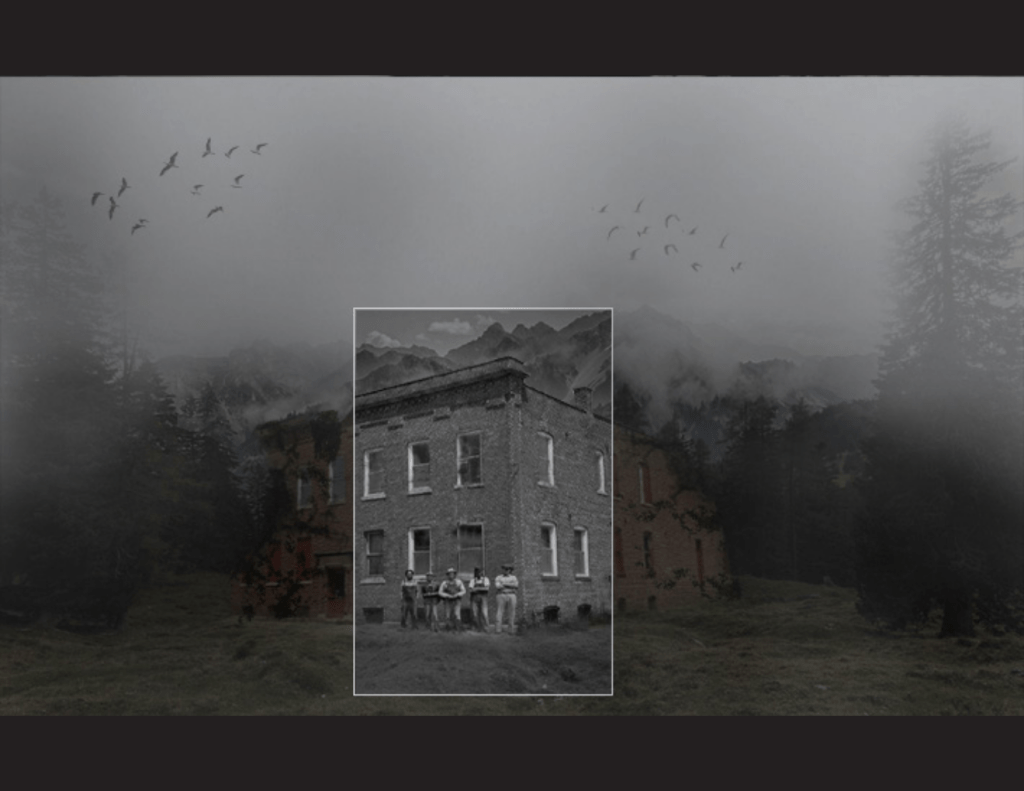
“Structure for Communications” “Structure for Things” “Structure for Ships” “Structure for People”
(L Clearance Level) See Operations Committee for more information.
Cover story: Stevenson drilling company has finished setting up their operations on a remote island in the pacific. Stevenson Drilling co had released information to the public on November, 24th of their plan to bring the industrial revolution to this island. Said to create over 700 jobs. applications are still open.
News outlets have received this announcement and are processing it to the public.
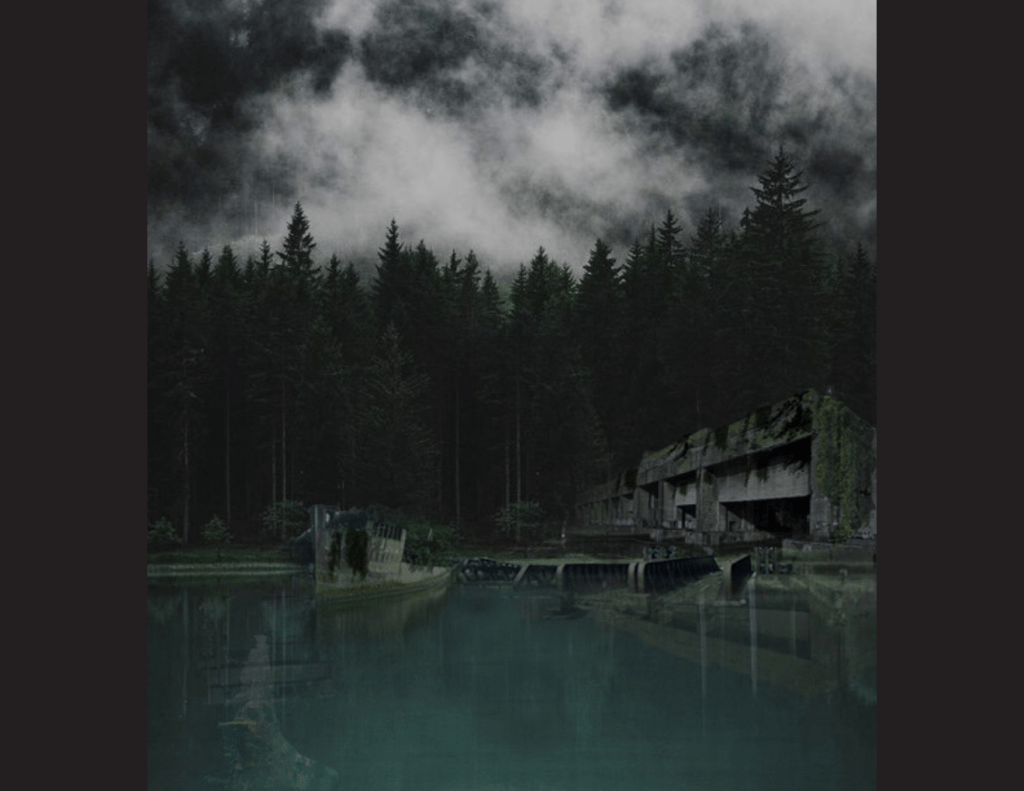
Construction was begun in earnest to tunnel through the mountainside. Along with the canal itself, 4 other structures were constructed as well: a shelter for people, a shelter for things, a shelter for ships, and a shelter for communication. The shelter for people appears like a large military barrack, clearly meant to house people. While the green forest is a welcoming home for its wildlife, this structure appears quite inhospitable and not at all home-like. The shelter for things appears like a large industrial warehouse. The shelter for ships looks like a dock constructed in the time period; signs of a similar dock on the opposite shore are present, but this one has crumbled and collapsed into the river, where most of it has been washed away.
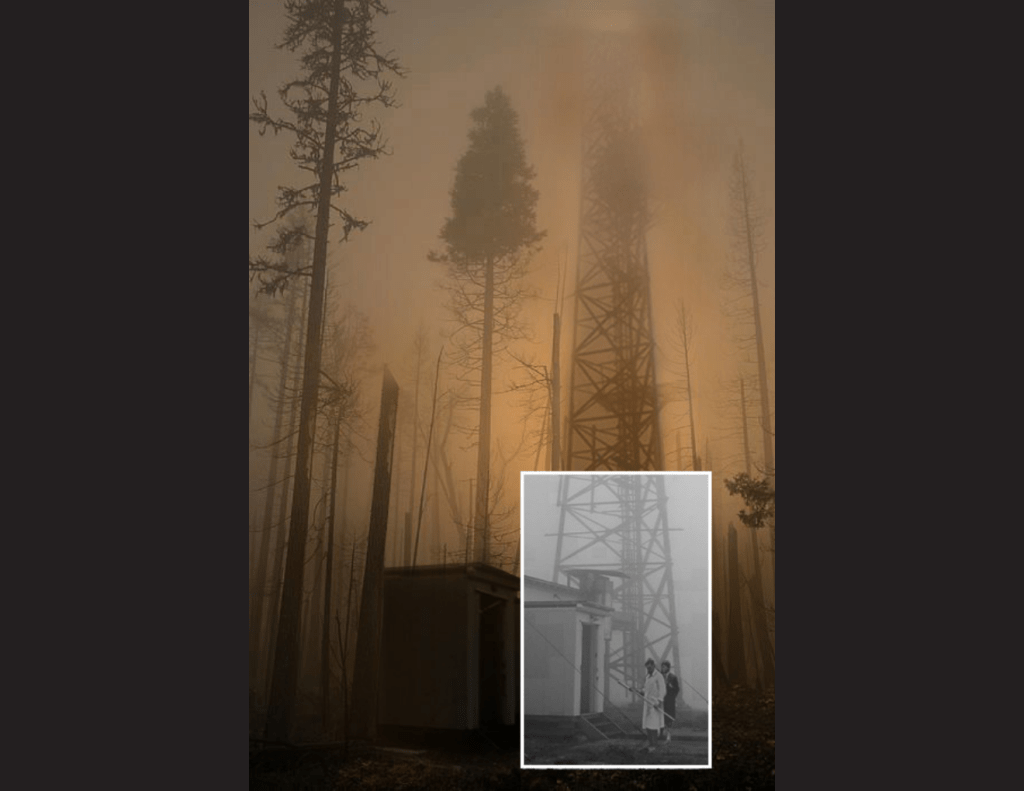
The shelter for communications is the most intriguing structure, appearing like some sort of radio tower but covered in some sort of reflective material.
OPERATION CREEK RIDGE COMMUNICATION– Apr. 13, 1928
Scientists within “Structure for Communications” are reporting side effects when working in the facility for an extended period. Higher PPE requirements are mandated to limit exposure. Tests and studies of _REDACTED_ are continuing at predetermined schedule.
The canal was highly utilized for several years, but with the start of the depression in 1929, demand dropped off considerably. The once bustling canal route now only saw one to two ships a day. One day, the landscape was disrupted by a new sound, louder than ever before. An explosion rocked the mountainside and send the canal collapsing in on itself.
OPERATION CREEK RIDGE MONTHLY REPORT– May. 1, 1929
Scientists continue to report side effects as stated in previous entries. No known source, cure, or containment. Facility is showing rapid decay. Necessary repairs are being carried out daily. no known correlation or known cause. Site testing is at top priority _REDACTED_ development has halted as required facility services are damaged. Operations Committee considering termination of Operation Creek Ridge
(L Clearance Level) See Operations Committee for more information
Almost overnight, all the surrounding structures were abandoned. Things returned to the way they were with the only life evident being the wildlife that continued their lives as normal. Except the quiet now seemed almost eerie, as if you could feel the weight of sudden absence.
OPERATION CREEK RIDGE REPORT– May 16, 1929
Containment efforts of unknown toxin within “Structure for Communications” has had no success. Efforts on OPERATION CREEK RIDGE and site _REDACTED_ are to be terminated for safety of staff and security of the nation. All drilling operations are to disband immediately with “soil toxin” being discovered within the core of the mountain. The tunnel will be collapsed in a controlled manner as an act to “contain the toxin”. Research facilities will be dismantled, ahead of time and transported downriver out to sea, other facilities will be left on the island.
Obviously, questions quickly arose around the explosion. It was revealed the blow-up was intentional – the operators of the canal stated concerns over ground toxin spreading from inside the mountain. While the exact source or characteristics of the pollution were unknown, it was clear that something in the soil was causing the forest to quickly deteriorate. Wanting to hopefully contain the spread, and with the lack of demand for the canal no longer justifying its operation, collapsing the canal seemed the smartest move. The public applauded the scientists for their quick thinking and the matter was forgotten about.
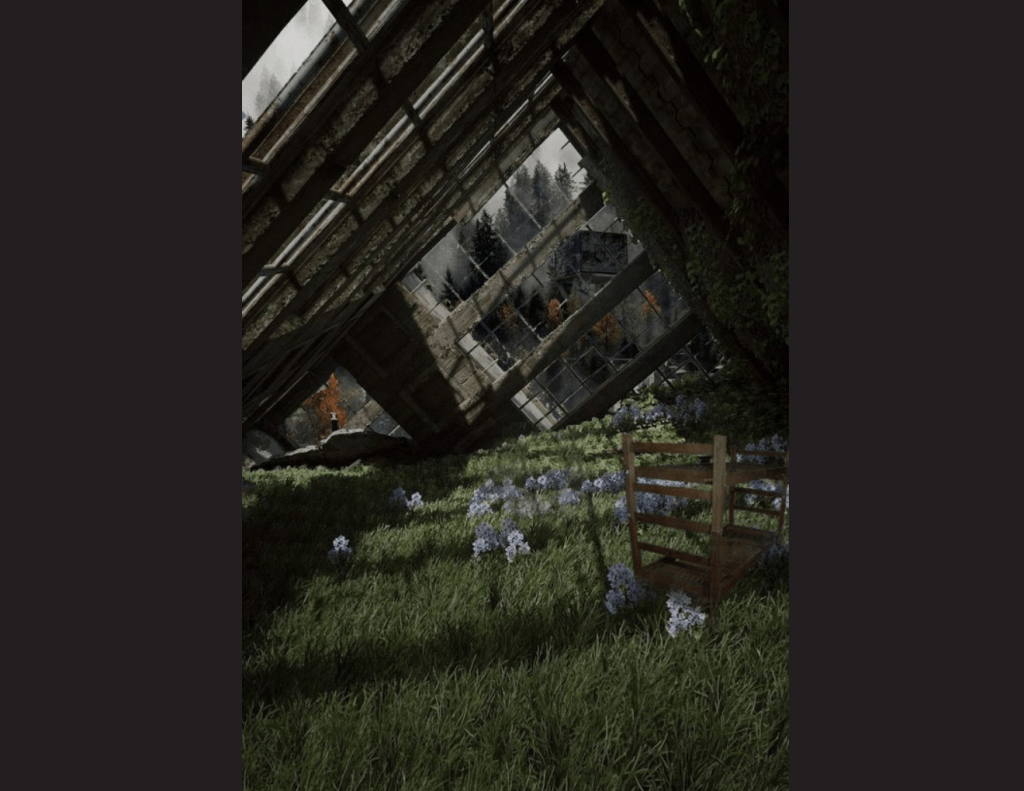
But the toxin, like a slowly moving monster, had seeping and spreading through the soil. Almost 100 years later, a small band of researchers returned to the area to a shocking site. The forest near the canal showed clear signs of deterioration, it was devoid of all animal life, and the once thriving ecosystem was clearly… sick. Researchers began at once to study the toxin in hopes of gaining clarity and a way to somehow contain it. With relatively no leads to go off of, the scientists turned to the four buildings as a starting point for their search. What they found was shocking: the toxin was radiating from a clear central point: underneath the communications center, where they found what was clearly an abandoned laboratory.
Here at the arcanum island toxic research labs, it is our goal to save the environment from our ancestor’s actions. In the early 1900s, this island was used as a top-secret government research base that has had lasting effects on the environment. Leaving the ecosystem in a state of dismay. When our team of researchers first entered the site life ceased to exist. Over time we have studied and learned much about the toxin through our state-of-the-art facility and will continue to make progress until this toxin is treated.
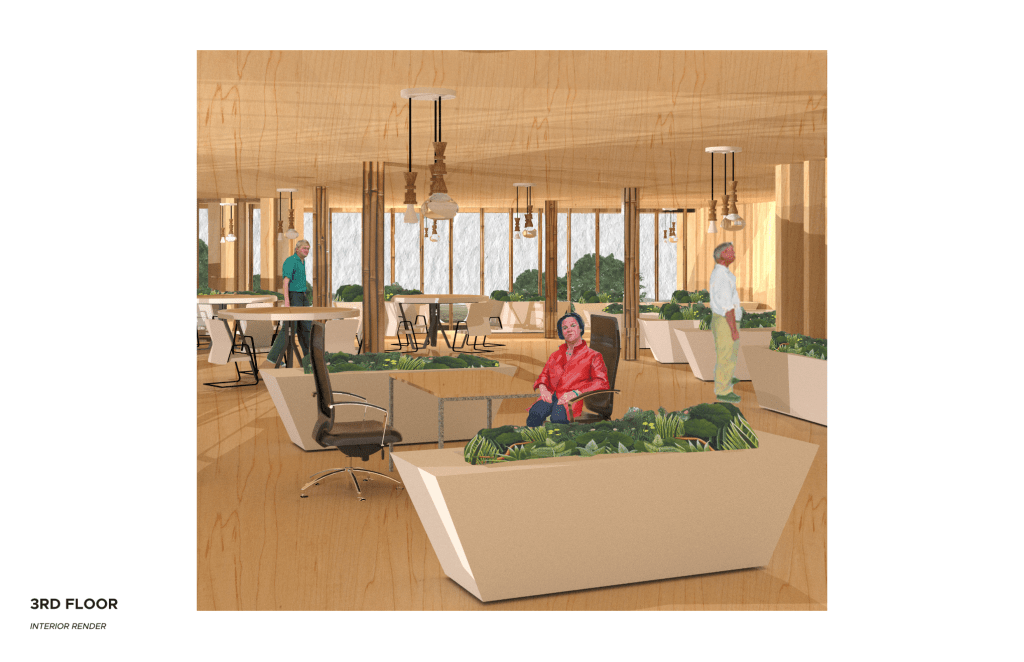
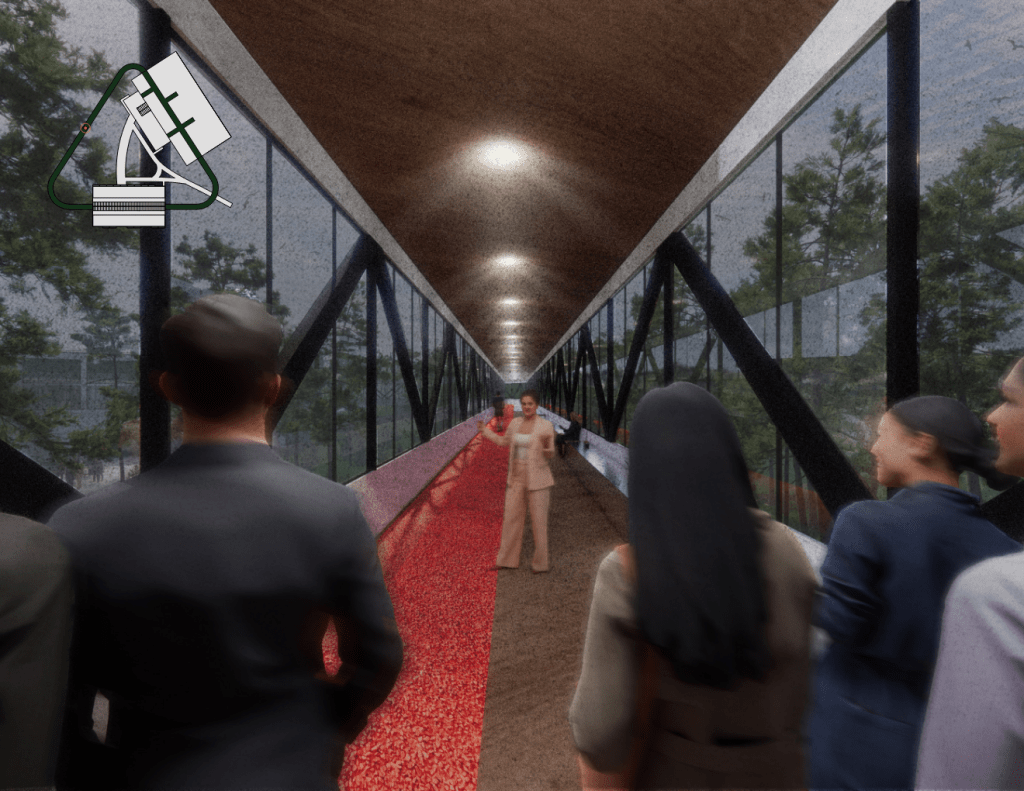
The two parts of the research facility were separated to prioritize the mental health and work-life balance of the researchers. Splitting the program allows researchers to physically and mental distance themselves from work while in their living areas. They skywalk takes the researchers on a decompressive walk through the forest on their way home from work. It also allows people to view the research in the glass box without having to worry about contamination. While the facility is located out of the zone contaminated by the toxin, it is necessary for researchers to gather samples from the area. And underground train allows researchers to quickly travel into the heart of the contaminated zone, and transport samples back into the glass box for study.
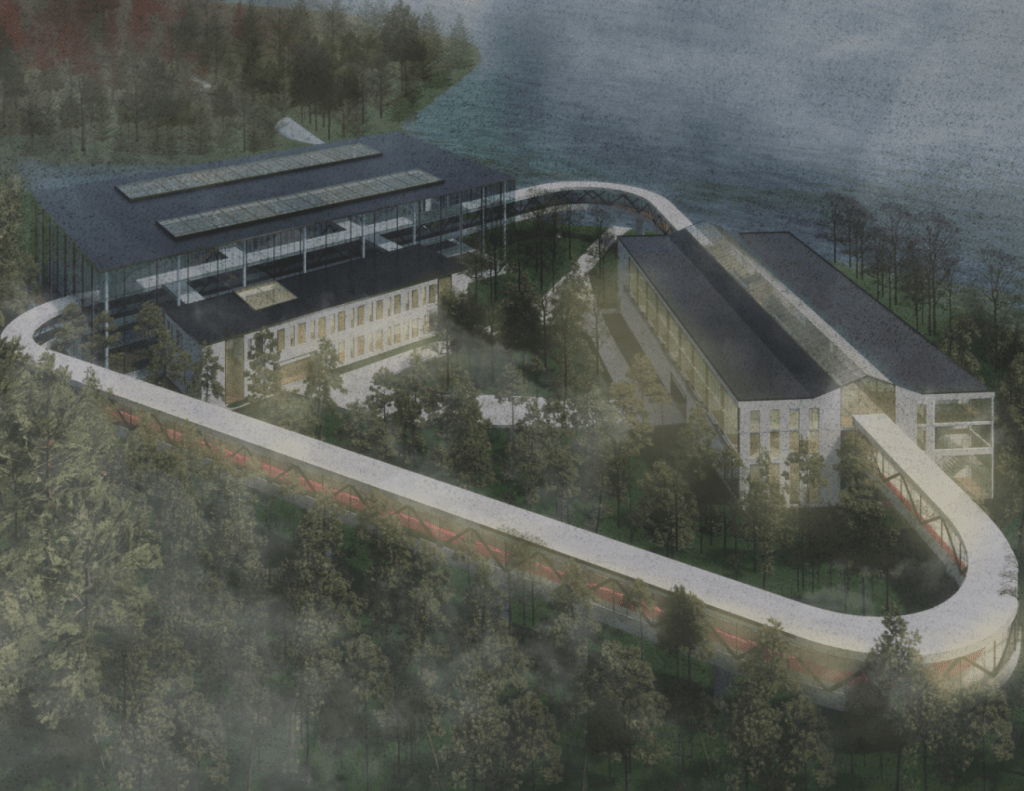
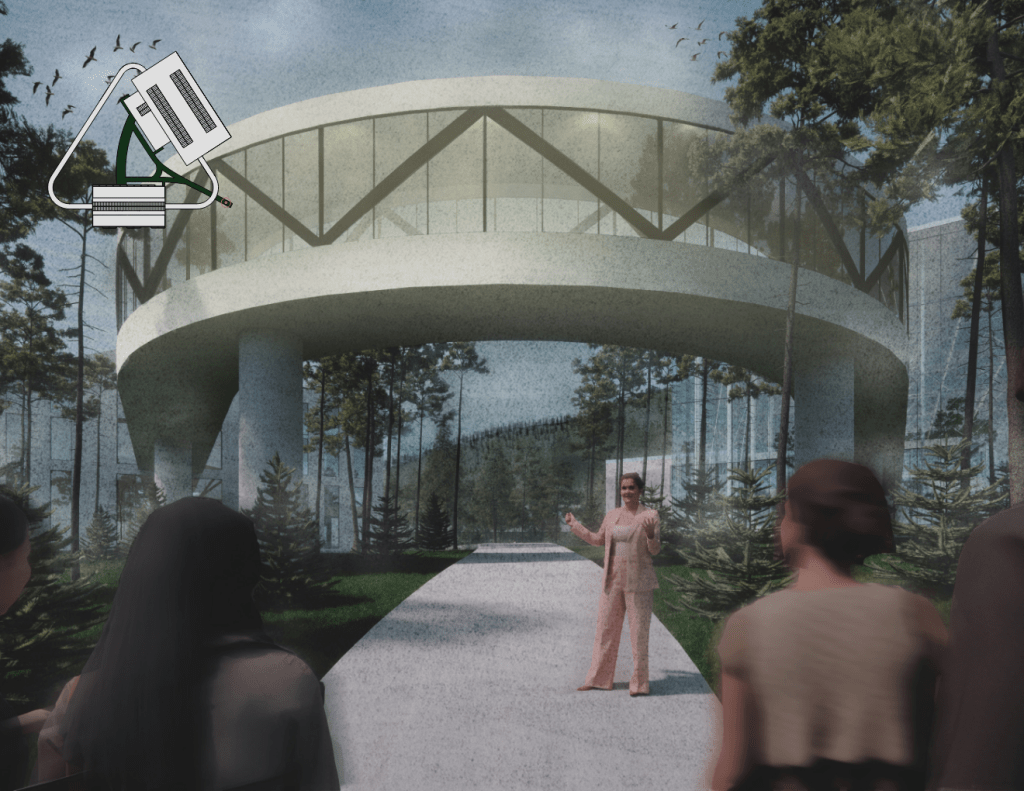
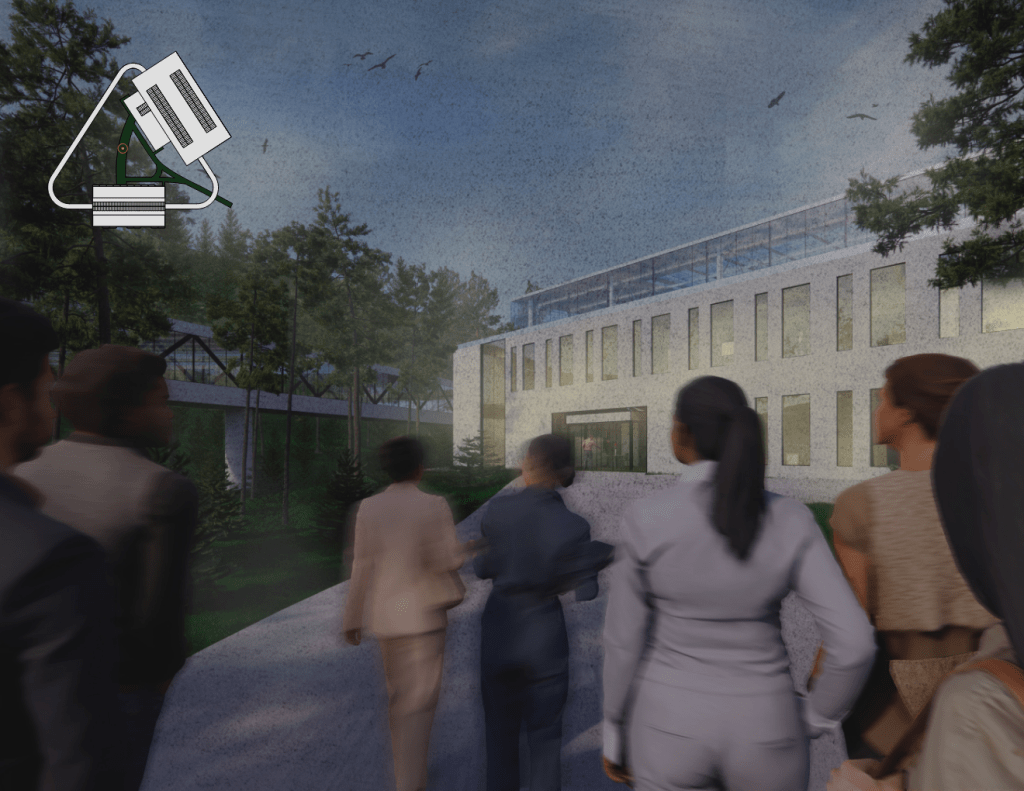
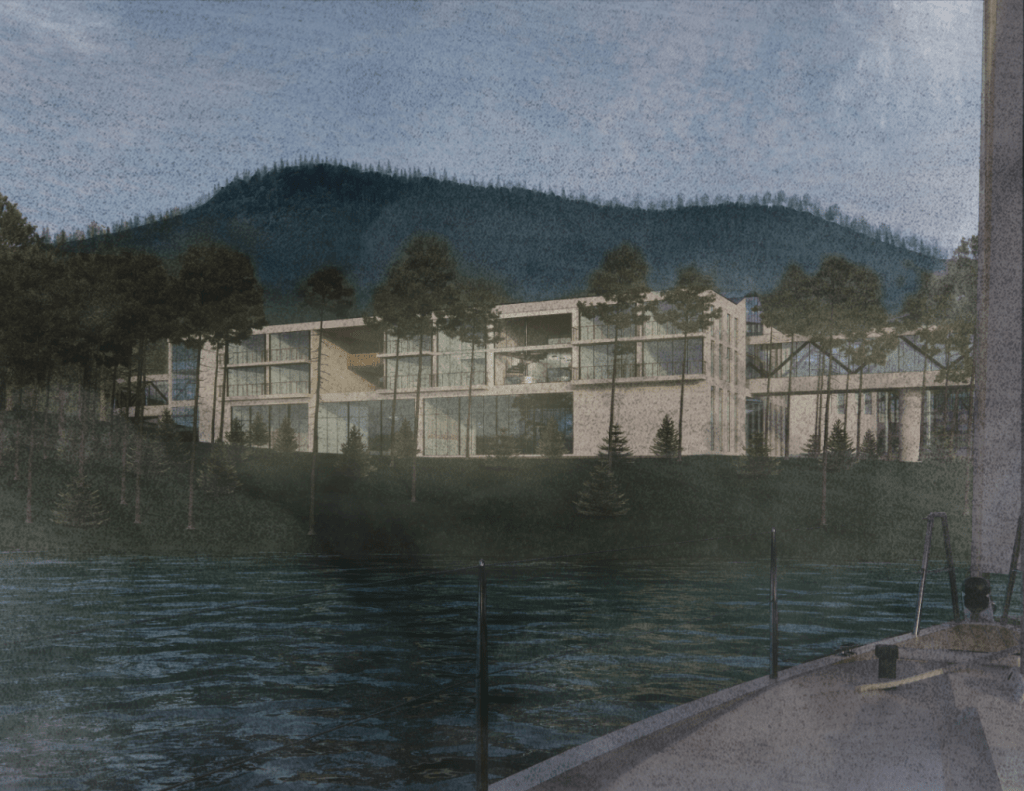

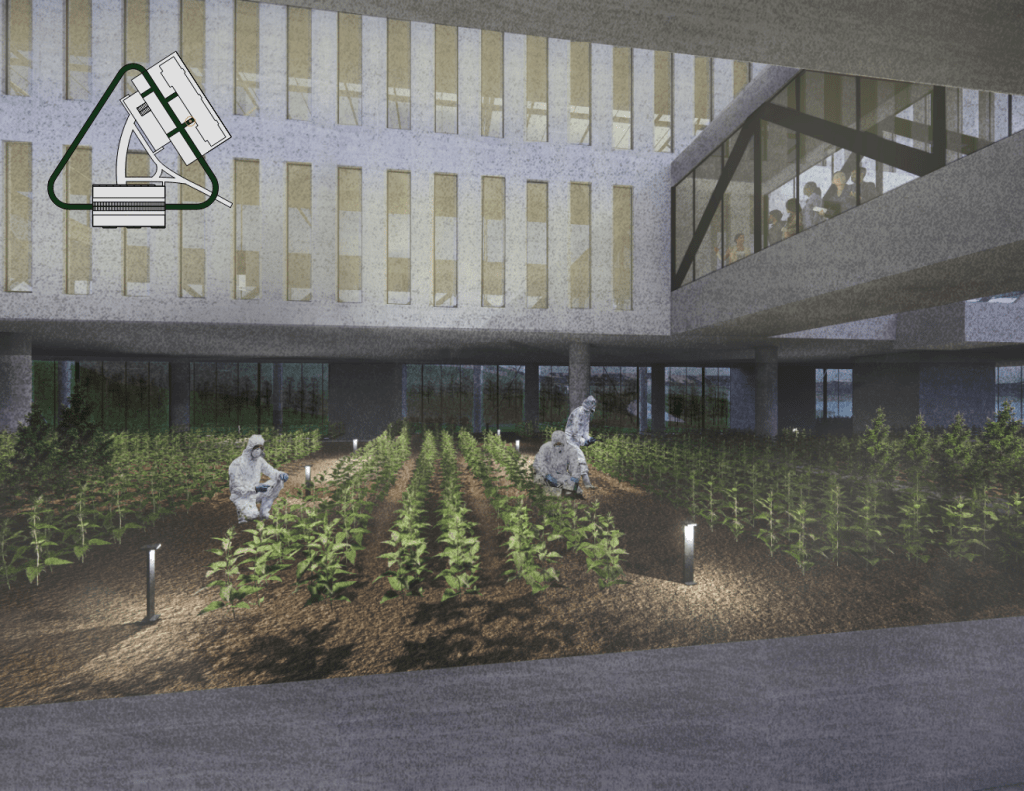
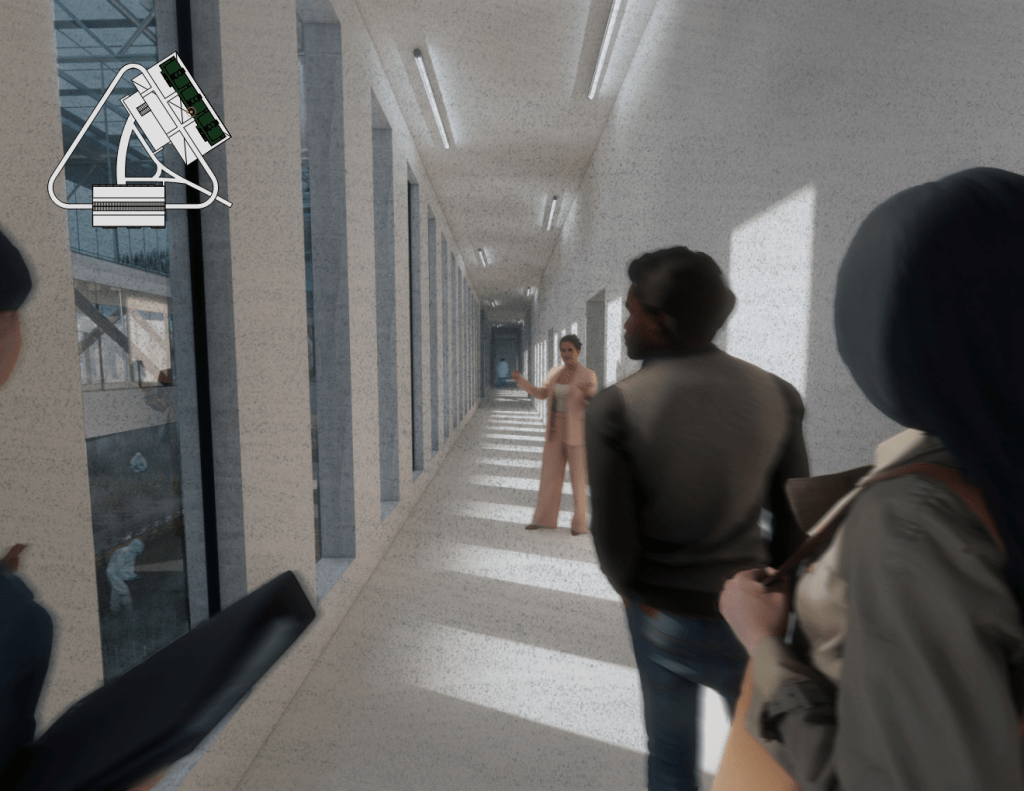
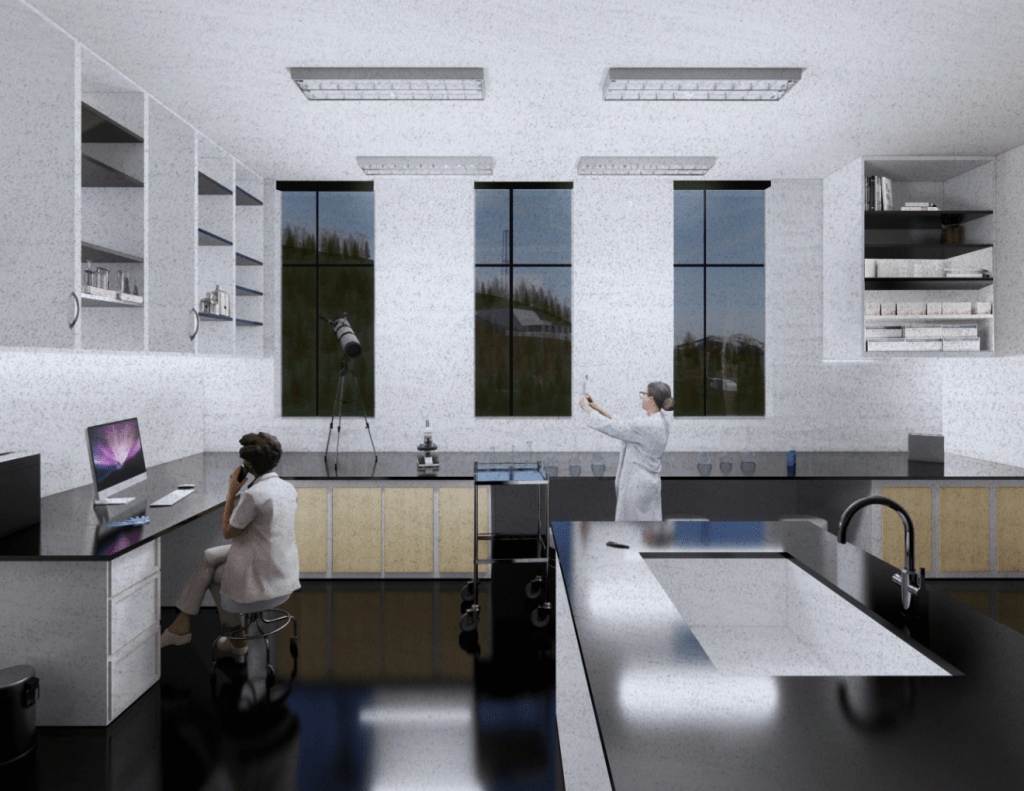

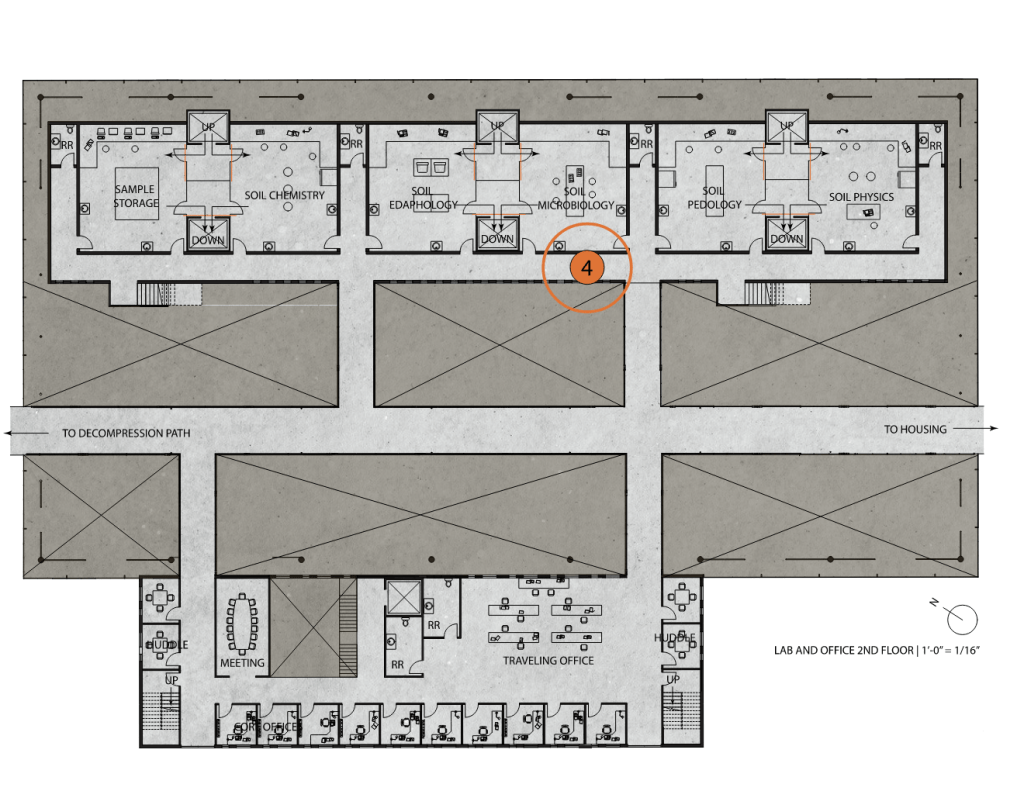
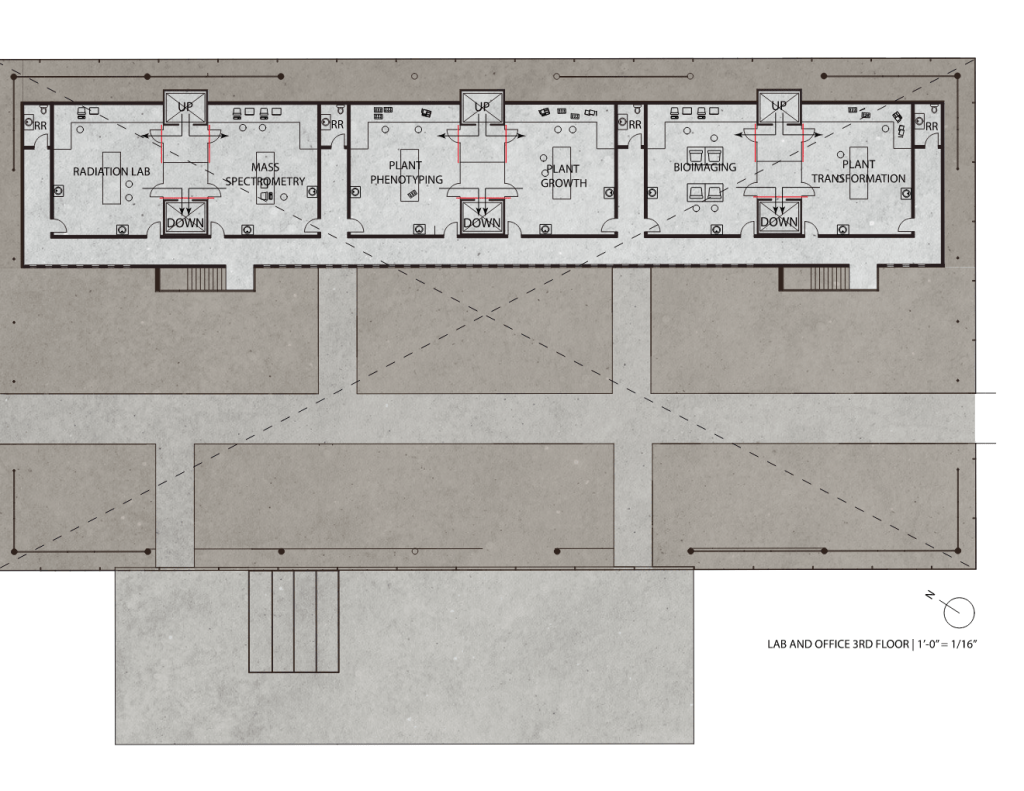
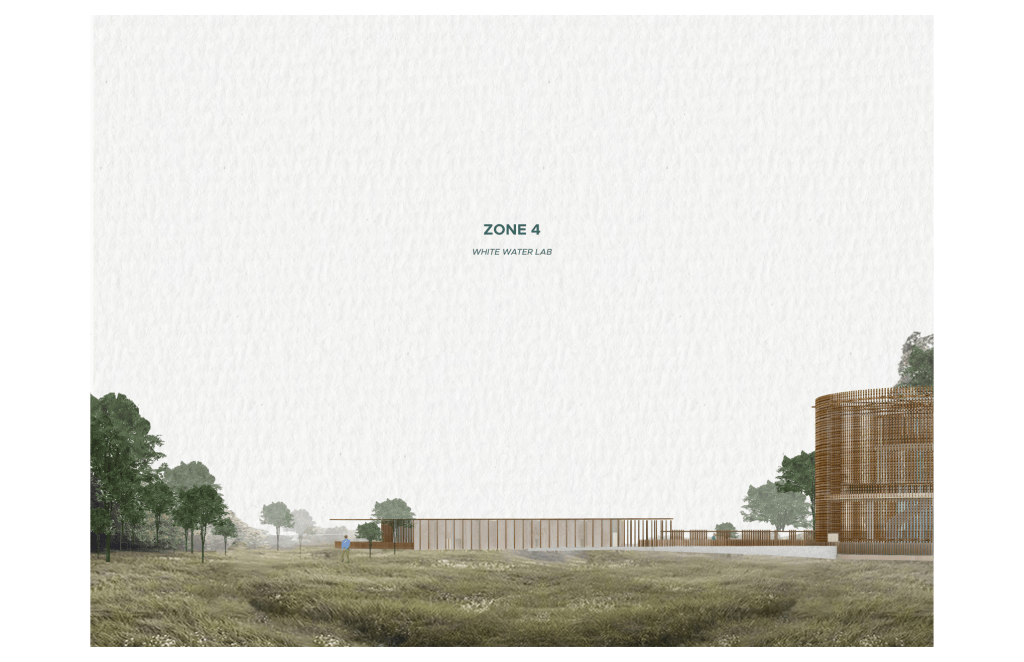
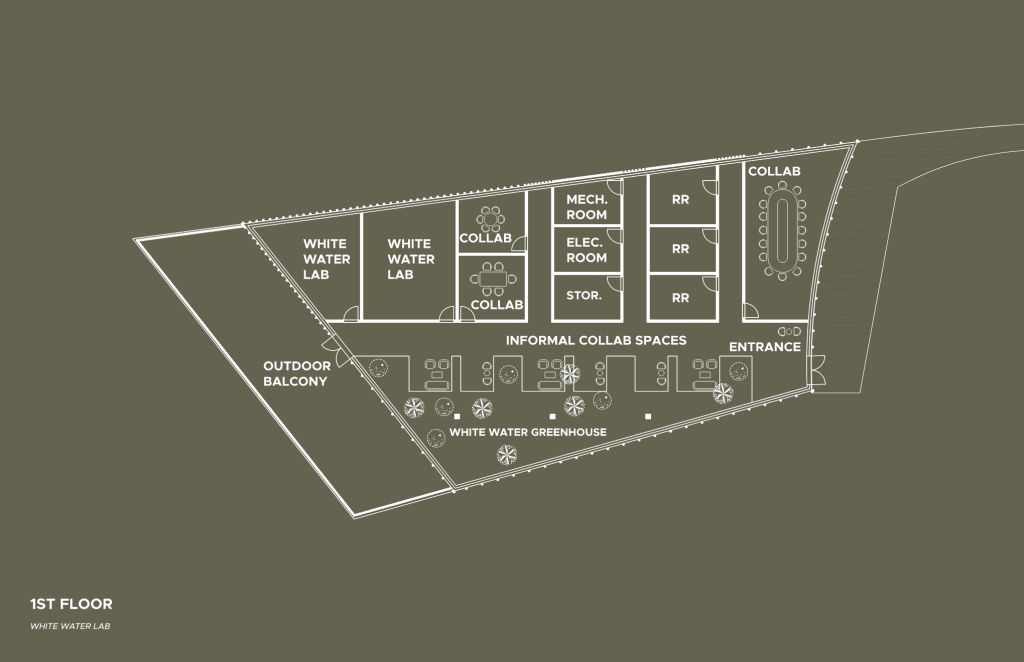
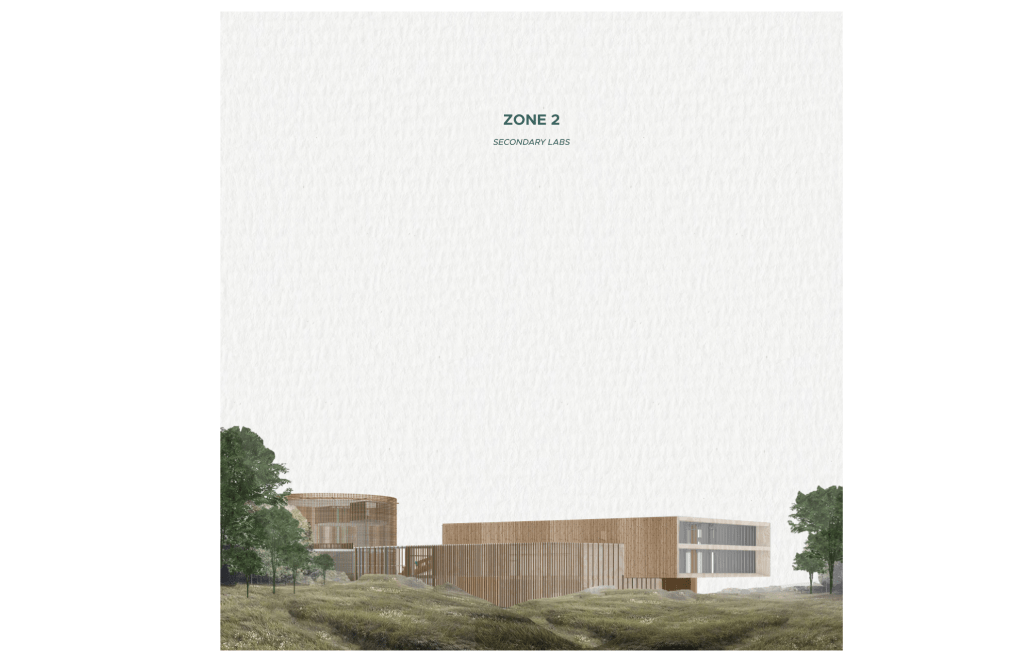
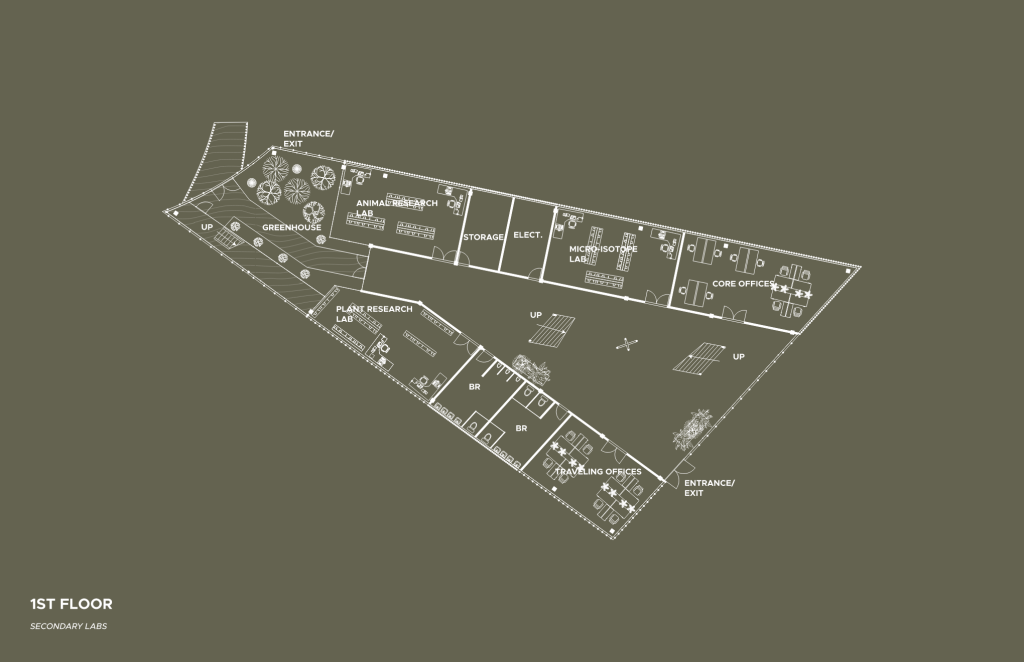
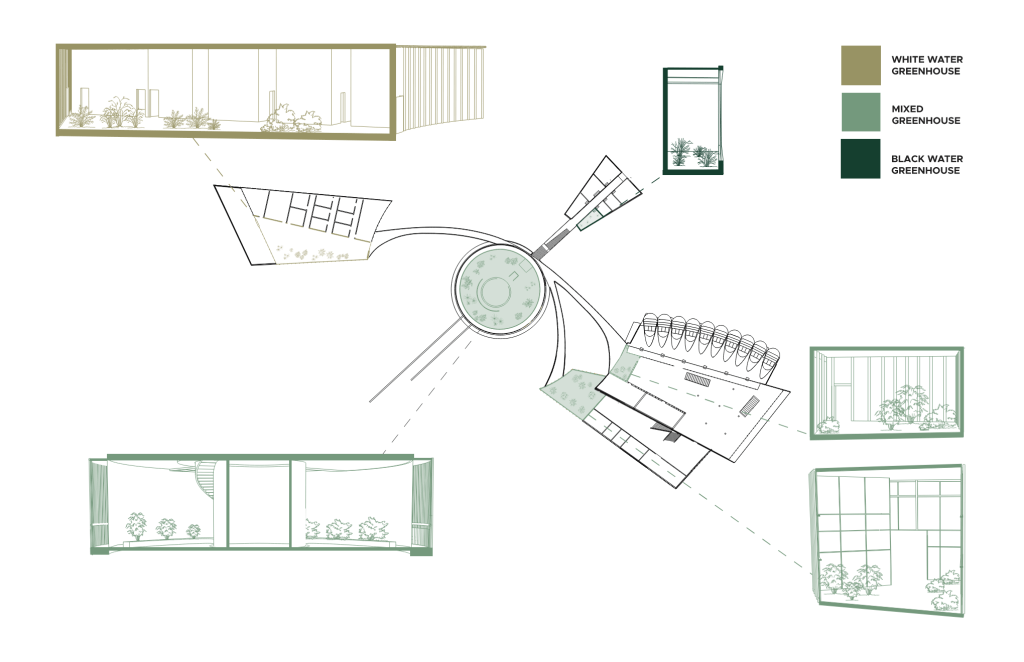
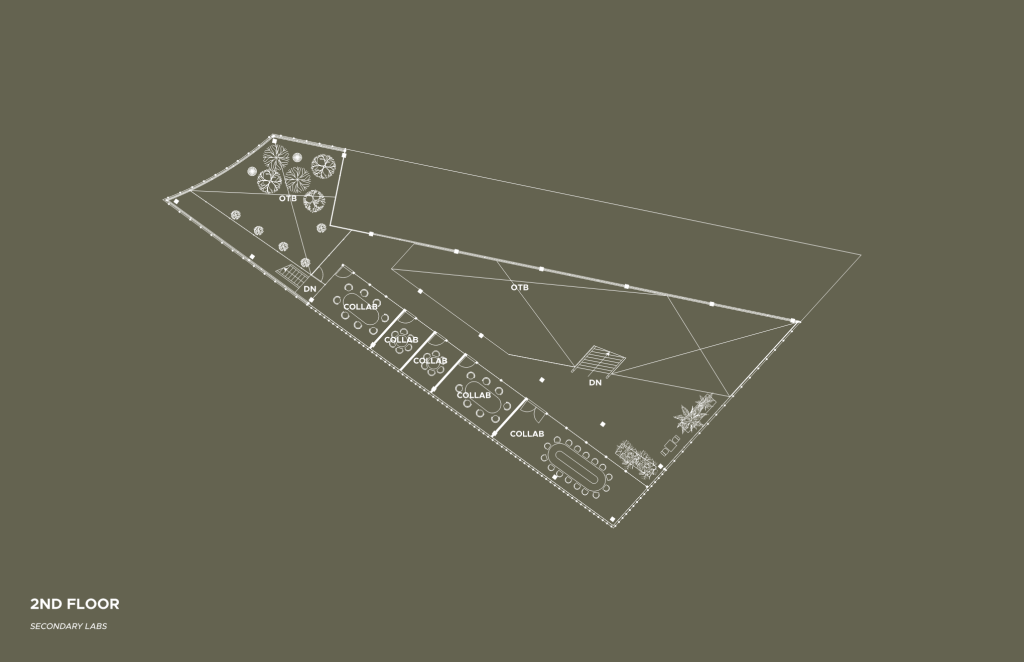
Nestled within the “glass box,” the research lab has specialized laboratories to study the various facets of plant and soil science, as well as topics like radiation. Within the glass box itself, seven different grow beds contain plants for studying and testing of the toxin and its effects. A system of one-way Elevators and decontamination rooms allow the researchers to descend from their labs directly into the contaminated zone and then back to their labs. Through the skywalk, researchers can also access the office building, which has private offices, an open office, and various-sized collaboration and meeting rooms.
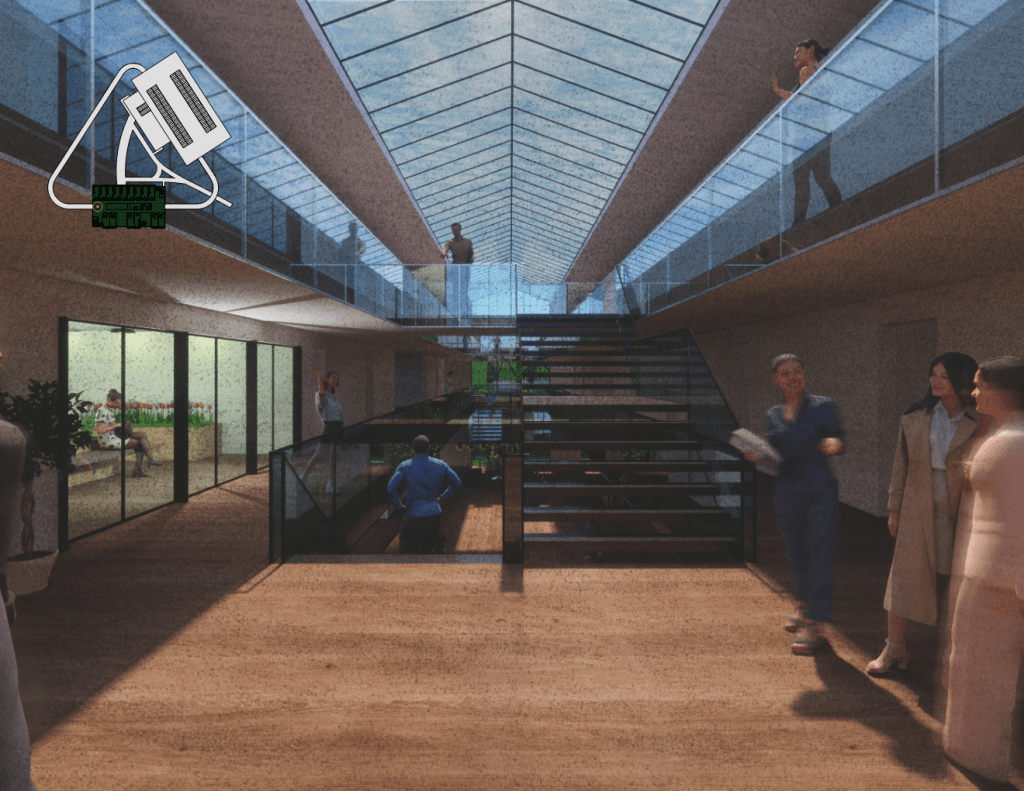

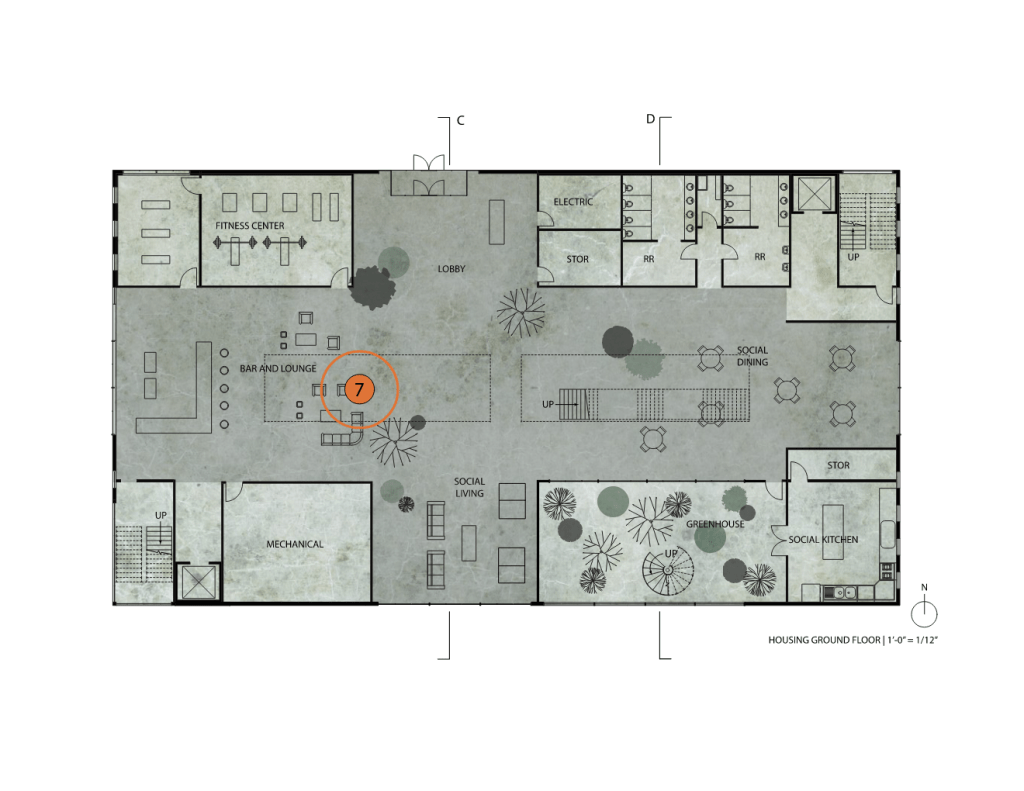

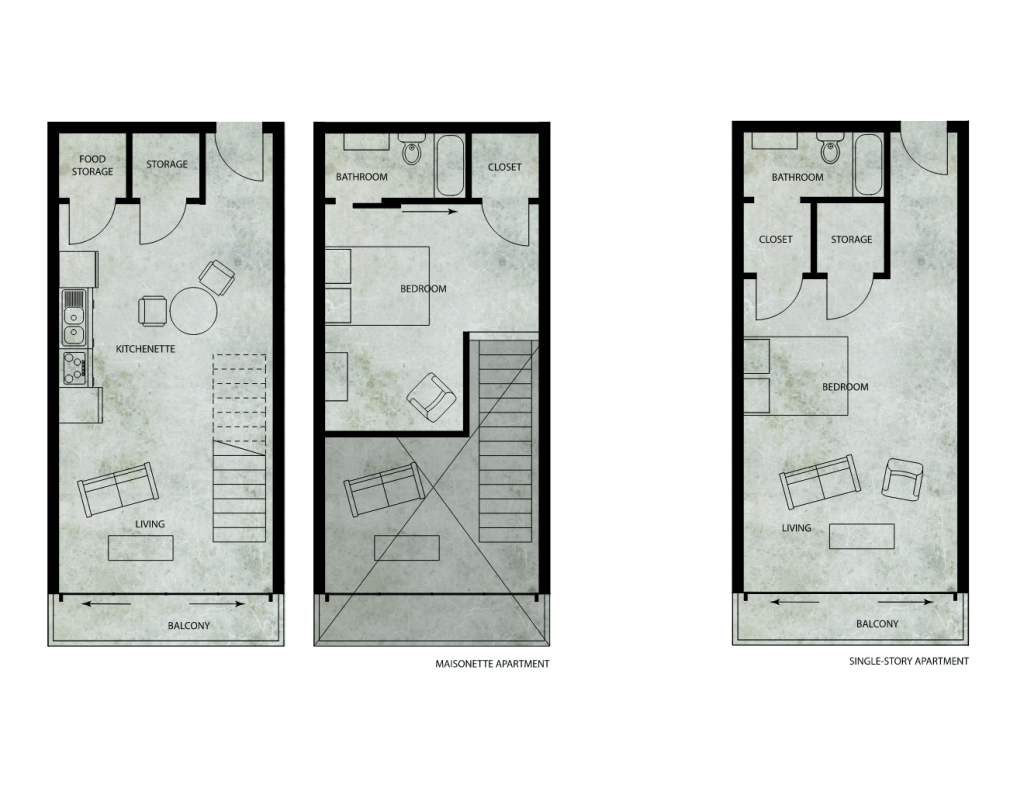
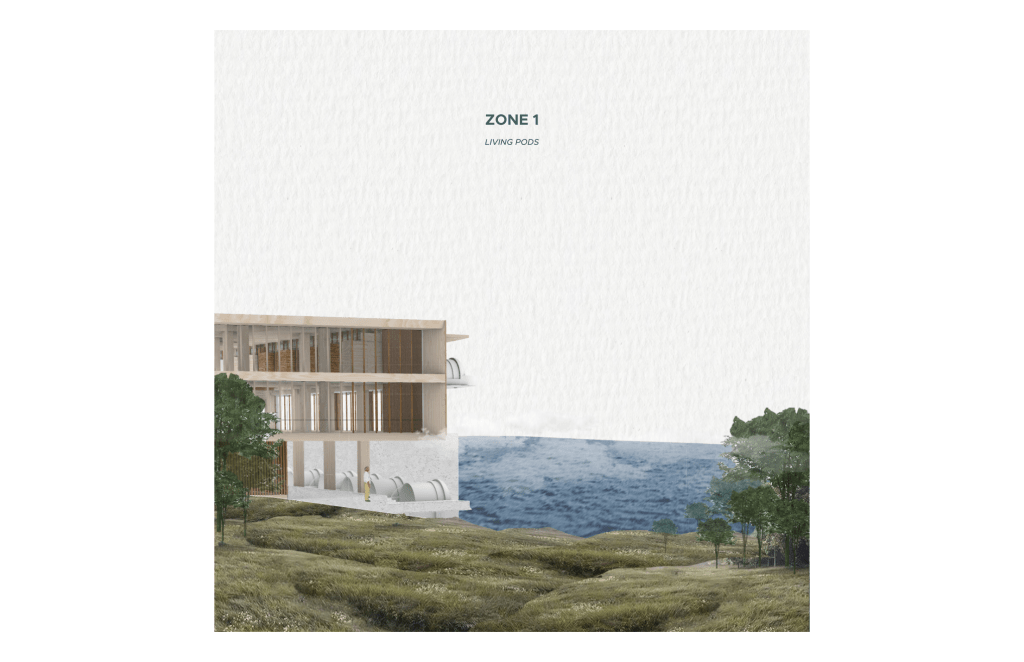
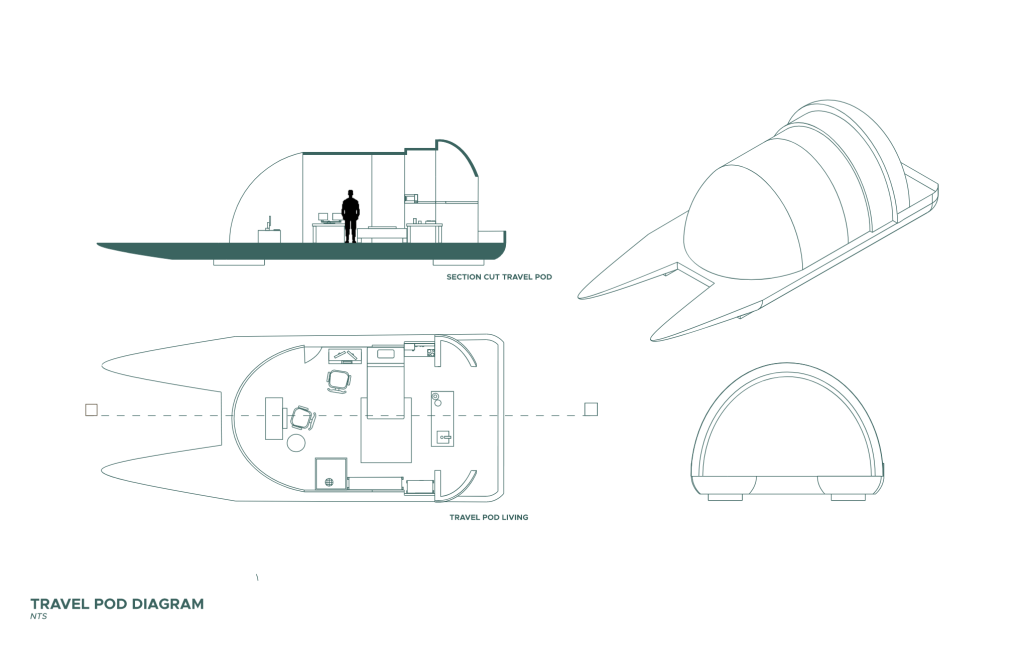
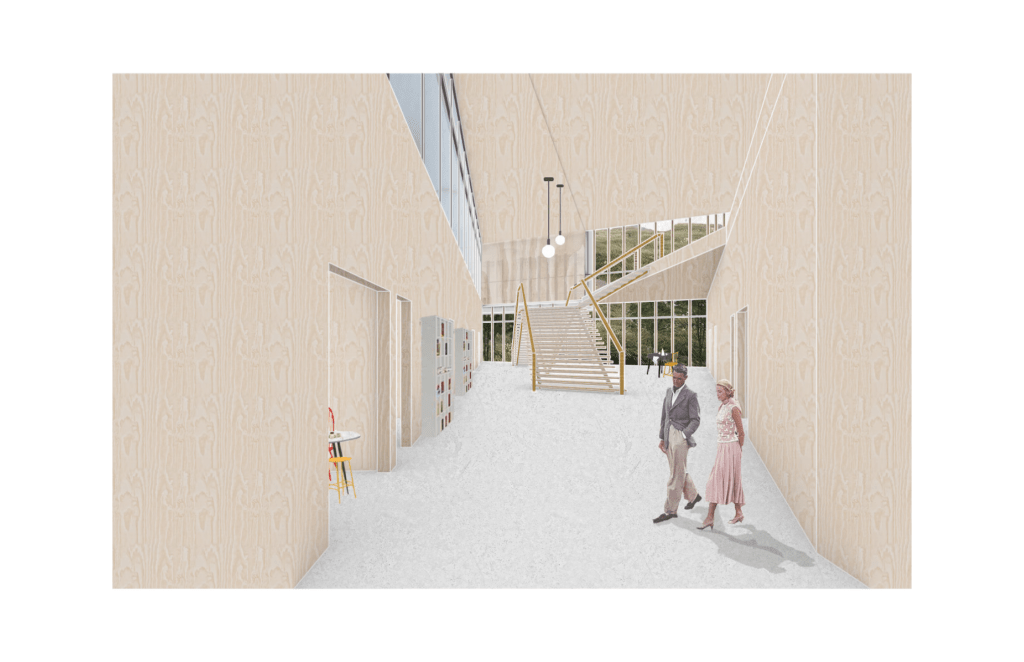
The housing building is meant to offer a reprieve from the heaviness of the researcher’s work. The skywalk, which links the two buildings, cuts through the housing building and becomes a large atrium with stairs drawing you down to the first floor. Here, the amenities are housed, including a social kitchen and dining area where the researchers can cook and enjoy food together. The second and third floor host the residences themselves. There are two apartment types, catering to the needs of traveling or resident researchers. Each apartment has its own personal balcony and is accessed from a shared corridor that looks all the way down to the first floor. A social living space on the second floor can become both an indoor and outdoor area and open the entire building up to fresh air in warmer weather.
Forgotten Ceremony
Rachel Fuelberth, Sreemedha Chintamadaka, Dehray Eleutice, Alex Alderson
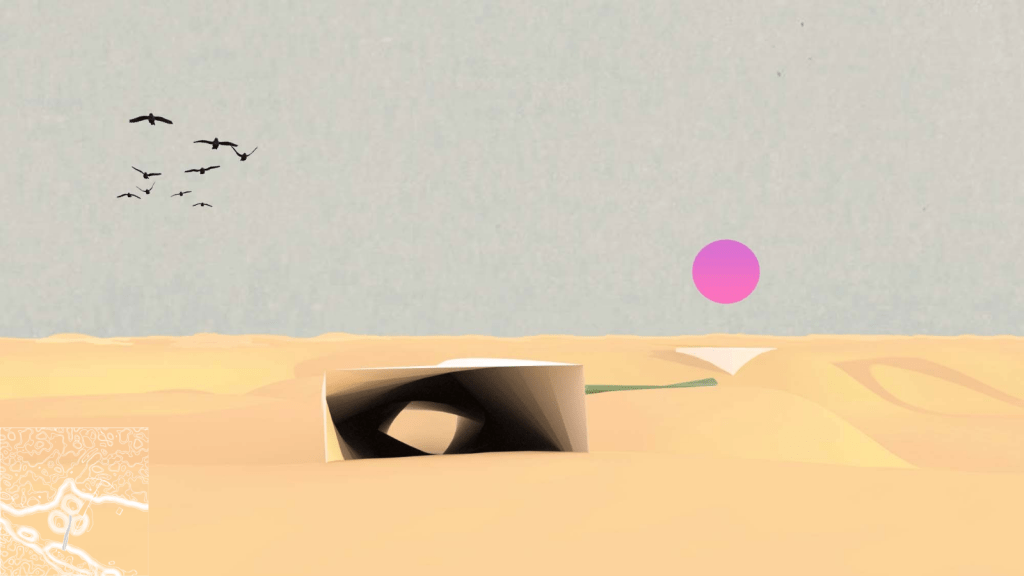
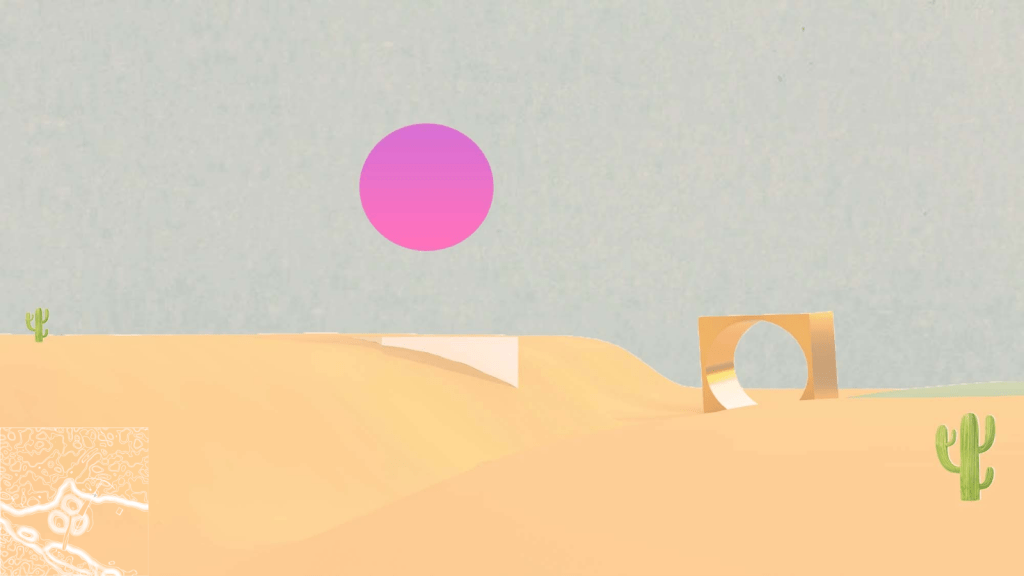
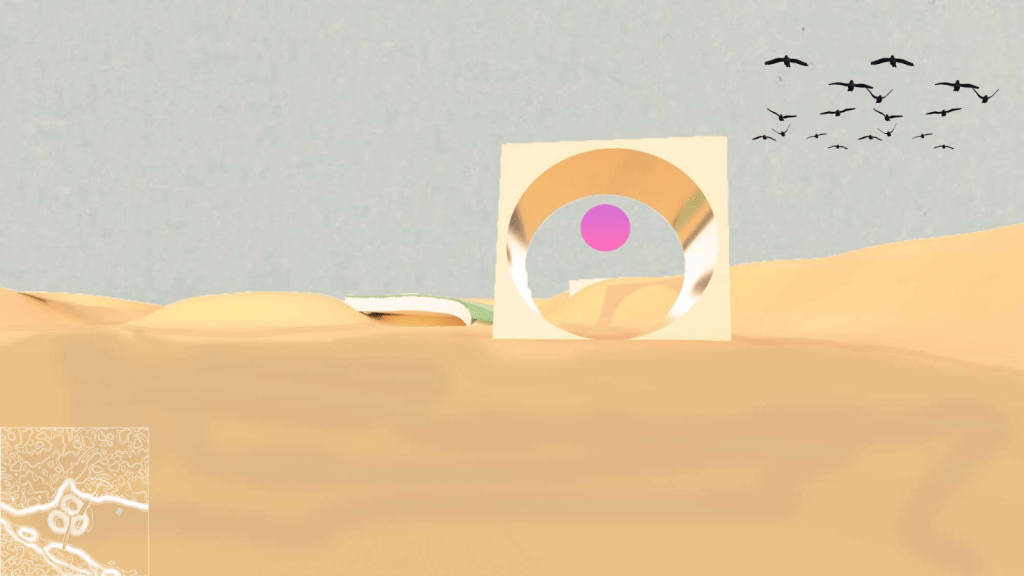
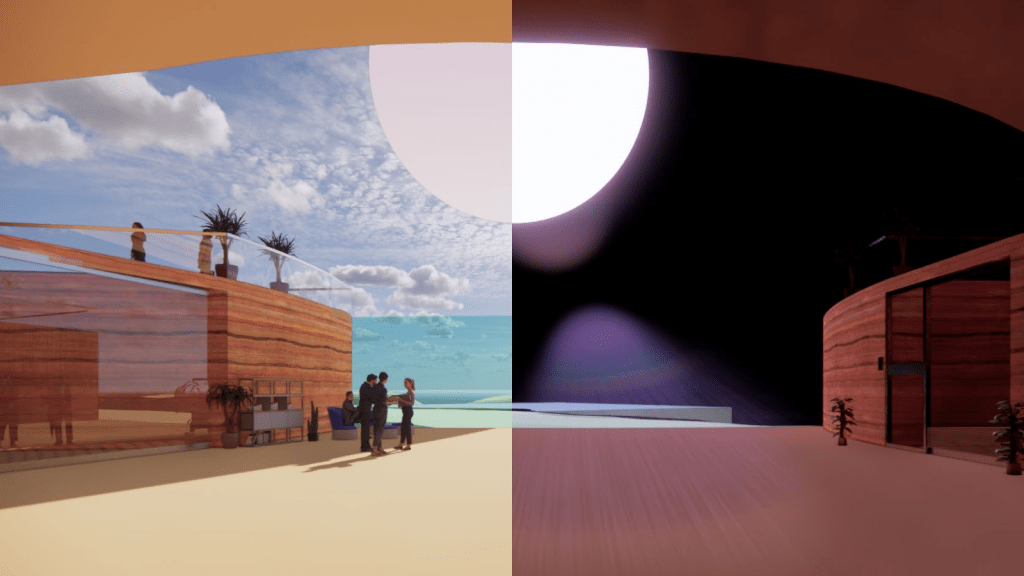
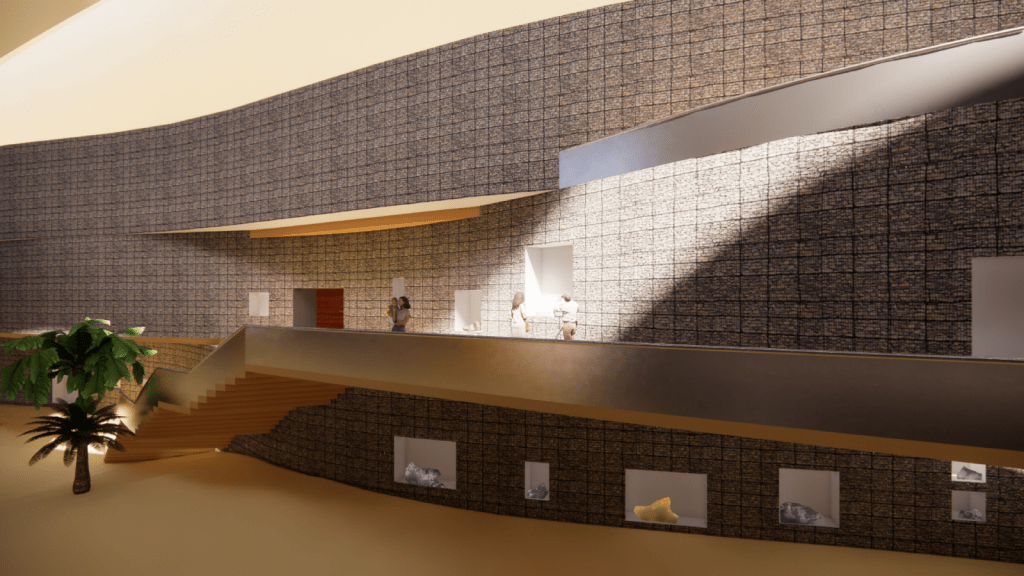
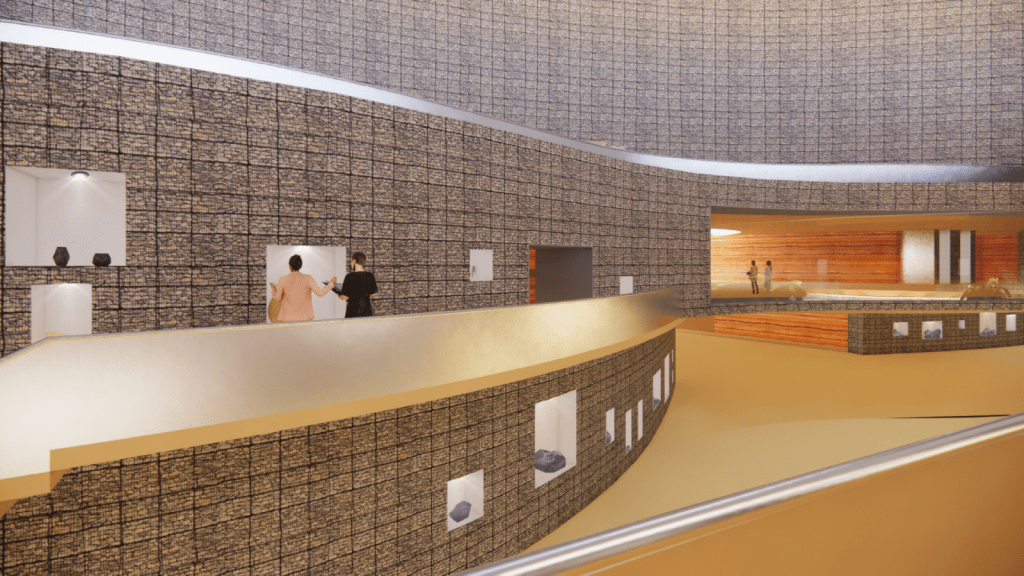
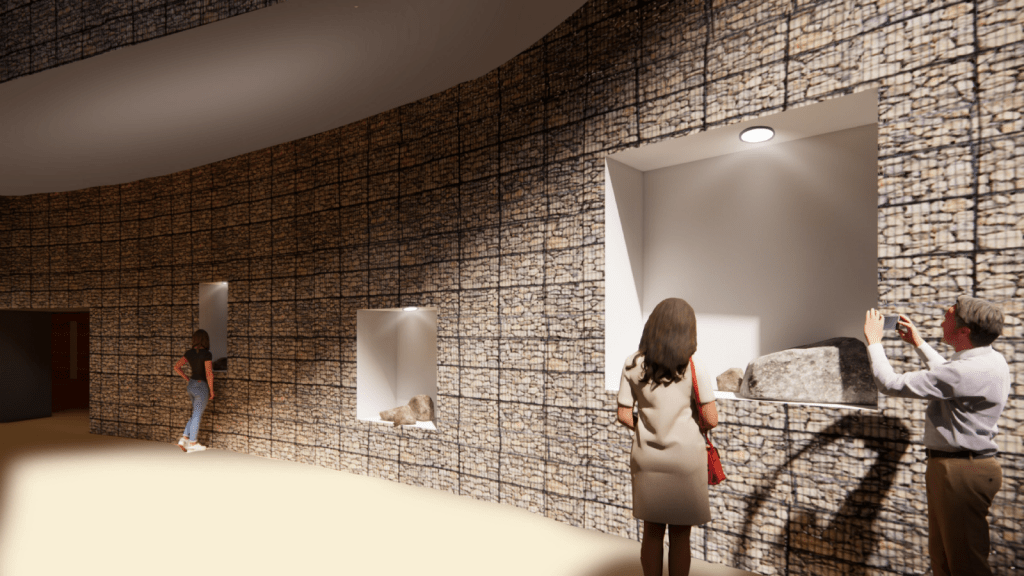
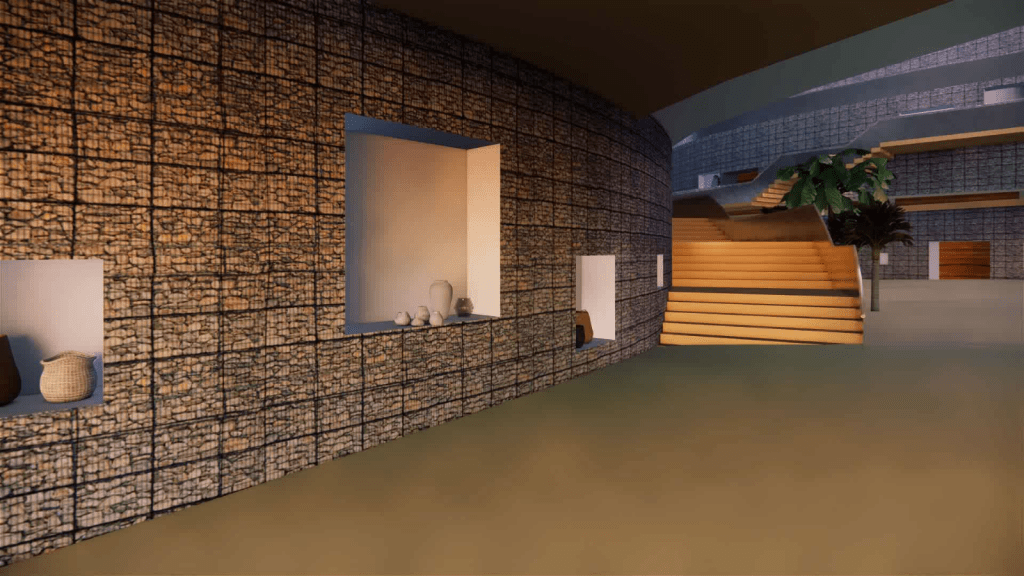
Arcanum Island has a large and expansive history. This site is located in a massive desert that is regularly affected by sandstorms. What once was an ancient rainforest that was inhabited by a diverse culture now lays uninhabited. The civilization that was once here left four objects that are believed to be part of a ceremony. These objects seem to follow a precession as part of what is believed to be a ceremony. The major draw to this site is object three which is a large glowing floating orb and the ceremony seems to revolve around it. Today, researchers are studying what these unknown objects might be.







Tropical Containment
Kayden Lichtas, Muminjon Mirzoev, Chloe Strecker, Elijah Velinsky
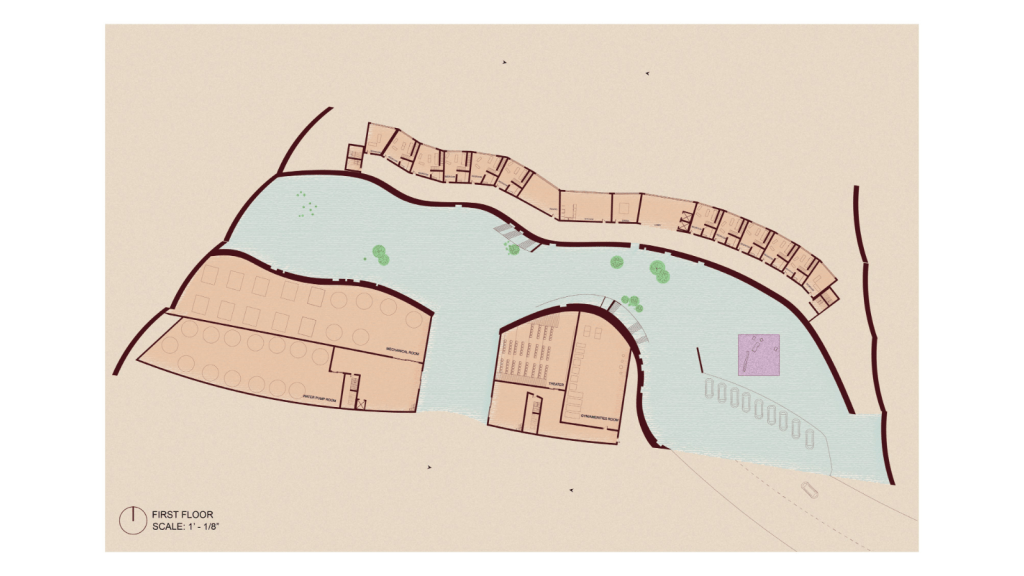
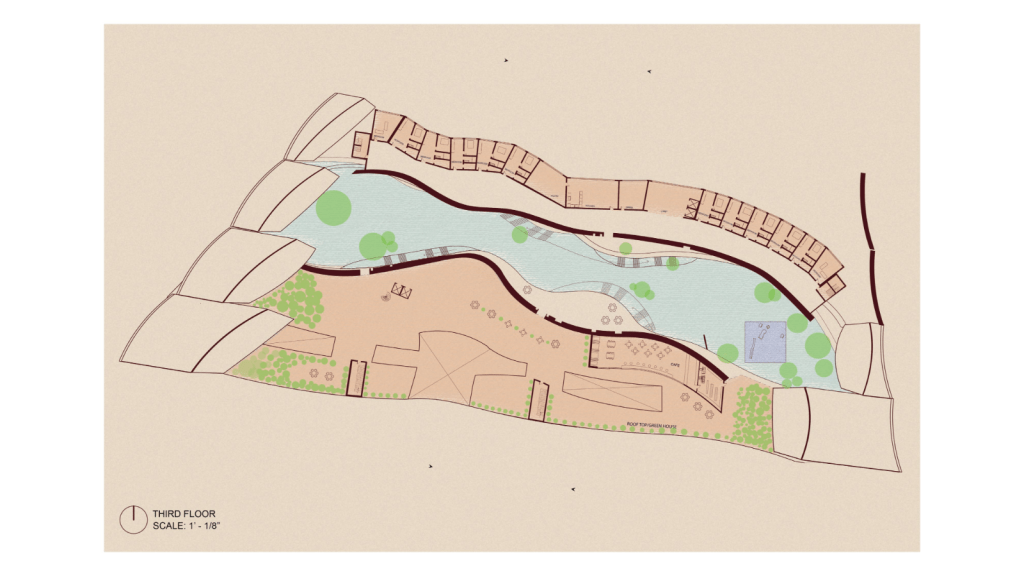
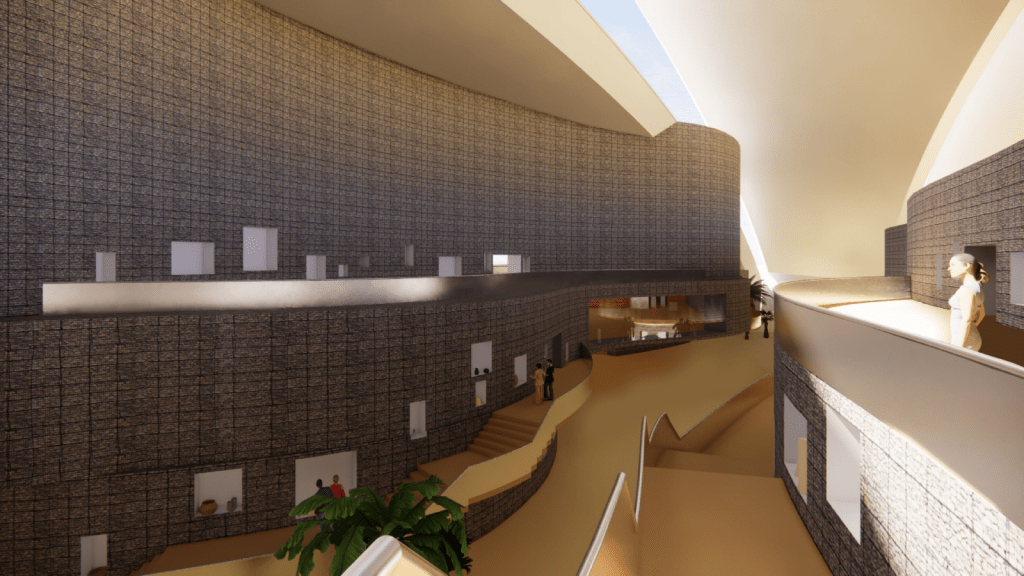
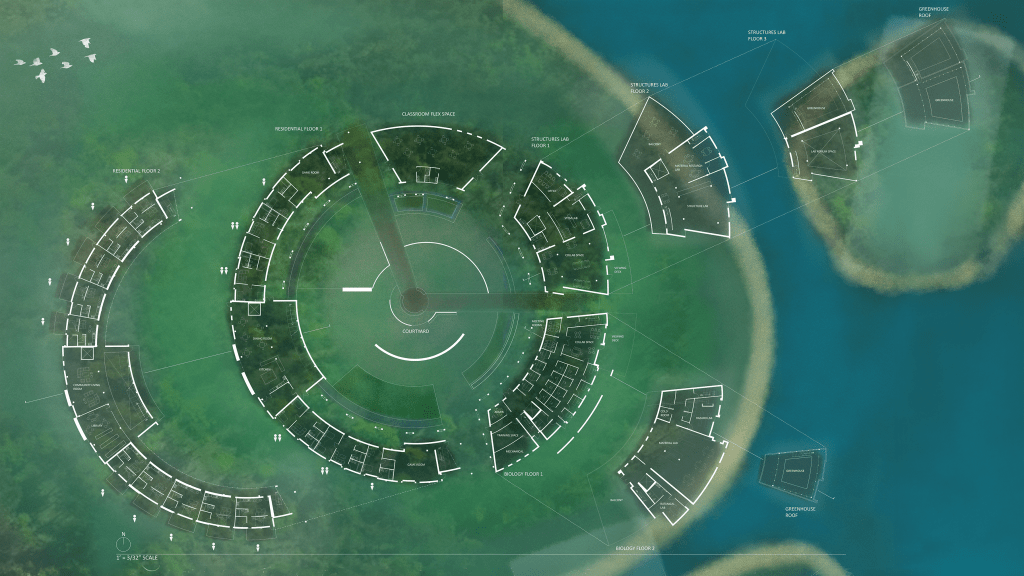
In the tropical region of Arcanum Island, a small cluster of islands were discovered off the coast. A pilot flying overhead had called in a report of strange, massive objects that could be seen scattered throughout the area. As field researchers arrived to explore, they noted that the islands were uninhabited and there were no traces of prior human activity. Yet the objects found on the site exhibited advanced technological and structural design far beyond the scale of modern ability.
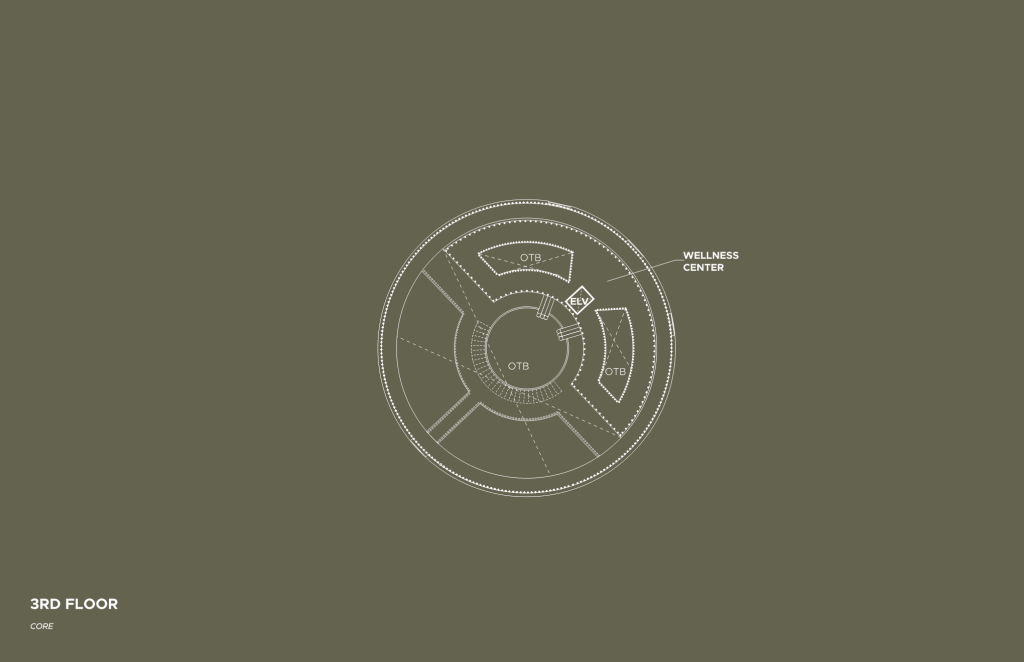
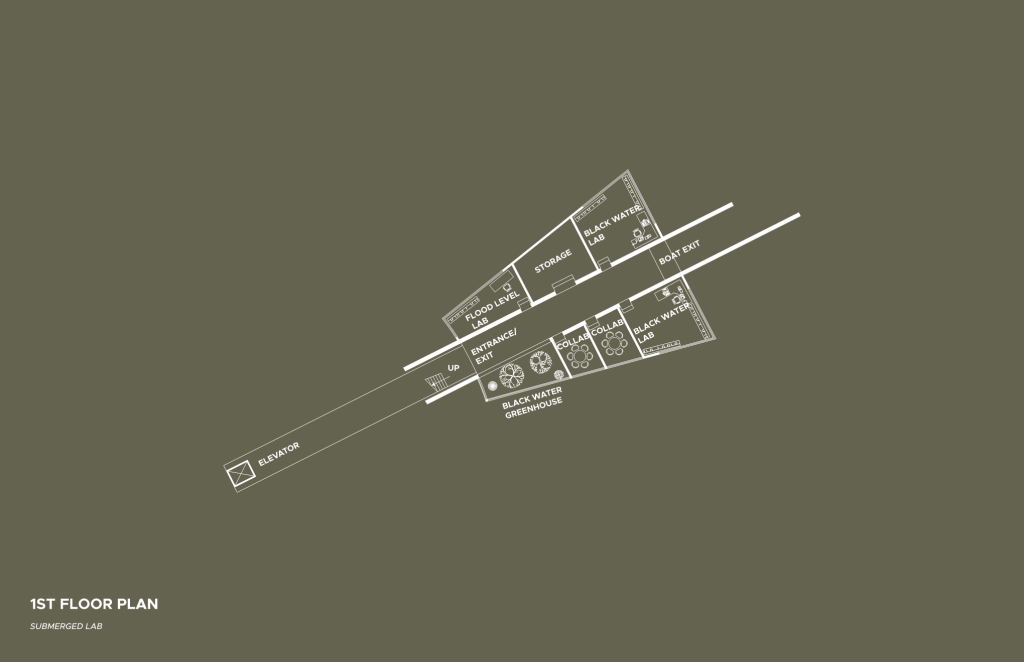
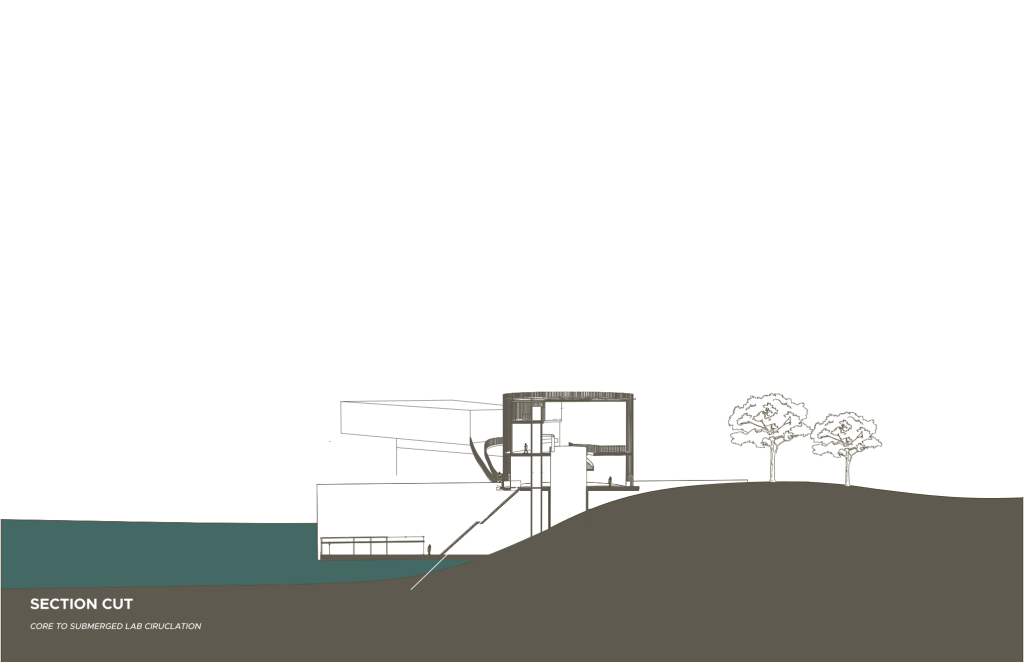
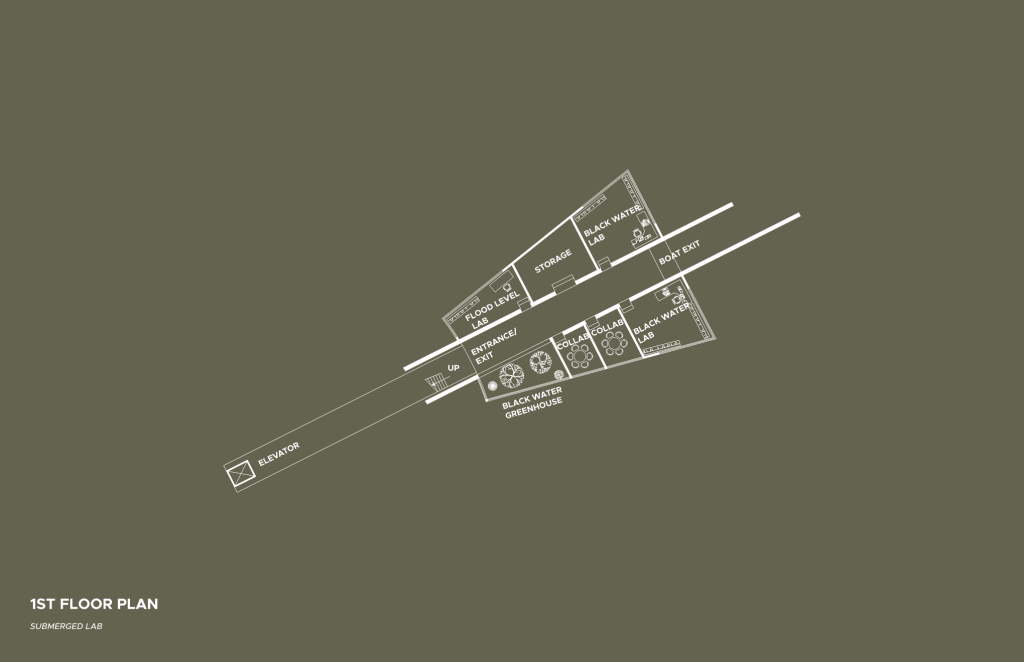
The researchers began to question who or what had built these objects, as well as the purpose they served. Each of the objects they studied displayed similar qualities. They had been built with similar semi-transparent materials and all of them contained diverse and unidentified plant and animal life, completely foreign to the tropical region. The objects seemed to be like giant terrariums, housing completely independent ecosystems within. The largest object, which was the first one discovered, was specifically noted for its structural integrity and impressive engineering.
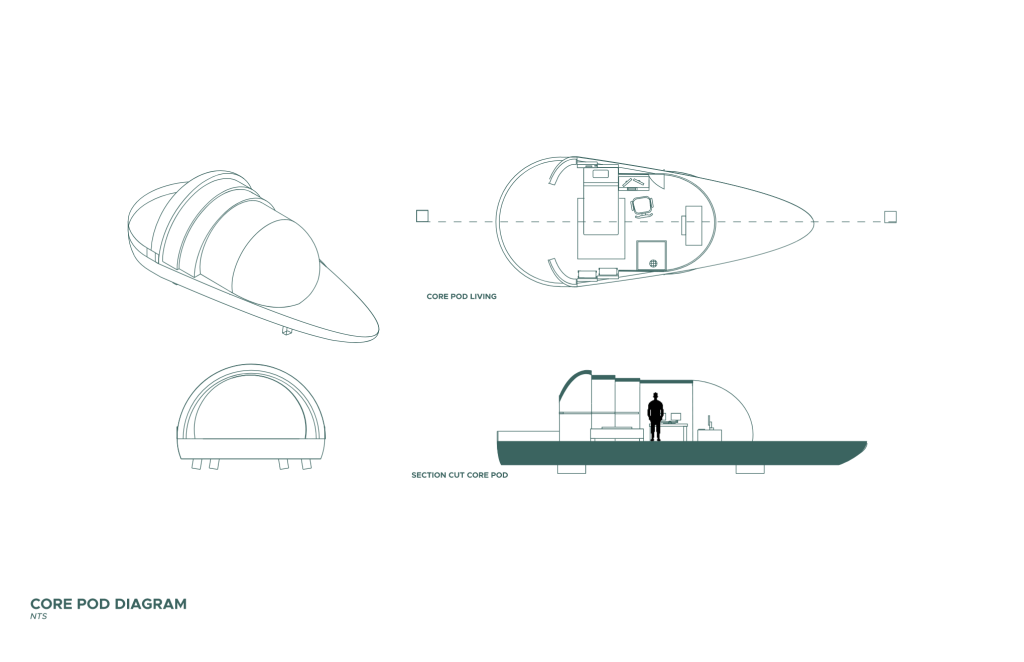
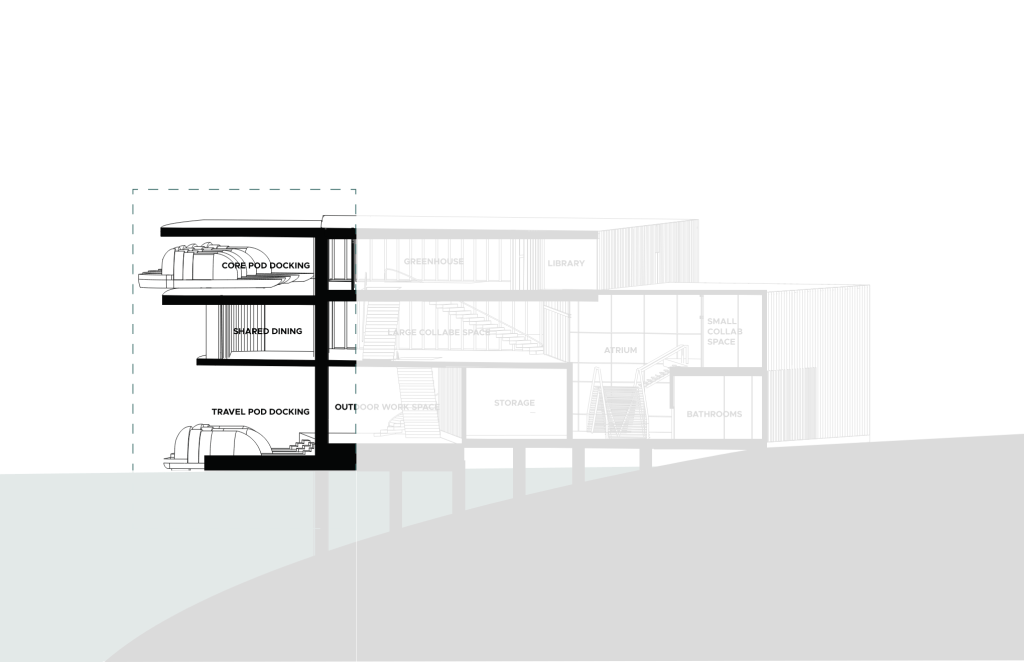
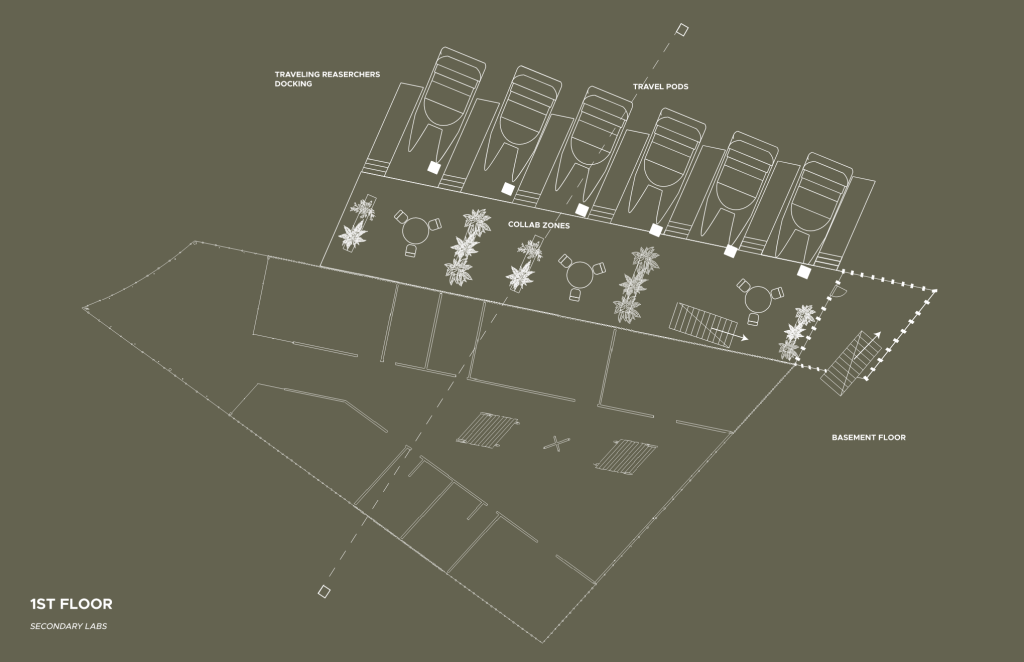
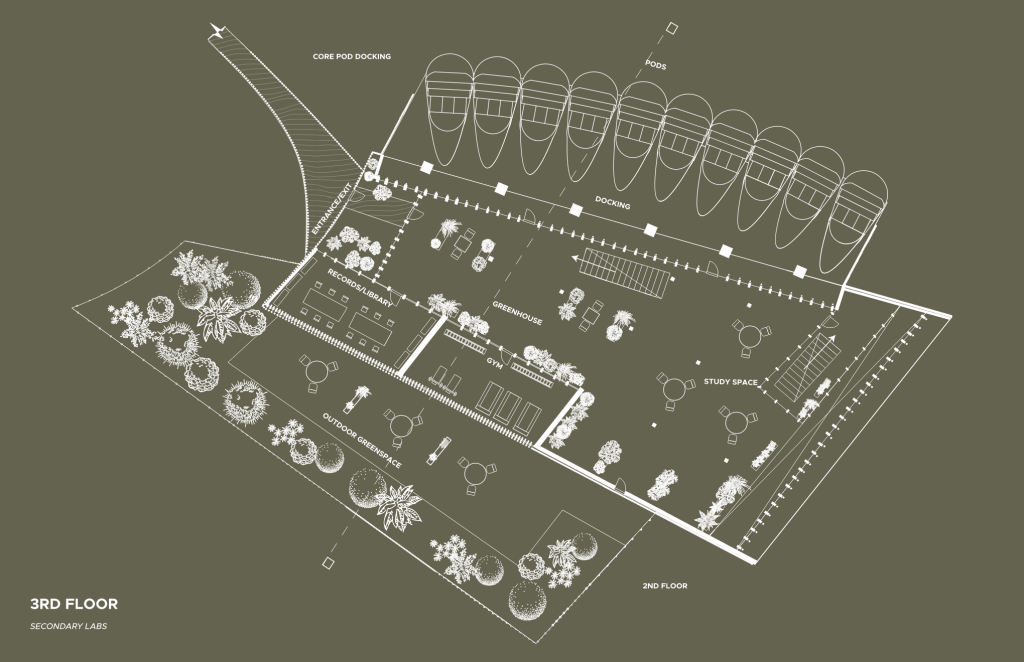
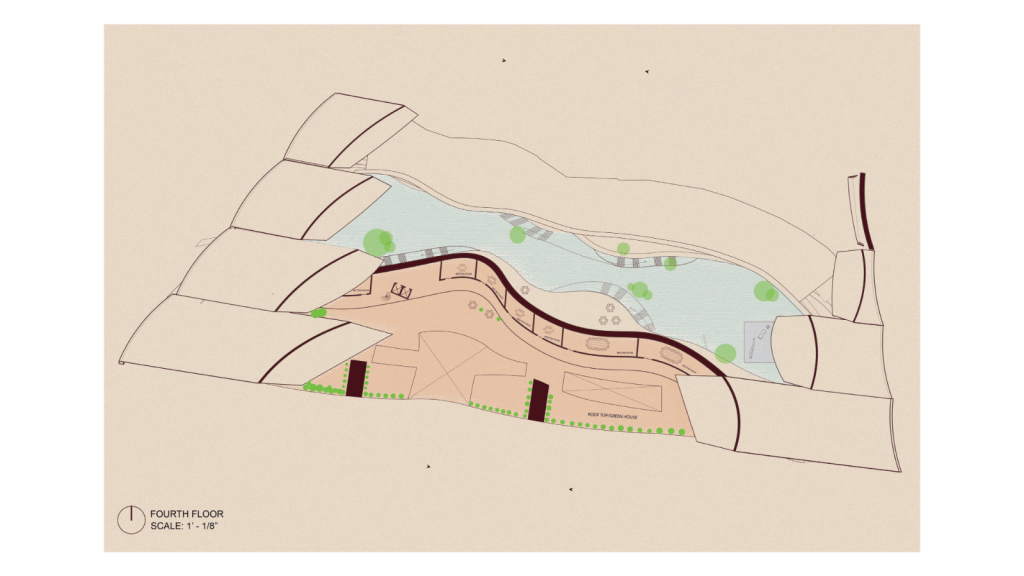
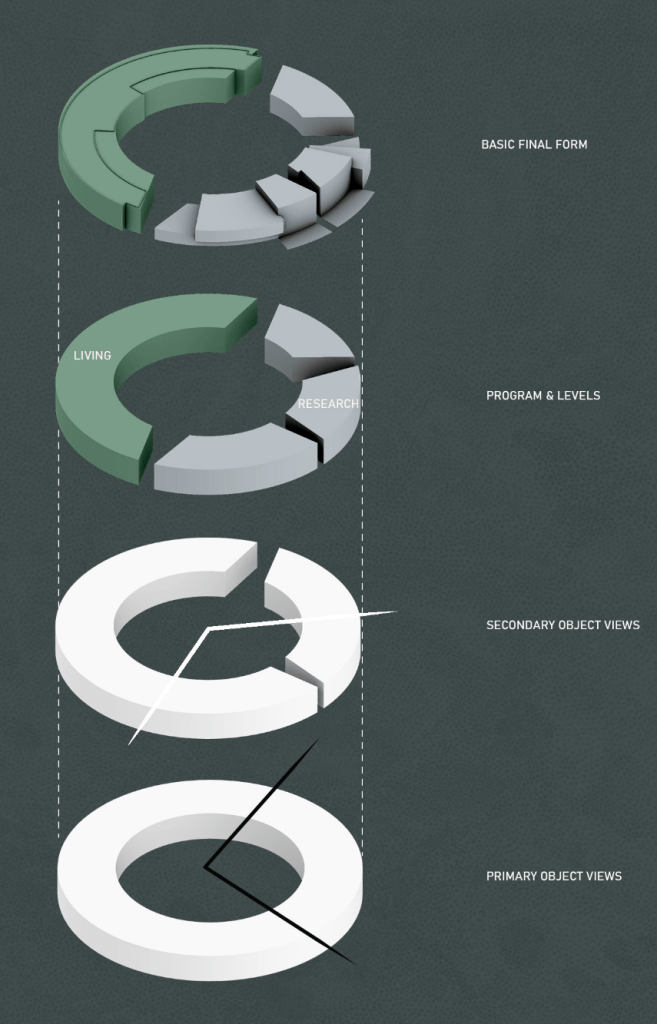
When the researchers approached the fourth and final object in the middle of the site, they discovered a difference. This object had been deformed by shearing stress. The southern end of the object was broken, with splintered pieces littering the area. The interior was exposed to the outside land, and it was obvious that some of the plant and animal life it housed had begun to migrate out of the object. Because of the potential danger the new species posed to the surrounding environment, the researchers began to retreat with the intention of intervening further after establishing a base of operations on the islands. The proposed base would house several researchers to focus on studying the new species, uncovering more information about the found objects, and rebuilding the broken fourth object with information from object one.
 studio ambiguous