Below are blogs archived from 2016 to 2018 by Adam Wiese and Alex Moore. These post were done following a stream of consciousness during our time in graduate school as we explored complex issues relating to the city, our home, and digital media. I look back fondly over these times and our continual friendship throughout the years. I feel the initial question we asked when starting this studio “What do we want to do with architecture?” was quite an ambitions one and dare I say ambiguous. To this day we have still not answered this question as we derive through this immense and consuming profession.
Citing
We did our best to cite and credit ideas and thoughts please reach out if you have questions regarding sources or citing.
Whose Architect
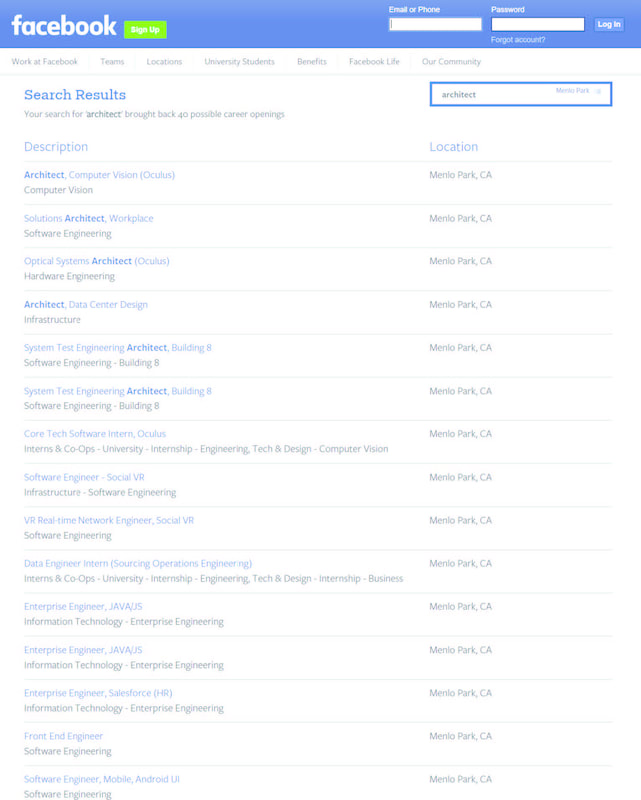

When it becomes job search time for an architect, in order to get an overview of firms and potential internships, the search starts where most searches these days start, Google. That search may lead to some other websites that specialize in job or internship postings, but something interesting continues to happen when using the keyword ‘architect’. Intermixed with a few listings that meet the generally expected criteria are companies like IBM, Google, and others specializing within the technology sector. Facebook lists ‘Optical Systems Architect’ and ‘Solutions Architect’ on their careers page, Google has an opening for a ‘Cloud Architect’, and Apple is searching for an ‘Imaging and Vision Architect’ along with 600 listed jobs that appear with the keyword ‘architect’. Although the amount of tech jobs, the search for that elusive job goes on, unknowingly witnessing a phenomenon that seems to raise profound questions about architecture and the architect in today’s world and in the future.
Whose systems are dependent on who? Does space in the city have value if it does not have Wi-Fi or other means to activate social media services, regardless of built architecture? Which architects really influence and shape our environments?
6/7/2018
Who is in Control

modernism
post modernism
?
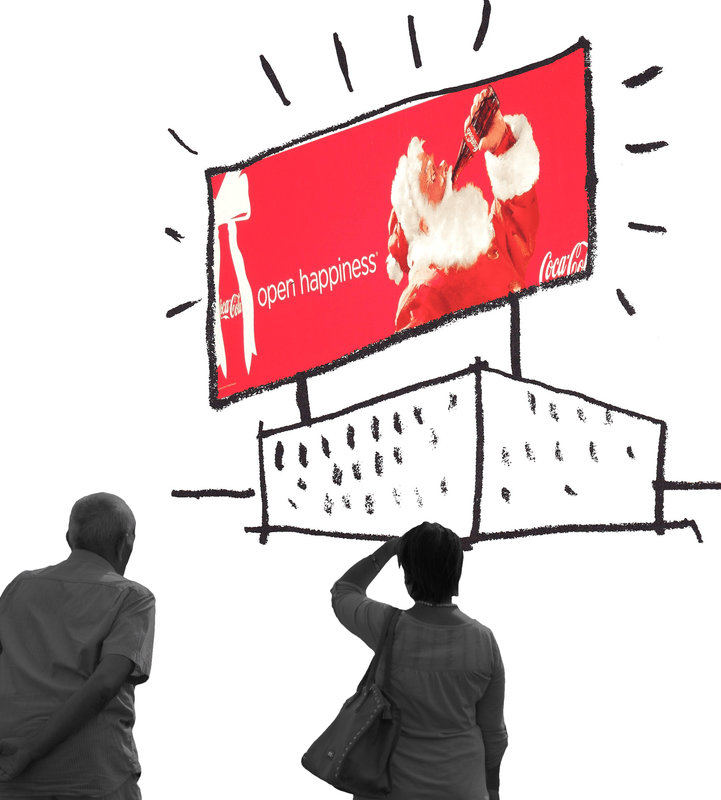
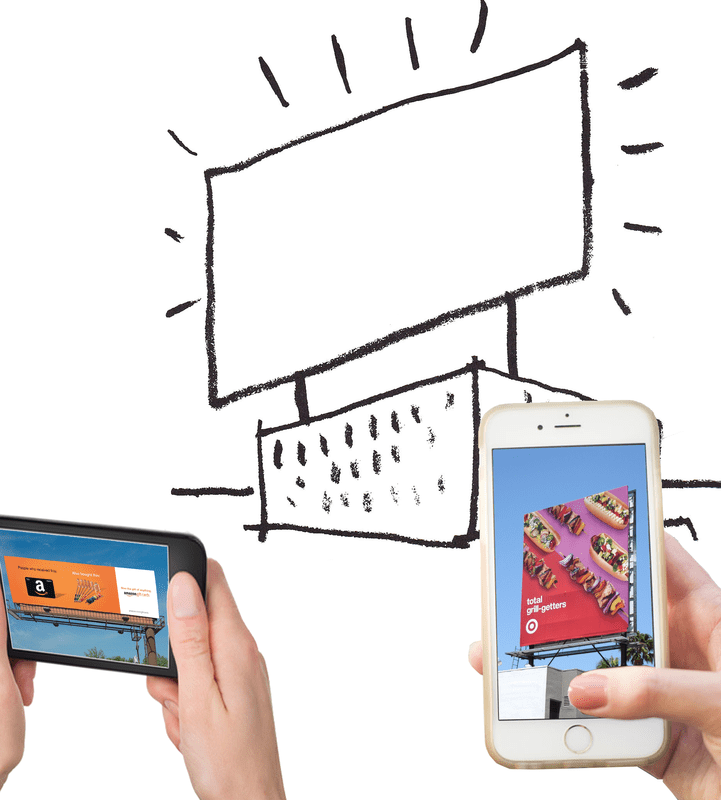
Conceptual series exploring the historical evolution of how users engage advertising within the public domain.
The following is an excerpt from the conclusion of my thesis, Digital is Physical: The Future of User Agency and Design Within the Public Domain.
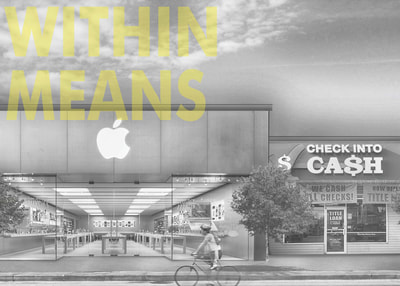
The issue is not private companies participating in the public domain. Disneyland is Disneyland. A shopping mall is a shopping mall. A billboard is a billboard. An Apple store is not a Town Square. A future public domain built on false rhetoric and subversive technology must be critically questioned from the standpoint of architecture urbanism and most importantly by all users of the city. Ultimately, it is crucial that users maintain the agency of choice and freedom within the public domain.
When users experience of the city is controlled, filtered, influenced, or manipulated the chance encounters and serendipity of the public domain are gone. Users are not only isolated, but unable to no longer be exposed to different opinions and diversity. In some ways, that deepens social divides, isolation, and polarization of communities.
Not everything these companies do is bad. There are many examples of these platforms and devices connecting and enabling communities world-wide to have a voice on a global scale. Political engagement that happens in digital space is now playing out in physical space. The same happens with casual social interaction with added connectivity and accessibility for those with the software. For all the good, these technologies clearly come with consequences that must be critically considered before they are given free reign within the public domain.
I firmly stand with the idea that we must as citizens and designers fight to retain agency and control within these spaces within the city. This relationship will continue to change, but as technology redefines the ‘rules of engagement’ within the public domain the fundamental aspects of the public domain cannot be forgotten. A public domain that trades serendipity, freedom, and user agency for control, ubiquity, and isolation that is defined by technology companies must not be the future of the city. There will be ways the digital and physical realms can coexist, but designers, users, and policymakers must critically ask what the function of the public domain is in the future vision of cities.
5/29/2018
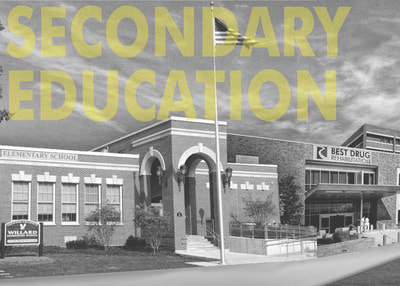
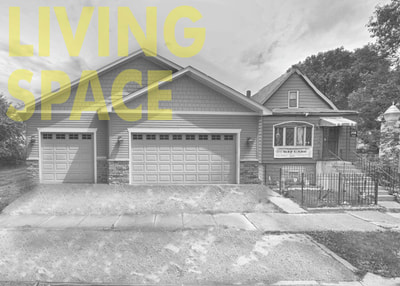
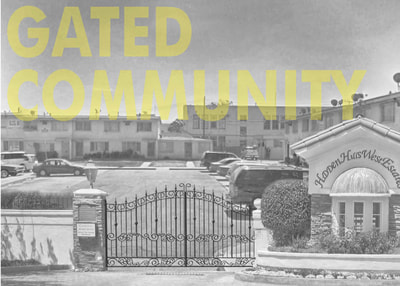

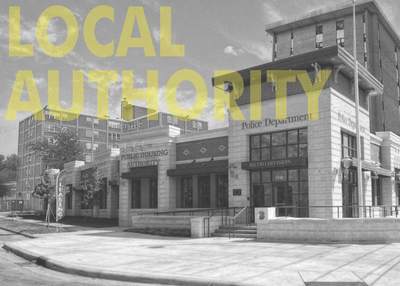
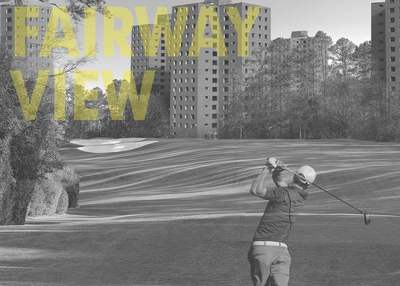
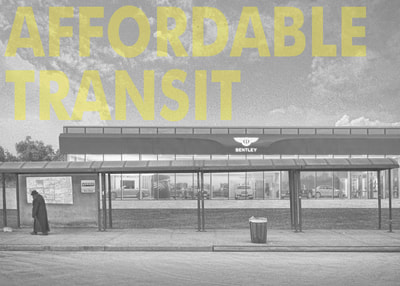
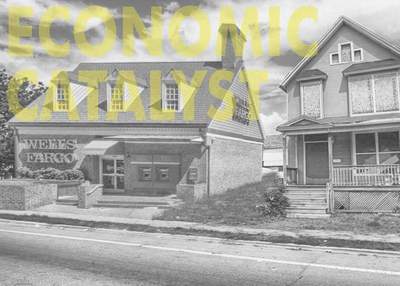

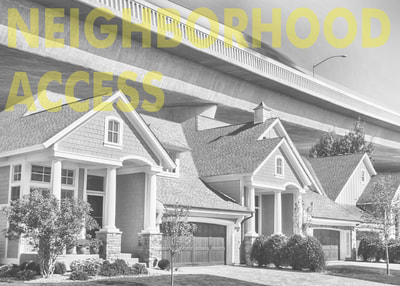
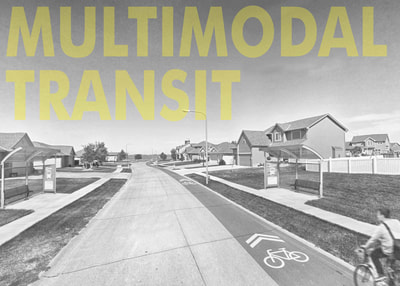
Transformation of Image System in Our Culture
It has been a while since we have posted primarily due to the crushing demands of thesis as well as the infamous job search. Below is a blurb I wrote for thesis that may or may not be incorporated in the final package but was an interesting rabbit hole to dive into. The image system is a way of qualifying the way images have been marketed toward us is complex and has continuously evolved. This evolution was exponentially increased by the internet and consumer platforms such as Amazon.
Role of the Image System
We live in a consumer based culture that uses the image system as its main tool of marketing. As described by Sut Jhally the image system is the tool that marketing uses to reflect our desires and dreams. The image system was not always the dominant mediator and creator of culture. In agrarian based societies other institutions such as family, community, ethnicity, and religion presided over the guiding hand influencing society. The transition from agriculture to industrial created a void within the institutions that previously guided society aspirations. A void that was quickly filled by the marketing of products and information. Information about products seeped into public discourse. More specifically, public discourse soon’ became dominated by the “discourse through and about objects.”
The process of educating society on the image system was a gradual process that took place over two decades. The crucial turning point for the creation of our image saturated society took place in the 1920’s. In that decade the advertising industry was faced with a curious problem-the need to sell increasing quantities of “nonessential” goods in a competitive marketplace using the potentialities offered by printing and color photography. Whereas the initial period of national advertising (from approximately the 1880s to the 1920s) had focused largely in a celebratory manner on the products themselves and had used text for “reason why” advertising (even if making the most outrageous claims), the 1920s saw the progressive integration of people (via visual representation) into the messages. Interestingly, in this stage we do not see representations of “real” people in advertisements, but rather we see representations of people who “stand for” reigning social values such as family structure, status differentiation, and hierarchical authority. From the 1920s to the 1940s there was a gradual education of the consumer taking place as advertisements educated the consumer on the role of the image and how it should be interpreted. During this time period the advertisements transitioned from a combination of images explained by text to advertisements where the written became less explaining the visual and more of a cryptic form appearing as a visual puzzle or slogan.
In contemporary society the images system has become as ubiquitous as the air we breathe. The messages promoting the object orientated culture have infiltrated all spaces of our existence. The public realm, social media, magazines, and the internet are all for sale to promote the image. One cannot simply exist in today’s society without being endlessly bombarded with advertisements. Advertisement role in guiding society has also gained complexity with the introduction of the internet and the almost instant stream of data flow. Fundamentally advertisement is a discourse through and about objects that tells us how things are connected to our lives and how we can become happy. In our culture the image system provides a particular vision for the world, created by marketing, a particular mode of self-validation that is connected to one’s possessions rather than to what one is.
Image System of Thumbnails
The image in contemporary society is perpetuated by the internet, social media sites and, consumer-based companies. This is the new form of advertisements and just like the images transition into advertising in the 1920’s one has been slowly trained to understand how to interpret it. It is not a stretch when comparing advertising budgets that physical marketing has become dwarfed by the virtual image that is projects through the screens of our devices. To keep up with the speed of our society it is vital to process the most amount of information possible. This leads to the degradation of the images that we consume as they become smaller, more precise and load at the speed of our scrolling thumbs. Our current generation has grown up with this new form of consumerism that can process one’s desires at the speed of light. Suggesting images that one may be interested based off the objects they have selected while taking place in a mindless derive of scrolling. The image system of thumbnails is the new market place existing in a virtual world allowing for one to scroll endlessly through images that are “recommended for you” to satisfy our dreams and desires yet in our actual reality we only have the pleasure of the images to sustain us in our actual experience with objects.
AW
3/20/2018
Manifesto for the Image as Architecture
Architecture is meaningless. An empty void of orthographic projection. Without image, architecture is meaningless. Without architecture, image is still powerful. Image transcends medium. It is photograph, painting, drawing, sculpture, collage, writing, and craft. Image transcends scale. It is objects, people, communities, towns, cities, countries, and worlds. Image transcends reality. It is rational, surreal, speculative, narrative, dystopian, and utopian. Image transcends language. It is political, social, provocative, satire, experiential, cultural, and worth more than a thousand words. Image goes places that architecture cannot. Architecture’s rejection of image does not condemn the image. It proves the power of image. While social movement, cultural engagement, and political provocation moves forward, architecture will be left meaningless, four walls and roof.
1/15/2018
SITUATING THESIS WITHIN THE POST-INTERNET ERA
Modernism and Internet State of Mind
Modernism was in large part defined by the relationship between craft and emerging technologies. This allowed the modernist movement to situate itself within history in a way that effected a wide range of disciplines. In a similar way Post-Internet is attempting to reach an “Internet State of Mind” in order to position its self within contemporary culture. Post-Internet can be a misleading term primarily due to the prefix post-. Thanks to the postmodern movement, the prefix post- has been associated with anti- however it originally means after, beyond, or derived from. Post-Internet describes an object created with consciousness of the networks within which it exists.
Post-Internet Era
The Post-Internet movement is something of an anomaly because its stance within the digital era is ambiguous. In the publication, “You are Here: Art After the Internet” explores both the effects and affects that the internet has had on recent artistic practices describing Post-Internet as an era. The era can be defined as the generation that experienced life pre- mainstream internet. In a sense Post-Internet is a once removed understanding of the current condition. Its situates itself outside of mainstream culture allowing for a critique of a society that is completely enveloped within the electromagnetic fog of information. However, the critique is presented through mainstream media not specifically tailored to virtual but to the brick and mortar of the museum. The true understanding of Post-Internet is the cognizance that the internet has its own system and power, which affect the way we evaluate physical existence.
Sub themes
As with ever art movement the classification of the art has been divided into sub-themes derived from the intent of the critique. Distortion explores the modern viewing of art through a digital existence. Language comments on the abbreviation and deterioration of the written language through digital media. The Posthuman Body speculates on the dystonia future of devices tethered to our existence creating new forms of existence. Radical Identification investigates the way that personal profiles can be repackaged and re-purposed within society creating a curated existence. Branding and Corporate Aesthetics focuses itself on the role of internet and marketing exploring the relationships between startups and international tech giants. Painting and Gesture begins to understand the evolution of painting within the digital world. Infrastructure explores post Internets relationship to digital art and net art and the issues with these movement that have created the rise of post Internet as a movement. These sub-themes are exactly that, they are not designed to constrain the art or exploration. The exploration can span multiple sub themes thus commenting on a range of issues that affect macro conditions.
AW
Sources:
Art Post-Internet
http://ucca.org.cn/en/exhibition/art-post-internet/
The Perils of Post Internet Art
http://www.artinamericamagazine.com/news-features/magazine/the-perils-of-post-internet-art/
What is Post Internet Art?
http://www.widewalls.ch/post-internet-art/
What is Post Internet Art? Understanding the Revolutionary New Art Movement
http://www.artspace.com/magazine/interviews_features/trend_report/post_internet_art-52138
10/8/2017
DIGITAL MORTUARY
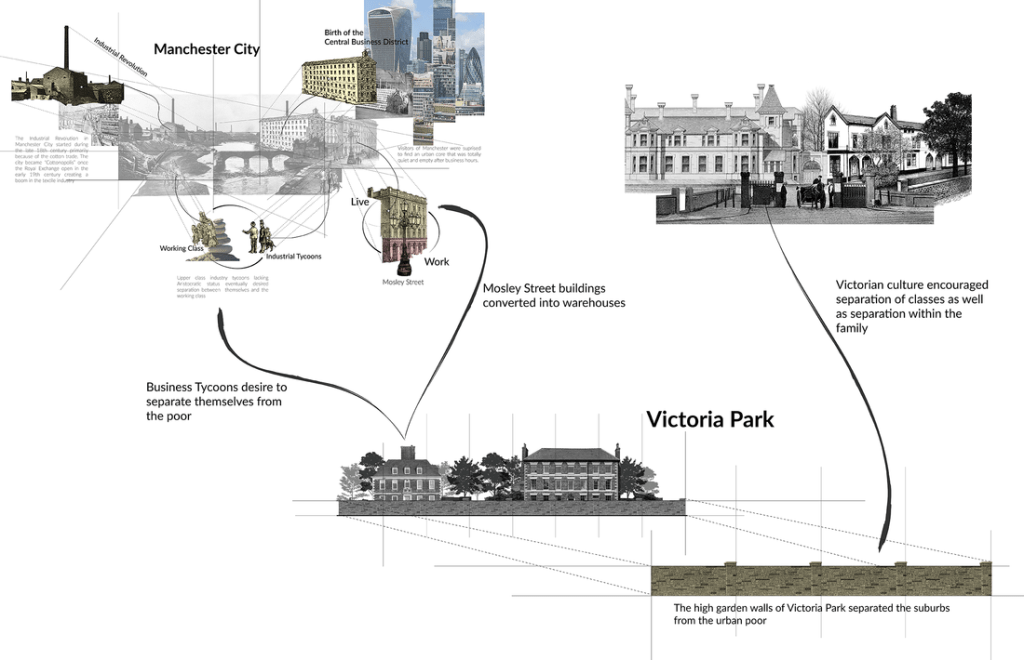
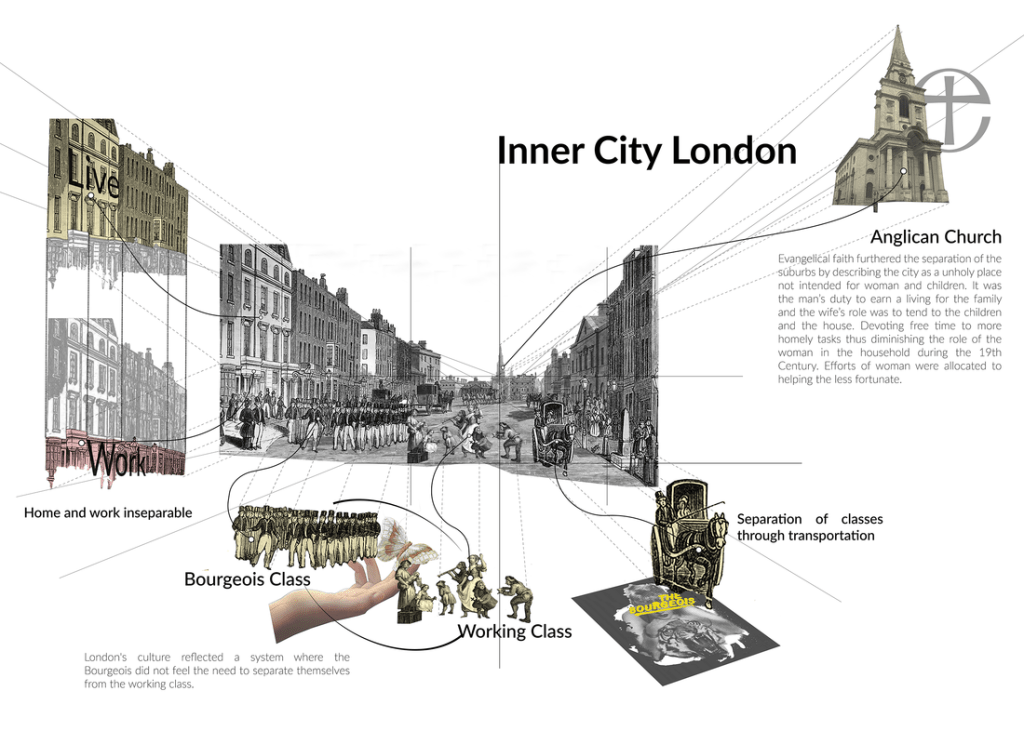
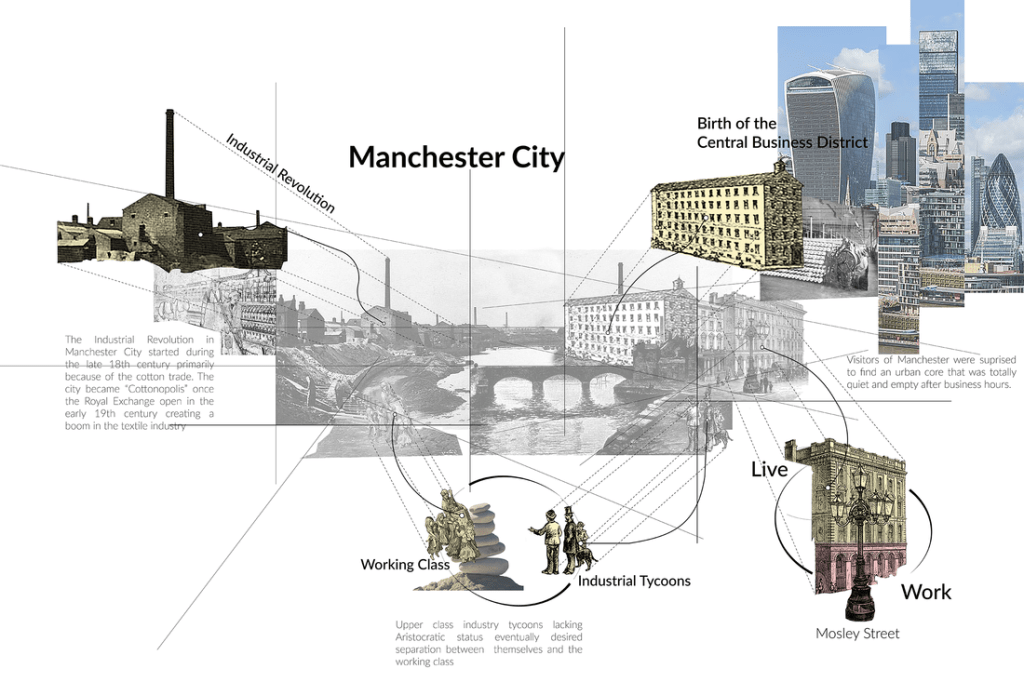
The below images were completed with the intention to be used to contextualize migration patterns of early suburban developments in England and the United States. The exploded collages were created using information from Bourgeois Utopias by Robert Fisherman and Edge City: Life on the New Frontier by Joel Garreau. Unifortuanity these diagrams have been shelved in the Digital Mortuary of Studio Ambiguous with the hopes of being influential later in the thesis process.
AW
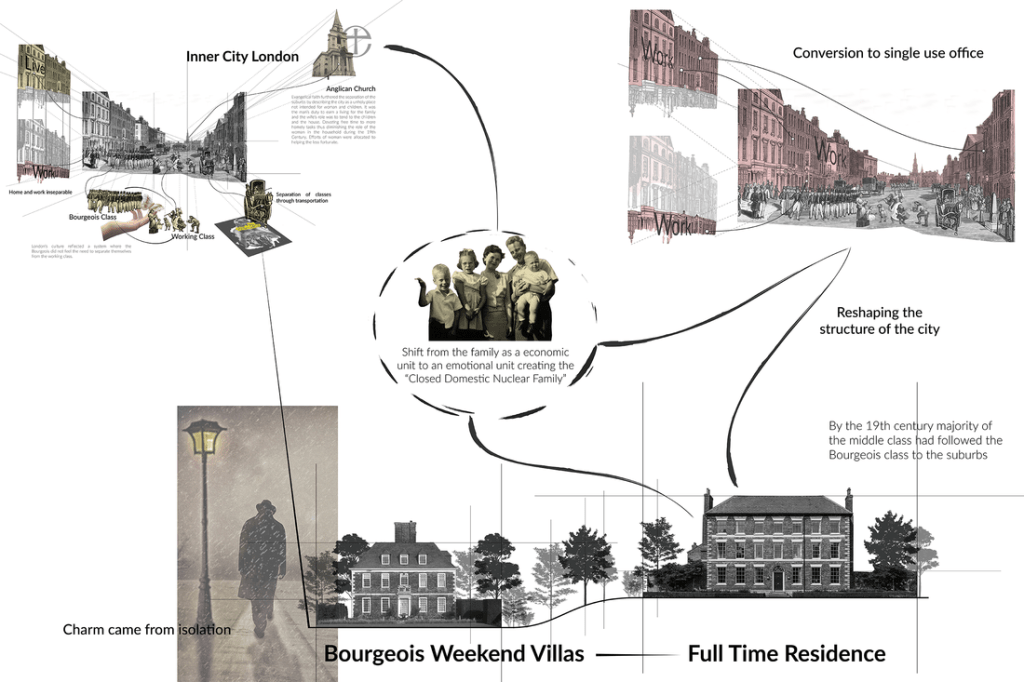
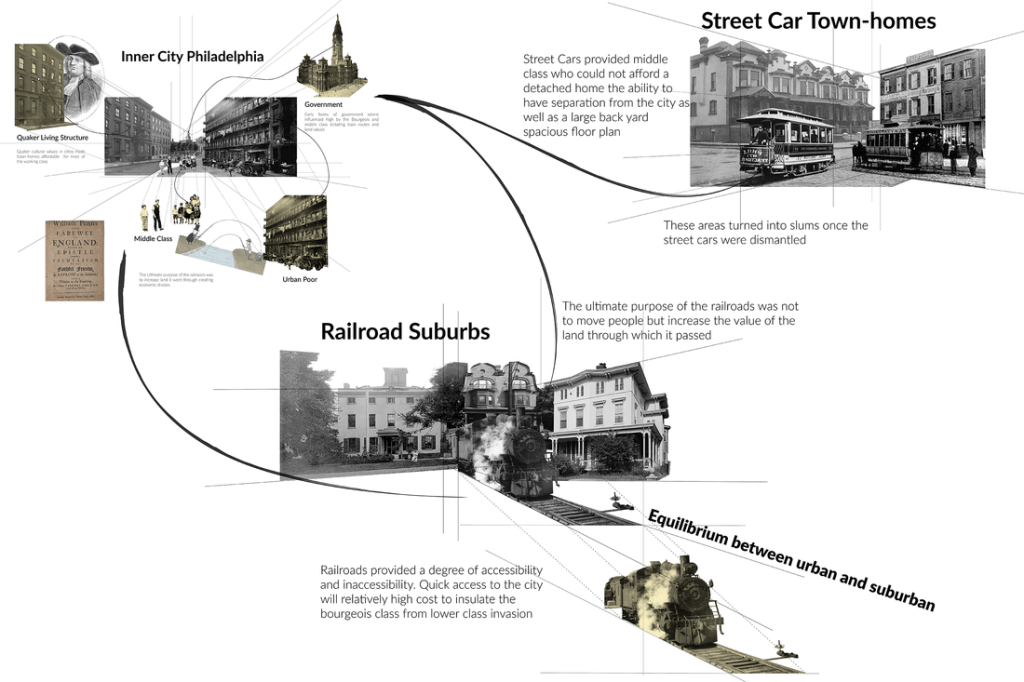
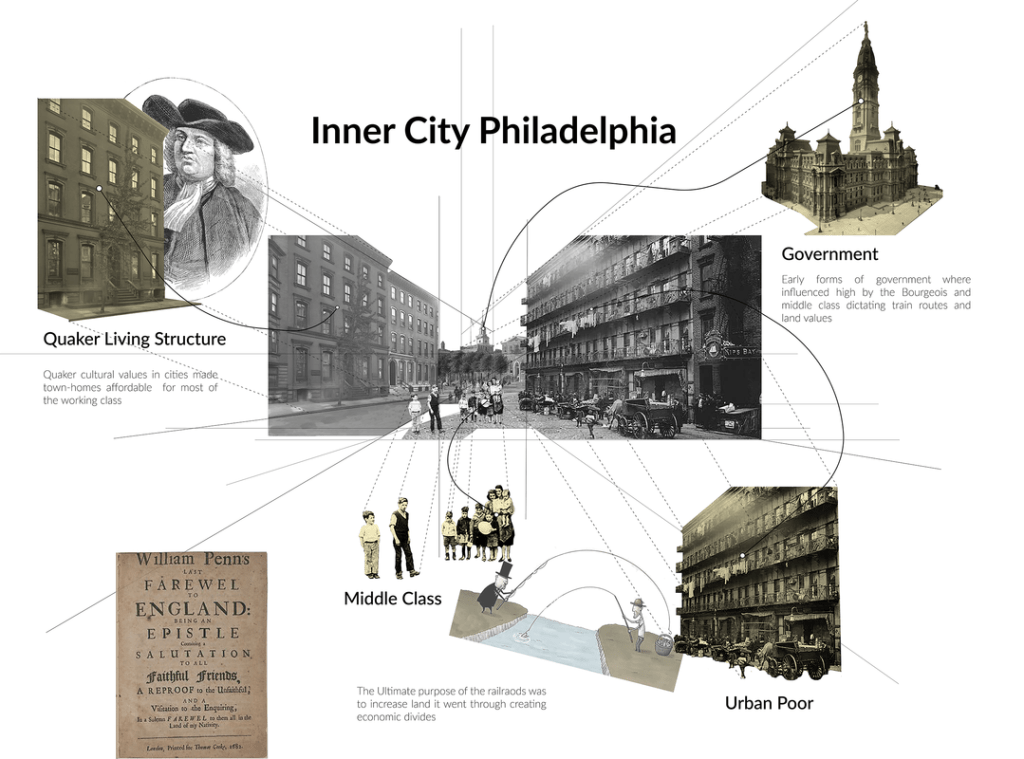
10/7/2017
CHANGING THE GAME IN WHICH WE PLAY
Society and our role in the game. Society is designed for us to fit. We grow up in an educational system that is constrained by the society of which we eventually enter. As we progress through life society guides us to where we will eventually fit. The fit, although not predetermined, is influenced by the societies previous to ours. They are the societies of our parents, our guardian, our teachers, our coaches, and many more. Their societies all perfectly curated by the society before that. Thus, creating a perpetual system. A system challenged by the few but conformed to by the many. Society does not directly teach the ability to question for questioning society would result in the inability to fit. A character trait that does not conform to the 140 characters we are assigned. Society wants you to post your statues and share your interest with your friends because society has methodically adapted itself to accept the norm, The norm, a term defined by society to be the standard. The baseline for existence in the current society. It is true society will accept the stragglers that are still clinging ton their flip phone or archaic technology however society names them. They are the stragglers. Deemed by society to be the slow adopters of trends far from the forefront but still society.
It is important for individuals to challenge the society and its frame work, A teacher should not be subject to conforming to district standards if they feel the standard to be inadequate for the next generation of society. Just the same, the architectural student should not be conformed to solely the teachings of their professors. However, these large scale challenges of society are grand in undertaking and require an articulate understanding of the society in which it is commenting. On a micro scale it is important to challenge society in a way that reflects the ground up style of rebellion. We need to challenge the process in which we shop for our produce and meats of the way we interact with others through social media. The frame work of society needs to be challenged in order to understand our reason for existence in the world. If this does not happen society dictates full control and the adaptation of society becomes a phenomenon. An unreachable unobtainable self parasite that has no oversight mutating out of control by forces larger that the sum of its parts.
AW
10/6/2017
WHAT DOES ARCHIZOOM’S NO-STOP CITY MEAN THE CITIES OF TODAY?
I really do not have any answers to these questions that I am about to pose, but I think they are starting to take center stage as thesis research is ongoing. The relevance of the “Italian Radicals” in my thesis has really come up as way of thinking and commenting on architecture and society in different ways. Archizoom, Archigram, UFO Studio, and more all went about it in different ways. Archizoom has specifically been relevant because though my early research I was trying to understand how to describe the generic nature of cities and articulate some understanding of why. No-Stop City creates a world that modernism’s goal is the elimination of architecture. They use the tools and ideas of modernism to then critique it.
The following are two excerpts from No-Stop City by Andrea Branzi.
“The only place where The Factory Model and the Consumption Model are identified is the Supermarket. This is the real yardstick model of the future city and consequently of reality as a whole: homogeneous Utopian structure, private functionality, rational sublimation of Consumption. Maximum result for minimum effort”
“The city no longer represents the system, but becomes the system itself, programmed and isotropic, and within it the various functions are contained homogeneously, without contradictions.”
I think these two excerpts are pretty powerful and they open the door to a lot of discussion about cities now. Pier Vittorio Aureli hints at the first one many times in his writings about capitalism and architecture. In his writing, The Domino-Problem: Questioning the Architecture of Domestic Space he states the Le Corbusier’s domino house is the moment when industrialization overtook architecture (see other blog). I do think talking about the ideas of “maximum results for minimum effort” are being severely overlooked in the world today. That is a capitalist principle at its core, yet architecture design, architecture process, and every aspect of society has embraced it while seemingly attempting to question the impacts of capitalism within our society. I think by making these ties between Aureli and Archizoom it is clear that something within architecture discourse on its role within the city is no adding up. I think it is safe to ask questions like, how does that impact architecture’s role within the city today?
In the next excerpt I see two words, “homogeneous” and “contradiction”. Contradiction, to me, is one of the most important words in architecture. It seems like architecture and architects have no way to even articulate some way to address the contradictions within architecture and society. Those contradictions lead to major issues within the field because architecture claims one thing but does another. When it comes to homogeneous, I equate that to “generic”. Generic is not a new term, but I think it is an easy way to describe the majority of architecture within cities (whether that is good or bad is not the current question). Archizoom takes those ideas of a homogeneous city and proposes it on an endless scale. I think now (in a very general way because this is becoming longer than intended) I have established some terms and ways to describe processes, design, and the market within the city. So, what does this mean for the city now?
I am starting to wonder about a connection between the domestication of the work place and “hyper-programming” of the workplace within tech campuses and that ideology that goes along with startups with the city as a whole. The domestication of the work place is really meant to blur the lines between work and life. Life becomes work and work becomes life, convenience. That ideology is trickling into our urban space with Apple branding themselves as “town squares”. Public space becomes commerce space (private space) and commerce space becomes public space. When it comes to the ideology of Silicon Valley, they want to remove all contradiction and complexity with a yes or a no (0 or 1). An app is designed to solve a problem and its viability is contingent on it solving said problem. Apps view the world as complex, but believe that they can solve for it with convenience. Maximum result with minimum effort could be found in every product description from Silicon Valley. In that sense, architecture is attempting to interact directly with that world, but has realized its viability is only based on a response of yes or no. Does the building have 200 units, 1200 sf of leasable space, and a coffee shop? Is the generic nature of the city the outcome of architecture’s only option to cover for the shortcomings of architecture against a dynamic city full of contractions? To me right now it seems to be. I think there will be larger questions of place and identity asked within these topics but this seems to frame a new crisis. Archizoom targeted modern architecture for its critique and I think this critique targets the architecture of the last twenty years (maybe post Rem and OMA’s Small, Medium, Large, Extra Large). There is a claim of a set of ideals, values, and a future vision, but there has been no creation of a new way forward, just falling in line with “maximum result with minimum effort”.
- Alex Moore
Branzi, Andrea. 2006. No Stop City- Archizoom. Orleans: HXY.
Vittorio Aureli, Pier. Winter 2014. “The Domino Problem: Questioning the Architecture of Domestic Space.” Anyone 153-168.
10/2/2017
AMERICAN CITIES IN A STATE OF DELIRIUM
This was a project to attempt rewrite Delirious New York in the spirit of the present time.
Introduction
MANIFESTO
The fatal weakness of manifestos is their inherent lack of evidence. It is time to look back on what has been done to the build environment. It is time to be retroactive. There is too much evidence, too much documentation, too much photography, too many attempts to grasp the city, for the result to be nothing. The city no longer has meaning. It no longer stands for something. The city is not a fantasy, but a backdrop. It disappears the moment you walk out your door. This makes the architect very uncomfortable, but what is worse no one knows the difference, even that same uncomfortable architect. He is left beating his head against the same wall, but all is well come payday, time to start over.
PERSCRIPTION
Cities are in search of a theory, but cannot find it. This delirium no longer feels good. Th ecstasy has worn off. All that is left is pain. Pain that must be killed. Isolation that must be accepted. The city has been lost.
BLOCKS
The structure of this manifesto is that of the grid. Order placed on the page to organize the individual block. If you understand blocks as individual pieces within a whole, you now see them differently. Their proximity and juxtaposition of them reinforce their separate meanings. The beauty of the block is that escape from nothing is right in front of you.
Prehistory: 1969
L AND O
In 1969, UCLA students transmit the text “l” and “o” from one computer to another. This moment changes the city forever. The invention of the internet has the greatest impact on the city. Not because of all the technological advancements that would follow. Not because it leads to the iPhone. It set the stage for humans to experience something without physically being there. Place no longer matters.
IDENTITY
Place is identity. The internet ushered in a new form of globalization. Ideas were shared quickly, repeated even faster, and before we knew it everything looked the same. Mass production no longer was the way to create products to buy, it created our environments where we live.
GLOBALIZATION
Rapid globalization changed the circumstances faster than ever. The issue is there is not an architecture that can compete with the dynamic nature of the of the globalized world we live in now. Architecture is lost.
Unconsciously Corb
MACHINE
Le Corbusier was resisted. The Radiant City never happened, or did it? The “living machine” knows no scale. The best part about a machine is it needs no consciousness to run. It has one job and it executes perfectly every time. The highway is a part of the machine. The reach of the highway is infinite. It knows no bound, and it does not have any because the single-family home goes forever.
MASS PRODUCTION OF SPACE
It is easy to point at the typical suburb and say that is the moment of mass production of space. While true in some sense, it now happens everywhere. Le Corbusier said the car is the ultimate machine of transportation and the highway has since lived up to his expectation. Speed fueled his desires. Where there was highway there needed to be nothing else. The speed of the car would alter perception and no one would notice. Where the car did not exist, his architecture did. Space now happens everywhere; unconsciously because the machine is now the market and our connectedness to the world. Le Corbusier had to travel from city to city to share his ideas. The entertainment district and stadium can now travel on Google and reproduce itself rapidly in our cities. Architects attempt to play the game, but it is just mass production. Le Corbusier hid his emptiness with the speed of the car, and now the phone keeps everyone’s head down when walking. Perception altered. Mission accomplished.
ROUTINE
We all strive to predict our day. We plan days, months, years in advance to make sure we know. Routine is comfort. Routine is security. Routine is no longer a desire, it is unconscious. If you do not have it what is the point. Do not just plan your next day make sure to plan your marriage (to buy a house), and your baby (to buy another house). Do not forget these steps. Finally, architecture can be redeployed in the world. A world that is predictable and understood. A world architects can protect their buildings from. The real suckers are the weathermen.
ISOLATION
Ahh the American Dream. Nothing else like it. 3,000 square feet, a four-stall garage, and a nice big green lawn (do not worry the lawn service takes care of it). Isolation is routine’s best friend. It follows it where ever it goes. Isolation needs stability. Wake up enclosed in your house. Walk into your garage and enclose yourself into your car (its cold outside so do not open the garage door until you are in the car). Drive to work. Drive your car into the parking under your office. You got lucky the elevator is right by your spot. Ride that up to your cubicle and do it all over again on your way home. The city loves isolation because all it has to do is work. Bring people in for work and send them out for bed. The ultimate machine.
CONTROL
The moment of control has come. The machine is working at its highest efficiency. It actually gets to pick and choose who it works better for and who it does not. The market, the politics, and the planner all have a place at the table again. Their weapon of choice, in their desire for control, the masterplan. The architects will just sit outside and twiddle their thumbs.
The Myth of Revitalization: Re-isolation
PRETEND
Urban revitalization is every city council member’s dream. No longer do they have to annex, it is now happening within their limits. It is an opportunity to add new value. Time for the masterplan and design standards. Would not want this to happen without our finger on the trigger. Mix-use sounds good. The brick is the ultimate tool of history. It reinforces the past just by the way it looks.
LINE
The gated community in the suburb has an entry point. It is its time to shine. A big sign and a name that evokes the sereneness of nature always works. They flaunt their intentions with the gate. The district, on the other hand, hides them. Their problem is they cannot resist the temptation of drawing their line of demarcation and they name themselves. NoDo, SoDo, or whatever the name. A new district was just made (probably where one once stood last week). At that moment, the gig is up. These districts are happening in the city and the notion of revitalization means that there was something that was not as nice as it could be. The moment that they showed their hand, they made clear that they only want the good parts. The brick storefronts (perfect for coffee shops) and the old factories (the lofts will be amazing) are all they are after. Revitalization does not want or care about the social and economic baggage of the surroundings. Everyone has missed the boat with gentrification. It is not that it happens where the less privileged live, it happens near them. Those districts have always had economic life and able to support themselves, but revitalization redraws the line of isolation (as if the highway that broke the neighborhood in the 50’s was not enough). The district revitalization is not meant to kick people out, it just ties the noose. The market will take care of the rest.
MILLENIALS
Ask the internet, millennials are all about minimalism and living for the experience. They are racing to the city. They are inhabiting these new hip districts. Tech jobs lead their charge. You can tweet for your job now. Things do not matter to these people. They are a generation unlike any before…wait, but are they? Think our grandparents that said that about our parents and they turned out just fine (like them with a car and oceans of square feet). Millennials, let’s talk when your 40. Your race back to isolation will be just in time. We only build for 20 years now and the next dose of revitalization will come around soon. Ahhh routine.
Island in the Sun
INSTABILITY
Back to where we started, MANHATTAN, the ultimate instability. The resistance. The island and blocks that locked it in place and set the stage for the Culture of Congestion and Manhattanism that protects it from the emptiness of the American city today. It still stands as the Rosetta Stone, but in a world where the stone was forgotten. Social life still thrives, not because isolation and routine have not attempted to control it, but because of the culture of congestion. Land has only gotten more scare and population is always on the rise. Rem saw congestions potential, but knew its only chance of success was to become hyper-congested on levels unknown at the time. Manhattan has resisted and its battle cry is the honking horn. Take ridesharing for example (Uber or Lyft). In all cities, it only reinforces the highway. Now you can use someone else’s car to get from place to place. Its goal is anti-congestion. Less cars on the street. Manhattan, on the other hand, engulfs Uber. The efficiency does not exist because hyper-congestion exists.
POSTMORTEM
Manhattan stands alone. The irony is the same people who created the invisible city, idolized Manhattan (the Rosetta stone) in school. The island, its geography, was the only resistance.
LIGHT
The block may hold the key. These singular moments among the whole. A few hundred feet separate the person from the next adventure. Le Corbusier needed a blank island for his tabula rasa. The real tabula rasa lies within the street. The beauty of this is there are many blocks within our cities that lie blank. Resist like Manhattan, there might still be time.
-Alex Moore
Koolhaas, Rem. 1994. Delirious New York: A Retroactive Manifesto for Manhattan. New York: The Monacelli Press.
9/15/2017
INDUSTRIAL REVIVALISM AND THE GHOST OF AMERICAN MODERNISM
The concept of revivalism in architecture is not a new one. It has returned time and time again as architects try to capture the purities and order of the past. Then reflecting these ideologies through modern detailing and materials. Living and working in Omaha I had the opportunity to visit multiple Midwest cities this summer I began to find a common theme or vernacular expressing itself within the urban fabric. Newly constructed buildings were designed to resemble old industrial buildings. Formal proportions were not met however the detailing of the projects reflected a turn of the century building that had been updated into trendy lofts and office space.
The desire for these midwestern cities to be constructing buildings such as these pose a unique question. Why is there a desire to reflect industrial buildings within our cities?
I believe the answer to this is rooted in history. American Modernism in accordance to urban planning and the future of our cities was filled with false promises. In Lebbeus Wood’s Blog post “Haunted” he discusses the ghost of American modernism.
“It is the ghost of a once-upon-a-time promise of a better life for everyone, a promise that never delivered. The convenience stores sell junk food that makes us fat. The service station dispenses endless fuel for our gas-guzzlers poisoning the atmosphere. The franchise restaurant is everywhere but belongs nowhere. The pawn shop may be easy, but it reminds us of our, and others’, desperation. The promise haunts us and its ghost lingers at the edges of night, dreamlike and restless. Then we come to the little-illuminated house. How cheerful it is! But the ghost is there, too, mocking our optimism and good cheer.”
Modernism promised us grandeur and cities of the future so much that the public, city officials, city planners, and architects bought in. We went as far as pushing “city regeneration” projects to level entire city blocks. In Omaha, the destruction of Jobbers Canyon was supposed to give way to a mix used downtown regeneration that included a marina, office space, and public connection to the river. Instead, the city received a Conagra office campus and a chlorinated pond contaminated to the point that fish are unable to survive. All located 100 ft from the Missouri river connected by a singular bridge. In Minneapolis, city officials leveled over 40% of the central business district in the name of “regeneration”. Only to leave behind a vacant city with 40% more parking lots and abandoned lots in the urban core.
The concept of Industrial Revival is a reaction of these failures. It is an unconscious decision that is driving the demand for these buildings. As a culture, we understand the gravity of what we have done to our cities. We understand the great loss and gap in history that was created by our futuristic ideals. However, there seems to be a desire to recreate the past and hold onto the beginning roots that originally created these cities. The hallucinogenic cloud created by the recreation of these brick buildings brings forth a false sense of security and reminiscent past of the good old days. Blinding us from the reality that our cities are growing exponentially with a constant influx of people, culture, technology, and money.
Industrial Revival will no doubt continue and slowly fill in the gaps of our cities as we push for more walkable and livable cities and downtown cores. While I believe in creating these livable cities I question the motives and theory behind Industrial Revival as an architectural movement and aid on the side of caution. These projects should stand as a reminder or memorial to what was or could have been. They remind us of the lessons we learned from American Modernism and their lessons should be used to build and construct more meaningful cities. However, this movement should not define the future of our cities it should not act as a band-aid or reflection of the past. It is an unconscious response to the wrath of American Modernism. The ghosts that have been suppressed by the construction of these buildings will not be fully dissolved until we learn and focus on creating a definitive vision for Midwestern cities.
AW
8/14/2017
MILL SKETCH SERIES
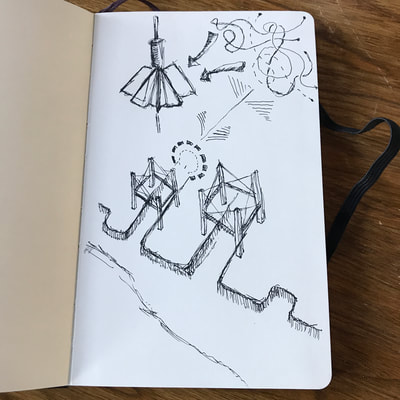
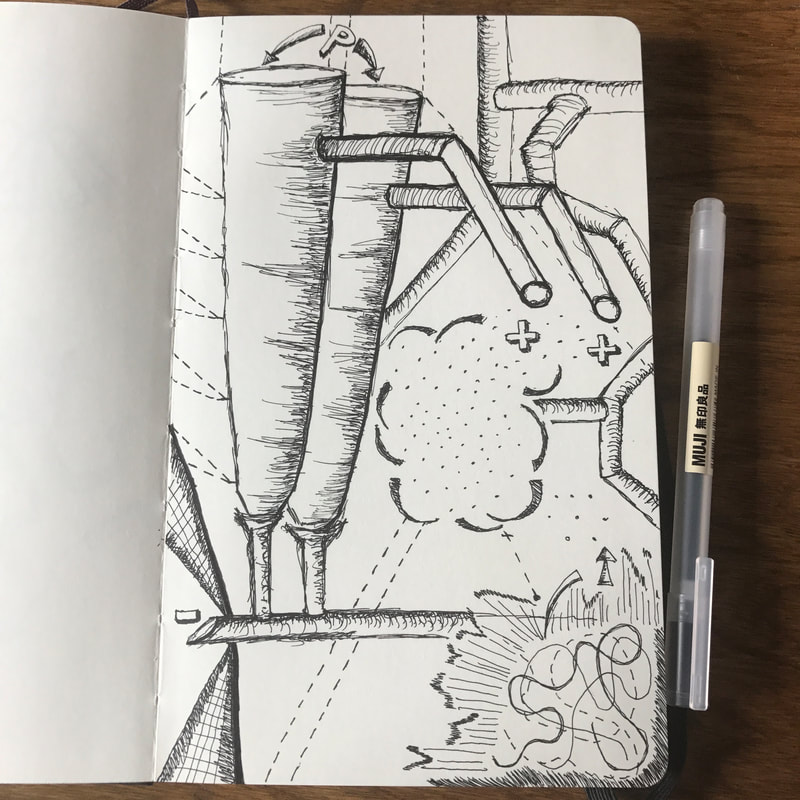
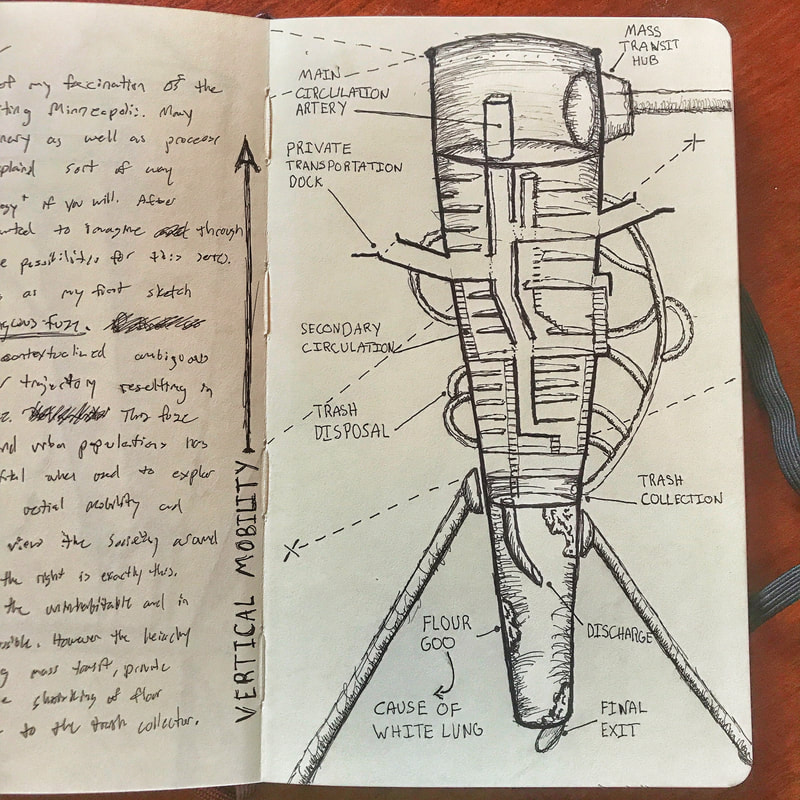
While visiting Minneapolis over the 4th of July weekend I became fascinated with the milling industry and how it shaped the city. The success of the city directly coordinates with the milling industry’s success and eventual failure within the city. The fascination with the milling industry followed me back to Omaha as I spent a week researching and sketching through my thoughts. The tiers that were evident within the milling industry and the process of the milling itself were extremely complex yet felt almost barbaric. The sketches below explain the importance of hydro power and ventilation in turn of the century mills. The sketches became a vehicle for exploration into a satire drawing that addresses the failures of modernist planning and design as well as vertical mobility and social hierarchy. It takes place within the the ventilation tubes drawn in sketch 2. Sketch 3 functions as a city with each tier having a specific purpose. The further down into the tube, near the discharge station, the tasks become more manual and grueling. The floor plates are tighter and shrink as spaces become more condense. The bottom tiers are left to handle the higher tiers discharge (Flour) as it flows through the disposal tubes causing a higher risk of disease (white lung). The higher tiered class has access to private transportation docks even though they are closer the the mass transit hub. The lower tears do not share in the luxuries and have to travel vertically toward the mass transit hub. A tasks that should not be taken lightly as the path is filled with segmented floors and partial ladder connections.
AW
7/20/2017
0.2_THE CITY OF NOTHING
“The elephant in the room here is that in the last thirty years we have lacked a theory of the city. The city has been mapped, discussed, debated, exhibited, and photographed, but not theorized. So now we finally understand why, as early as 1997, Albert Pope opened hos book with the notion that THE CONTEMPORARY CITY IS INVISIBLE. It is invisible simply because we lack a theory; we lack urban conceptions through which we can actively think the city.” – Pier Vittorio Aureli
As I have gone through my process I started basing many of my original notions off of reading by Rem Koolhaas. Over the summer that research has progressed and I am starting to put the pieces together with a few architects and urban theorists that begin to overlap on the same types of ideas that I am beginning to have with this project. These writers, Rem Koolhaas, Lars Lerup, Pier Vittorio Aureli, Albert Pope, and Michael Sorkin (to some extent) all are asking questions of the city that have gone unasked. I think their approach is very unique (it goes back to the process that I keep questioning) because they are writing about the city with an awareness of the issues that came from the moment when architecture and urban design broke away from each other. This is important because it no long makes assumptions about architecture’s place in the city. Generally they are all against this split, but others quickly assume architecture and the man made environment as the preeminent feature within the urban realm. For me, I am starting to believe that that is not the case either. While I do not know exactly why, I do believe that there is a reason that some of their most timeless writings on the city happened in the mid 90s and early 2000s. My guess is that they were beginning to understand the real consequences of postwar development and the beginning globalization had done and what it was about to do to the contemporary city. Pier Vittorio Aureli does not only say that the city is invisible, but he also says we lack urban conceptions though which we can actively think about the city (which seems like more of a severe indictment on architecture itself). In a simple way I have thought of my studies as “understanding architecture’s position within the political and economical realm”, but that is assuming that architecture exists there at all. Albert Pope’s Ladders may have significantly changed the trajectory for me. The idea of architecture and design being an engine for social, economic, political, and cultural change still exists, but right now it comes from a superficial approach because we do not have a way to actually conceptualize and understand the city. Rem’s What Ever Happened to Urbanism and The Generic City ring truer than ever. It is time to attempt to revisit these ideas 20 years later. There is a paragraph in Whatever Happened to Urbanism that still inspires me to chase these ideas.
“If there is to be a “new urbanism” it will not be based on the twin fantasies of order and omnipotence; it will be the staging of uncertainty; it will no longer be concerned with the arrangement of more or less permanent objects but with the irrigation of territories with potential; it will not longer aim for stable configurations but for the creation of enabling field that accommodates processes that refuse to be crystallized into definite form; it will no longer be about meticulous definition, the imposition of limits, but about expanding notions, denying boundaries, not about separating and identifying entities, but about discovering unnameable hybrids.”
There is a lot there, but it is one of the most optimistic outlooks on what a city can be for people. The key to it became clear when reading Ladders, because it is not saying that better architecture is the key, actually it is more aligned with Albert Pope in asking architecture to take a secondary role in the environment. To me its no longer about asking questions about “how to better revitalize a neighborhood?” or “how to masterplan the perfect mix use development?” or even the environemntal sustainability issues of the time. Those are important, do not get me wrong, but for this project right now it is really asking about what the city has become and what it could be, the rest is just details.
7/18/2017
0.3_HOW TO MAKE A PROJECT ABOUT NOTHING?
“It is not built form which characterizes the city but the immense spaces over which form has no control.”- Albert Pope
Albert Pope’s main argument in Ladders is that postwar development of the city (centripetal and closed) has caused the contemporary city to disappear. He bases his argument off of the implosion of the grid structure that lead to closed and isolated development throughout the city and into the suburbs. This is a good place to start because the grid is foundational. Delirious New York is supposed to be organized and understood as a grid when reading it and the entire book can trace itself back to understanding architecture within the grid of Manhattan. As the grid disappears, the city does too. As the mass production of space within our environment grows (freeways, malls, atrium, etc), urban activity is censured. Inhibiting cultural and social activity has created a city of nothing. Koolhaas’s “culture of congestion” and the spontaneous nature of the city begin to align with these same ideas of closed off cities.
I have begun to buy into the idea of the invisible city and control and censorship that the postwar city places on its people. I do not have the answer yet of where this goes, but I do think that it starts with the grid. It think it is time to attempt to conceptualize architecture as a more dynamic piece of our environment instead of slow and stagnant. It is time to throw away the preconceived notions of the separations of architecture and urbanism. It is time to question the process and do accept the outcome as the ultimate truth, but as piece to a larger puzzle of understanding. The canvas continues to become more and more blank when thinking about the city.
7/18/2017
A0.0_PAST RESIDENCE
This post has been long over due as imagery has been posted and circulated on our social media accounts with not content to explain their relevance or meaning. Past Residence is my summer project / class that will begin to aid and situate the beginning of my thesis this coming fall. Below is an expert from my thesis proposal submitted to the university last semester explaining the concept and direction of the course.
The way groups have migrated to and within cities has played a major role in the development of different housing types and structures. It has also led to the development of zoning and planning standards within the cities. Understanding these migration paths from the past and analyzing current migration patterns will be able to give the research context within current housing trends. Housing in the United States is filled with case studies where architects responded to current trends in society. This results in different styles and approaches to architecture each creating a different experience for the inhabitance and different interactions taking place within the communities. The research would begin to developed a set of projects to be used as case studies. The housing based case studies will be submitted to analysis based off criteria including project goals, housing type, socio economic and political factors, location within the city, and its connection to the urban fabric. In addition, these projects will be assessed on their ability to demonstrate their resilience and withstand the pressures of society and the dynamic context in which they are a part of. The goal is not to create a list of best practices that could be continuously repeated and beaten to death, nor will it be a list that paints large brush strokes of success or failure on a singular project. Instead, it will be an architectural account of how design addressed emerging trends within the context of the building and the repercussions of these formal decisions.”
The chosen format at the time was what I believed to be fairly simple and was to be kept inconstant across all the projects to allow for comparison and equal evaluation.
Format:
– Image of the project in use by residents
– Project Data (Year built, Architect, Units)
– Project description outlining social issues that effected the project
– Plan Oblique drawing of the housing project within context
– Diagram to help explain a part of the project
– Two Architectural elements highlighted broken down and explored
– Other photos/ Diagrams and my personal reflection of the project
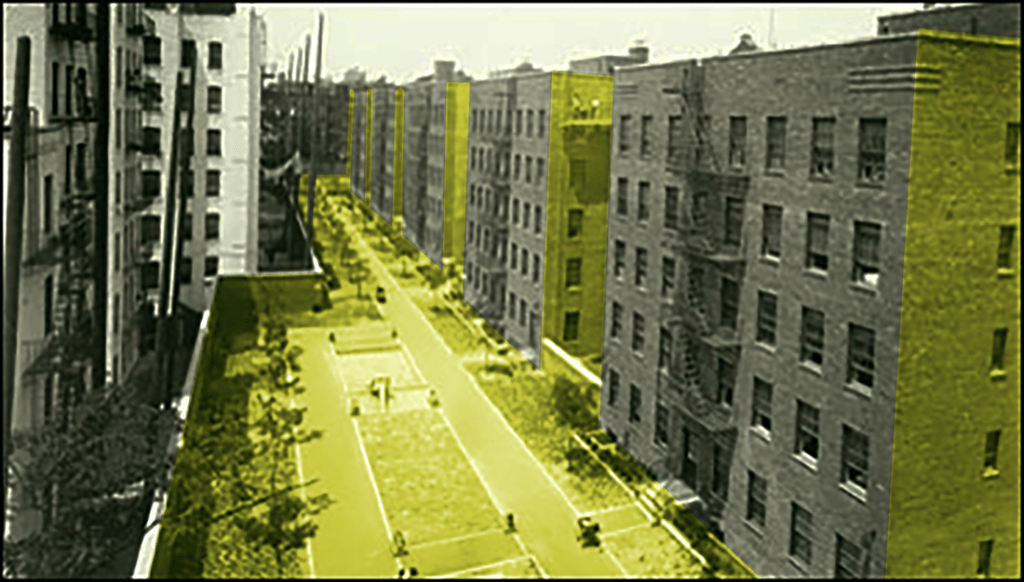
In total this summer I will be exploring 10-20 different housing project both new and old in North America. Some will be examples of success while some will be historical failures. As the research has developed and case studies identified I found a large amount of them to be social housing projects. Although this was not the intention and I have no definitive conclusion if this is a good or bad I found it an interesting aspect to bring up. Once all is said and done with Past Residence I will be sure to report back and see if this aspect has had an significance in my research or trajectory for the future. Below area a couple of the plan oblique drawing that I have completed. As the text and other imagery gets finalized I will begin to post full spreads.
AW
7/10/2017

CHRISTIAN DE PORTZAMPARC: “NO ONE BUT AN ARCHITECT CAN SOLVE THE PROBLEMS OF THE CONTEMPORARY CITY”
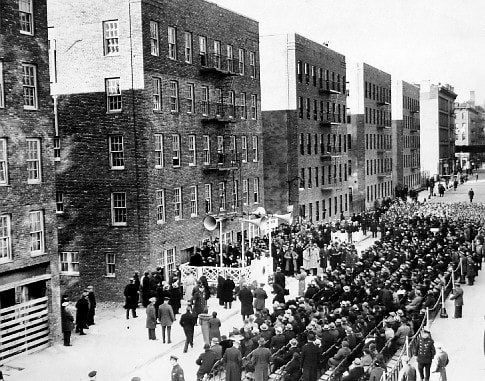
I tagged this article from Arch Daily in the entry about Omaha and its Highways, but I do think it warrants a post. In this interview he ponders a few topics that seem to be very relevant to the purpose behind this blog and the moment in time that we are in as architects/ designers. He talks about his process and ideas, but really this is insight into an approach to architecture that I think is missing in most. Defining architecture is very important to start the conversation. To me, architecture is more of a process and less of a physical thing. It is a way to think about problems and manifest solutions in the physical world (ex. buildings). Architecture can quickly become “plug and play” and that not only impacts the quality of work, but it also hollows out the “why”. Christian talked about questioning architecture in this interview..
“I thought the city of the future would be designed by sociologists and computers. Houses would be assembled in factories, people would buy what they like, and sociologists would assemble them. Why would you need architects then? It would all become like a living process, just as Archigram and the Metabolists envisioned. That’s why I was losing interest in architecture. I didn’t want to become an engineer to assemble these plug-in cities.”
And these questions lead him to futher questions about the “why”…
“I was still searching and constantly asking this question – what is architecture for? And I thought that an architect who is not asking this question is not an interesting architect. You have to understand why you do what you do and how useful it is. What is it that makes you passionate artistically or sociologically? Once you understand this, you have a chance to be understood by others”
I think it is very important to continually question architecture’s place in society, definitely when technology evolves as fast as it does. I refuse to believe that being an architect is just doing a service for a client and moving on. That may seem like the classic idealistic statement from a naive masters student, but if we can start to really rethink the process of designing a space within towns and cities architecture can start to impact again. Currently it feels like there is a desire in practice to just check boxes and move onto the next project. Architects generally are talking one talk (progressive, spontaneous, and innovative) but walking another (standardized, safe, and repetitive). This is not everyone, obviously, but there seems to be an accepted process which might be out of the architect’s control that has taken over. I think this blog and research will continue to ask that why and how to use architecture and design differently within the future context of the city.
“And I never stopped perceiving space as an artistic medium. I understood that no one else but an architect could solve the problems of the contemporary city.”
Lastly Christian talks about the power of architecture within the contemporary city. I want to be clear, its not an ego that makes me believe this, it is our education and skill set. Somewhere during the past couple decades urban design and architecture split and for some reason struggle to be talked about in the same realm now. A building can be constrained by a site, but no project’s potential impact on the city and its people should ever feel constraint.
Alex Moore
Belogolovsky, Vladimir. 2017. Christian de Portzamparc: “No One But an Architect Can Solve the Problems of the Contemporary City”. July 7. Accessed July 8, 2017. http://www.archdaily.com/875329/christian-de-portzamparc-no-one-but-an-architect-can-solve-the-problems-of-the-contemporary-city.
7/8/2017
OMAHA AND ITS HIGHWAYS
I came across this recent video from Vox about the highway system and its history within our cities. It quickly reminded me of a project that I did last fall about recognizing some of these patterns of inequality within Omaha, Nebraska. For that project I overlaid a 1937 redline map of Omaha with today’s demographic information to show that 80 years later those lines that were drawn still have a real effect on mobility and demographics in the city. This gets more interesting when you then overlay the highways that were built in the 50s, 60s, and 70s in Omaha, and you get a clear picture of how isolated some of these areas of Omaha became. This is highlighting a specific issue, but it is also a broader call to continue to reevaluate how issues are processed and solved within cities.
Before I go further, I want to recognize that the history of redlining has racial and political roots that are major issues. Redlining was used to deem neighborhoods poor and blighted and it was used by banks to refuse loans and home ownership opportunities. This allowed for racial and economic minorities to be taken advantage of and isolated. It is clear by this map that those patterns of isolation are still prevalent and have an impact on social and economic issues within cities. While you cannot discuss these issues without understanding the history behind it, I really want this to be about exploring the future of how we reconnect cities. It is very easy to overwhelm a discussion like this one with negative history and social issues that it has created. I think current planning discourse struggles to disconnect from these aspects of the conversation and look forward to solution based conversations. This is where I believe that architecture’s empathy and process is better prepared to handle the new and future urban issues.
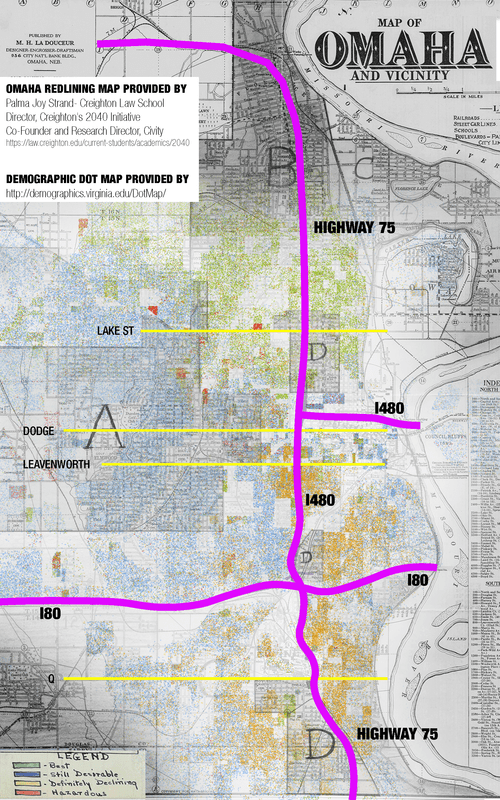
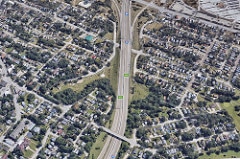

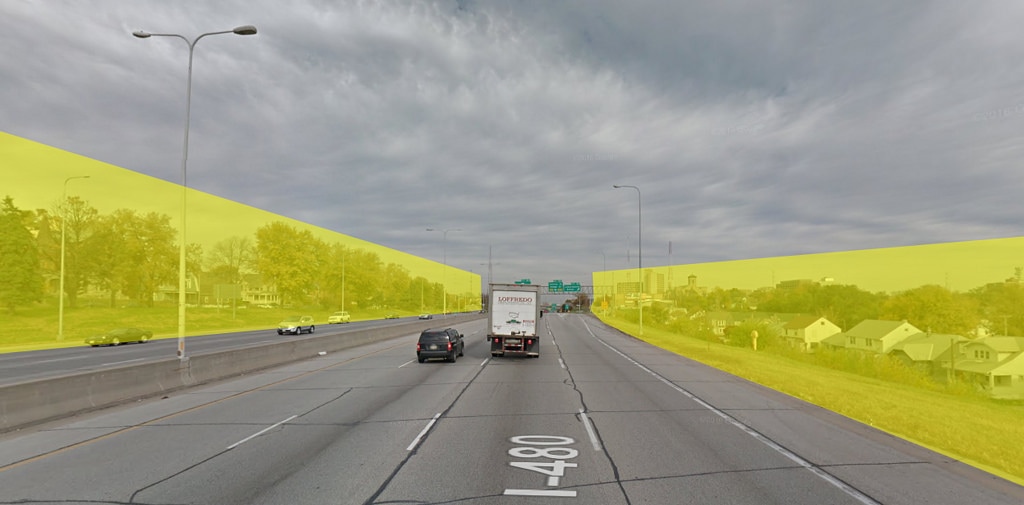

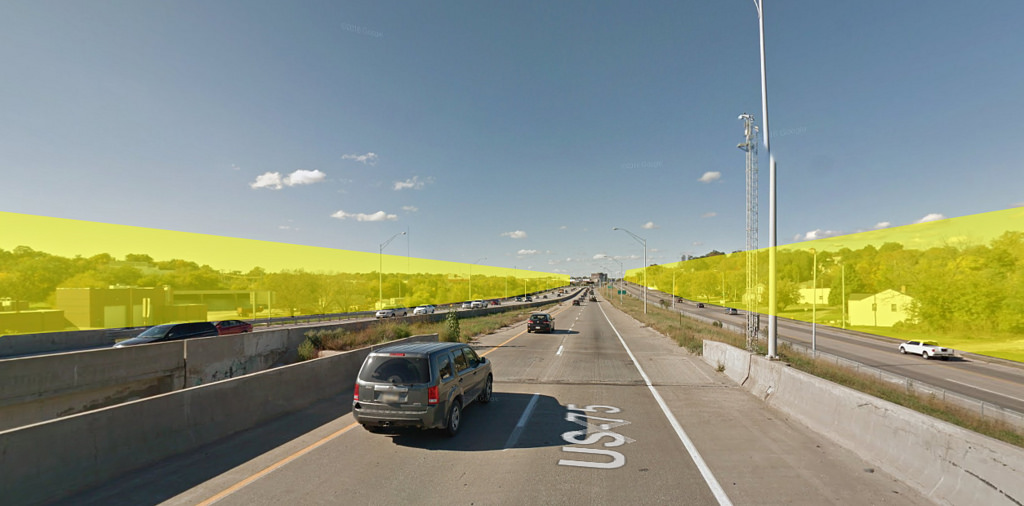

Something that has become clear to me throughout my studies is that Omaha is not this humble Midwest city, rather it has been shaped by the same social, economic, racial, and historical issues of all major US cities. The interstates and highways are one of the more visible within the city. Its westward sprawl would not have been possible without the dominance of Interstate 80, which runs right down the center of the city on an east west axis. Like most cities, Omaha is very spatially categorized into North, South, and West, and all of those carry strong stereotypes and connotations (mostly negative and misunderstood within the public). These lines are reflected as clear within the major highways that cut up the city. While working on my project in the fall I drove around south Omaha neighborhoods with Ed Leahy, Director of Omaha EITC Coalition, and it is impossible not to feel the disconnect that Highway 75 creates within the area. The description of “food desert” and lack of transportation continually came up. Access is a key for mobility for these areas and these highways cut off access and turn community into isolation. South 24th Street is lively and vibrant district within Omaha, but its tightly constrained by Highway 75 on the west which makes it a community asset for very few compared to what it could be. Neighborhoods like South Side Terrace and Indian Hills have no walking or biking access to those amenities, and the through roads that do connect are 4+ lane roads that make it even hard to maneuver if you do not have a car.
Many cities are grappling with hows to reconnect these neighborhoods that were divided by highways. Los Angles with Park 101 (http://www.park101.org/) and Dallas with Klyde Warren Park (https://www.klydewarrenpark.org/) are just a couple of examples. These are massive infrastructural undertakings by these cities. I think it is important to explore all scales of reconnection. A policy change is not going to solve the physical boundaries of this issue. There is at times a grey area where design can intervene in cities, but being creative on how to reconnect neighborhoods is one of the clearest examples of where design can create a better city. Design can be forward thinking and not reactionary. It does not have to be constrained by the negative aspects of the past. The issue is clear and it does not have to continue that way. To rethink our cities will first take a rethinking of the process with which we problem solve within them. Whether Omaha or New York, it is time to allow design more freedom to attempt to improve the situation within our cities.
Christian de Portzamparc: “No One But an Architect Can Solve the Problems of the Contemporary City”
I want to thank and cite a few people for the map and the resources.
–Palma Joy Strand– Creighton Law School
Director, Creighton’s 2040 Initiative
Co-Founder and Research Director, Civity
– Edward W Leahy
Director, Omaha EITC Coalition
Dot Map
http://demographics.coopercenter.org/racial-dot-map/
University of Virginia- Demographics Research Group
-Alex M
6/29/2017
0.0_A PROACTIVE MANIFESTO
Thesis year in architecture school carries a lot of weight in my mind. It is the culmination of the five previous years of architecture education, and the spring board to what everyone hopes is a successful career. I think it is important to state here that one of the main reasons for Studio Ambiguous is so that these thesis ideas do not just make us ask hard questions for the next year, but that those ideas and questions can continue to permeate and impact our ideas about architecture and the city throughout our careers. I have started initial research and documentation, but the real fun will begin on the first day of fall semester in August. As I look at the proposal I wrote back in April to claim my intention to do thesis, I feel like I should document how I got to that point in April and what I am thinking now in the middle of June. I think it is important to be explicitly clear on what I am thing about now because things will change and evolve throughout this process and in order to make sense of the result, I must understand its inception.
This is my chance to be proactive. I have a clear mind right now and the long nights of a school year are not weighing on me yet. Over the next few days I am going to write, in four parts, how I got to my proposal and some of the inspiration behind my initial ideas. In this series of four blogs, it will mainly focus on three different writings from Rem Koolhaas. Koolhaas was not the only thing that has influenced my thoughts about architecture and the city, but his writings really made sense to me as a place to start when building a foundation for this thesis. My plan is to continue to document the readings and research that I have done and will do on this blog, but understand that once I really started to dive deeper in to the writings of Koolhaas, a light bulb seemed to go off. I went from spinning my wheels trying to come up with basic thesis idea, to an initial level of clarity. He seemed to be viewing the city and trying to understand it in ways that I was beginning to, especially with his tongue-and-cheek approach at times. I think it is also important to know that these writings are 20 and 40 years old. I believe they have transcended time in some ways, but I also believe that throughout this process I can begin to reapply what they mean to the present and the future as that changes more rapidly by the minute.
This idea of “city” is my blank canvas now. I will now freely take the liberty to interrupt the past, experience it in the present, and speculate on its future. “City” is a place of inspiration, interaction, and diversity, and in my opinion, the single greatest human invention. Currently, I am not really comfortable with the idea of architecture and the city, but this is my starting line, not just for this project but for a career of questions…call it a proactive manifesto.
-Alex Moore
6/13/2017
THE CONCEPT OF DESCRIBING HOME
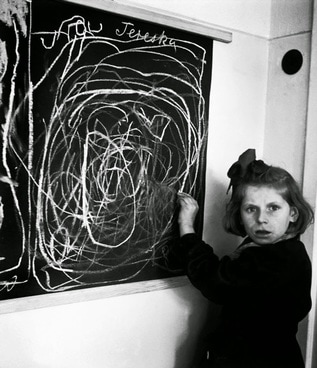
This photograph of a young polish girl was taken by David Seymour in 1948 at a home for emotionally disturbed children outside of Warsaw Poland. Little is know about the the girl besides her name Tereszka (pictured at the top) and the fact that she grew up in a concentration camp. The resulting image is from when she was asked to describe “home”.
I first came across this photo when I was reading a review on the War/Photography Exhibit at the Brooklyn Museum in 2015. Then again while reading “Resilience Pamphlet Architecture 32“.
Mark Dorian uses this image as a launching point for the beginning section of “Resilience”.
The image drawn by Tereszka is open for interpretation because such little is actually known. Literal interpretations that have come to mind is that she is describing the barbwire around the perimeter of the concentration camp, which given her apparent age could be the only home she has ever known. Or do the lines posses means of circulation contained to the allotted rectangular space she was given on the black board just like she would have been contented inside a rectangle shaped concentration camp. Could this be a map tracking her knowledge of the camp. A more theoretical speculation could look at Tereszka as the chalk being worn down to almost nothing as the stress of her upbringing most likely had on her and the black board being the backdrop to the education gap that she is currently in because of the travesties of war.
The concept of home is something that I have always been interested in. It is a complex issue that is rooted in almost every facet of our lives making it not just an architectural issue. The social complexity that goes into describing “home” is even more fascinating. When asked to describe “What is home?” some will say 3 car garage and a finished basement, others will say their current apartment for as long as the lease entails, others may live in one city yet describe home as another city, state, or country, then others may describe family and people in their lives that make the dwelling home to them. The answers will go on forever. There answers will mostly be based on their upbringing or what they deem to be valuable to their over all lives. This question is not a judge of character it is an open question that will change over time as different factors such as college, work, love, children, etc. begin to play into ones life. For Tereszka growing up all she knew was destruction and chaos perhaps that is the driving reason behind the creation of the lines and shapes on the black board.
Tereszka will continue to return as I dig deeper in to my these Past/In/On Residence in the coming year.
AW
6/13/2017
THE COLLISION OF ENTITIES AND EXPLORING THE FRINGE CONDITION
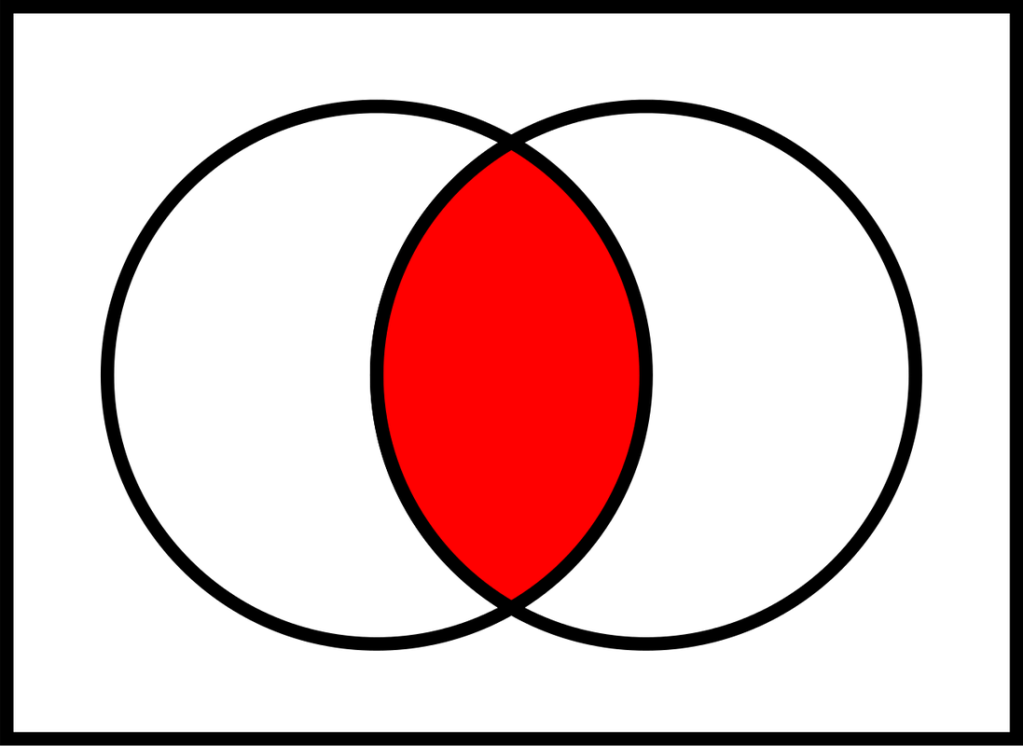
The collision of entities is something we hope to explore. As a starting point I want begin to contextualize this concept. When two entities, for example Architecture and Urban design or Architecture and Living, collide an over lap occurs creating similarities. When the similarities begin to get realized in a “built” sense the output creates many ideas such as cross programming more commonly know as “Mix Use”.
Within a ven diagram we can plug in “Knowns” in both entities circles with the similarities located in the red overlapping area.
These “knows” are things that have been tested and mass produced through catchy phrases such as “Place Making” “10 by 10” “Mixed Use” “Live, Work, Play”. There is a place in the profession for this type of work and it is respectable and can be important to communities if implemented properly. I want to make this clear that I am not trying to demean any of this work, dissuasions of these “knows” successes and failures are for another day and another post. However this studio will be focusing on and exploring the fringe condition at the intersection of the entities.
This will be accomplished through the creation of narratives that begin to set the frame work for speculative design. Although most the work will be based in Omaha certain formalities and constraints can and will begin to dissolve as we explore the fringe condition of entities. The hope is that by doing this we are able to free our selves from everyday constraints and produce provoking concepts that make the viewer question societies norms and deeper more meaningful conversations.
AW
6/6/2017
AMBIGUOUS THOUGHTS AND “THE NEW URBAN CRISIS”
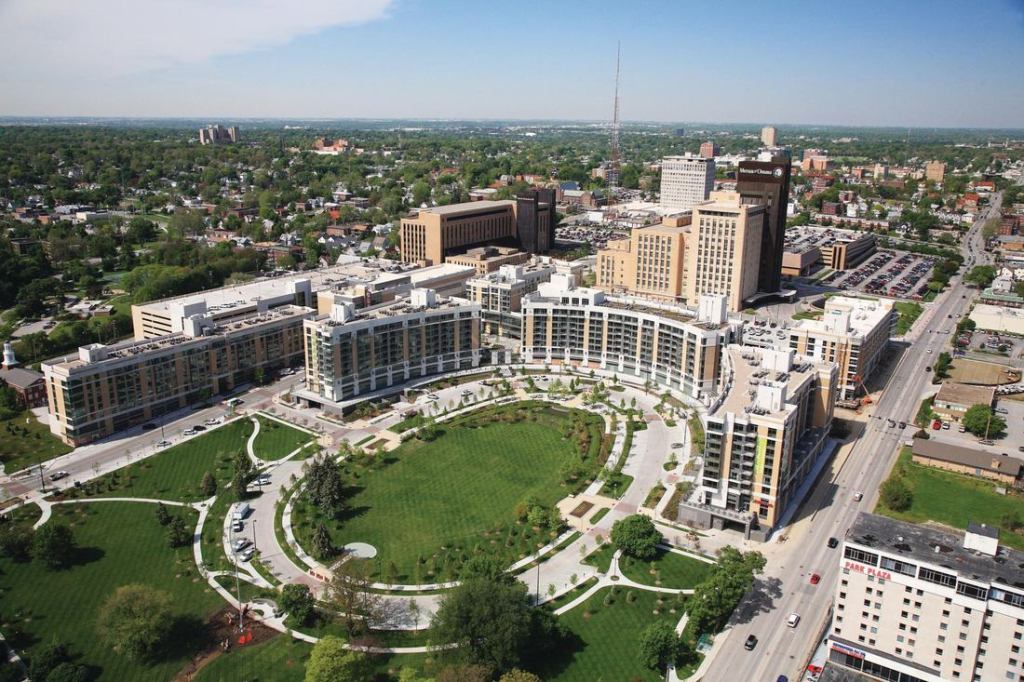
The New Urban Crisis is the latest book by professor and urbanist, Richard Florida. I think it is safe to say that this was one of the clearest representations of the current situation when it comes to contemporary urban issues in the United States and the world. It redefines what gentrification really means according to the data, better ways to understand the wealth gap, deepening suburban poverty, and many more contemporary issues that make up the New Urban Crisis.
As much as anything, for us and this blog, it really makes clear that architecture and design as a potential solution is no where within these conversations about urban issues. I do not think architecture is ignored in the book, but it seems to be overlooked as a solution because of its contradictory effects when it comes to New Urban Crisis. Urban revitalization and Florida’s ideas of “winner take all urbanism” show that the success of the creative class leads to great success for the city, but also goes a long way in deepening the crisis within the city.
It does not get more ambiguous than contemplating architecture’s true role with the city of the future. Its current state of commodification has made it become a forgotten tool for change. It is not just Florida’s book, but other research is much more social and economic policy based when trying to offer solutions. it is time to speculate about architecture and urban design’s ability to be a greater tool for change within cities compared to bureaucratic and ideal based solutions.
Architects and planners can no longer just rely on “mix use” as a catch all for design that pretends to bring people together and develop denser neighborhoods. We have to ask questions about how to break down the notion of permanence in architecture and begin to understand types that are more responsive to its surroundings. Thinking about architecture and urban design as a problem solver for local neighborhoods instead of relying on broad sweeping policy, as well as making design that responds better to the city are the ambiguous questions that I intend to pursue and hopefully begin to reconcile.
AM
Florida, Richard. The New Urban Crisis. New York: Basic Books, 2017.
6/6/2017
THE BEGINNING OF STUDIO AMBIGUOUS
This studio has been many years in the making. Originally fostered out of a conversation at one of the many bars frequented after studio. where this question was asked “What do you want to do with architecture?”
Although this question has yet to be answered the hope for this blog is to create a platform to ask questions and challenge the world that is built around us. We are still currently unpacking the term “ambiguous” and how it can be applied to a city, professional practice, to ourselves, and our work.
5/24/2017
 studio ambiguous